The Way of St. James Explained
A long-established pilgrimage shaped by walking toward Santiago, linking regions and landscapes through centuries of shared routes, symbols, and tradition.

Jon
Published March 25, 2026
Edited April 17, 2026
6 min read

Interesting Facts About The Way of St. James
The Way of St. James is a network of pilgrimage routes, not a single continuous path.
Camino routes developed as pilgrims walked from their place of origin toward Santiago de Compostela.
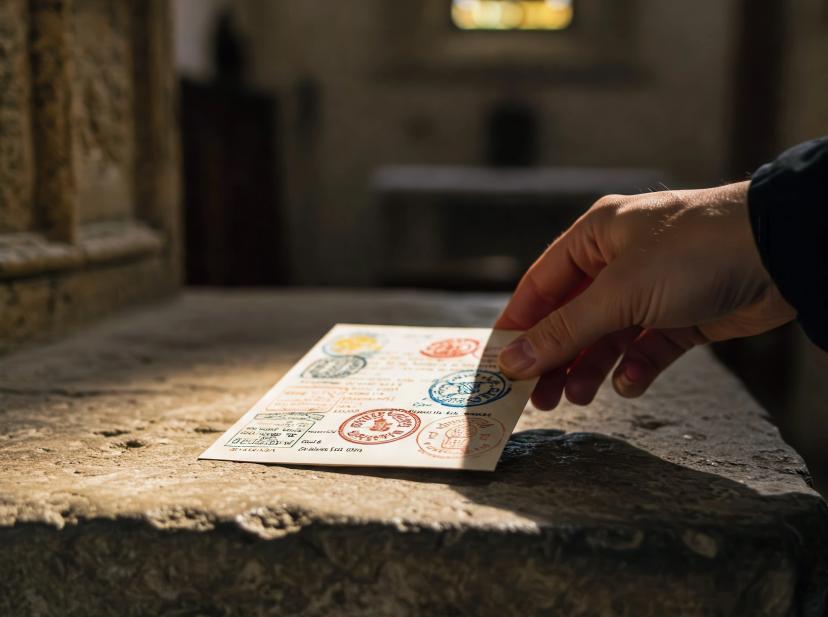
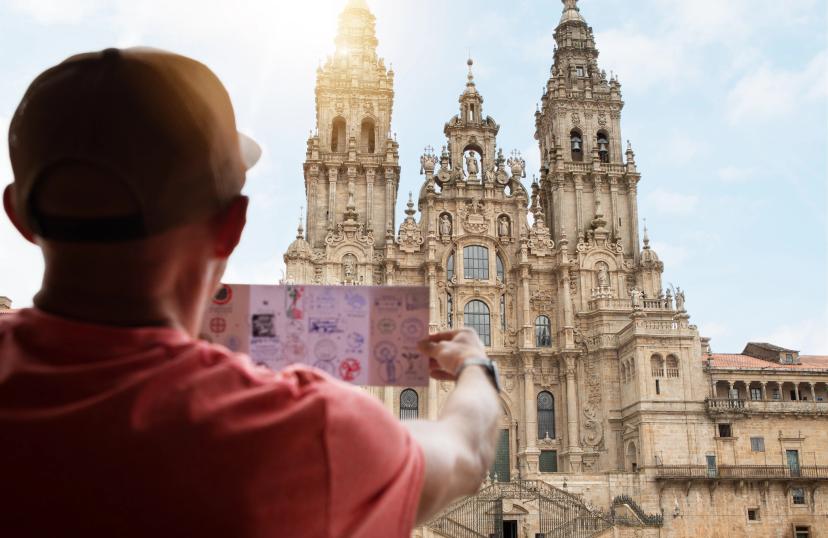
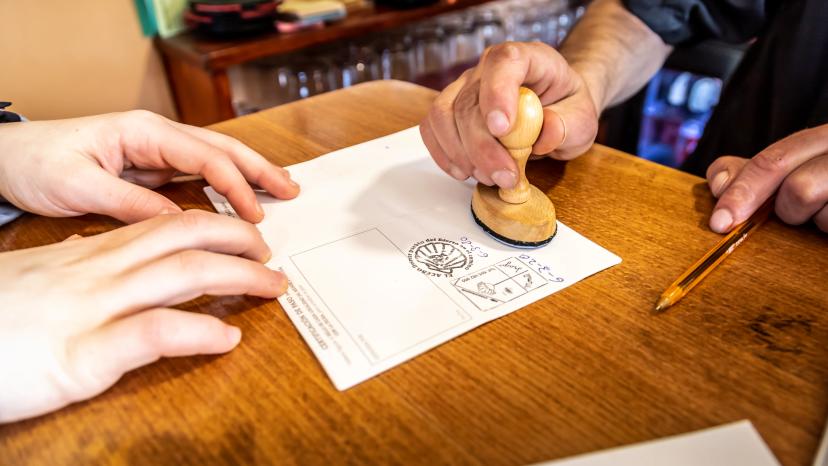
Walking at least the final 100 km on foot is required to receive the Compostela today.
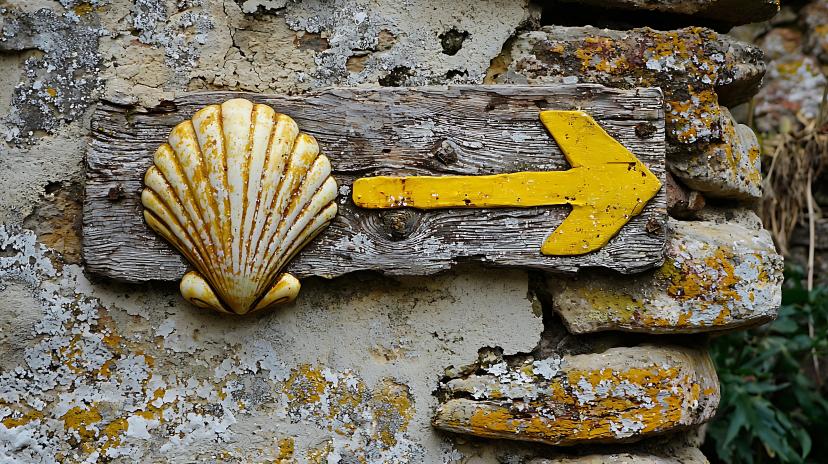
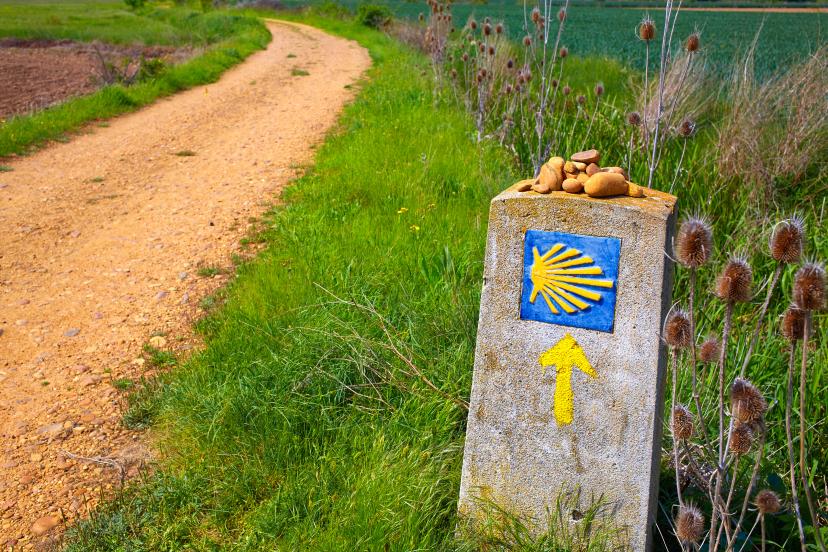
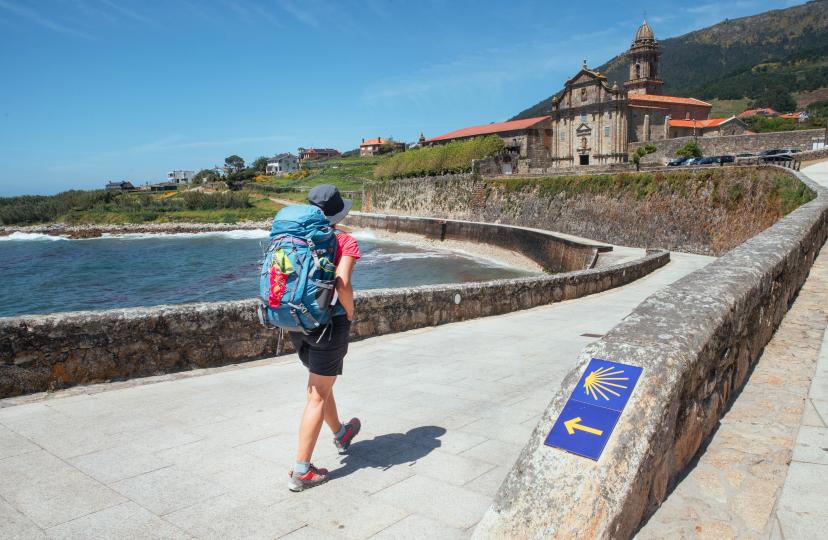
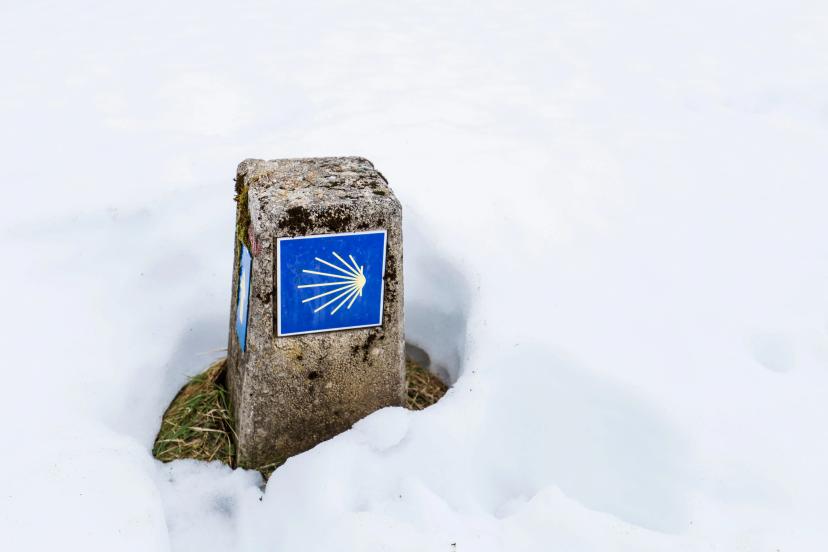
Yellow arrows and scallop shell symbols mark routes across all regions and countries.
Despite varied landscapes and distances, all routes share the same destination and core traditions.
Ideal for: Walkers seeking a structured pilgrimage with historical continuity, varied route options, and established infrastructure
The Story of Saint James
Saint James the Greater was one of the twelve apostles of Jesus Christ and the brother of John the Evangelist. According to the New Testament, he was among Jesus’s closest disciples and is traditionally believed to have been martyred in Jerusalem around 44 AD.
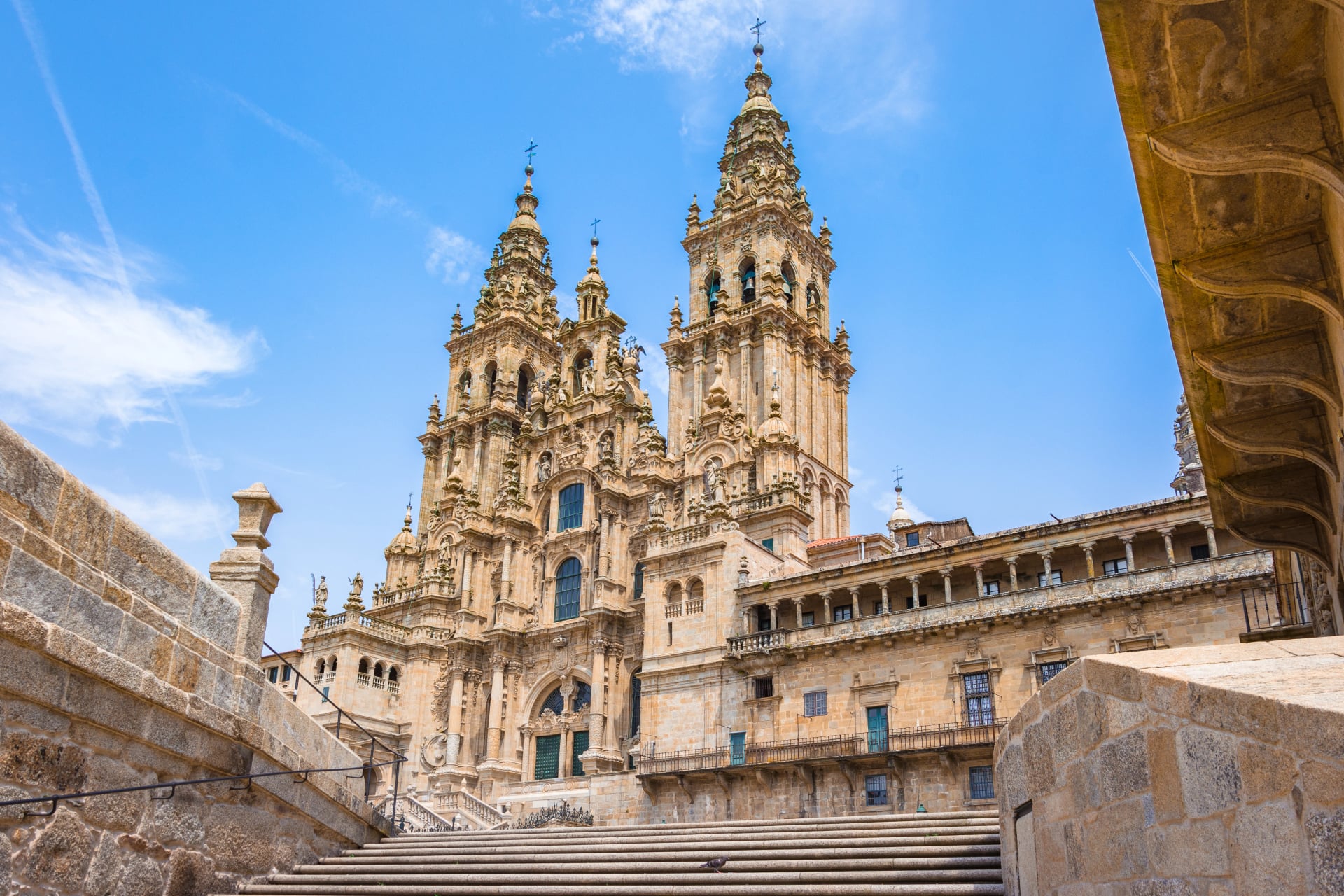
Christian tradition holds that after his death, Saint James’s remains were transported to the northwest of the Iberian Peninsula, where they were buried. In the early 9th century, a tomb believed to be his was discovered near present-day Santiago de Compostela, giving rise to one of the most important pilgrimage destinations in medieval Europe.
Saint James became the patron saint of Spain, and pilgrimage to his shrine developed steadily throughout the Middle Ages. His association with the route is central to the identity of the Way of St. James, which takes its name directly from this tradition.
By the 12th century, pilgrimage to Santiago de Compostela had become one of the three principal Christian pilgrimages, alongside Rome and Jerusalem.

Pilgrimage Recognition
The Way of St. James has long been recognized as one of Europe’s most important pilgrimage traditions. During the Middle Ages, it ranked alongside Rome and Jerusalem as a principal destination for Christian pilgrims.
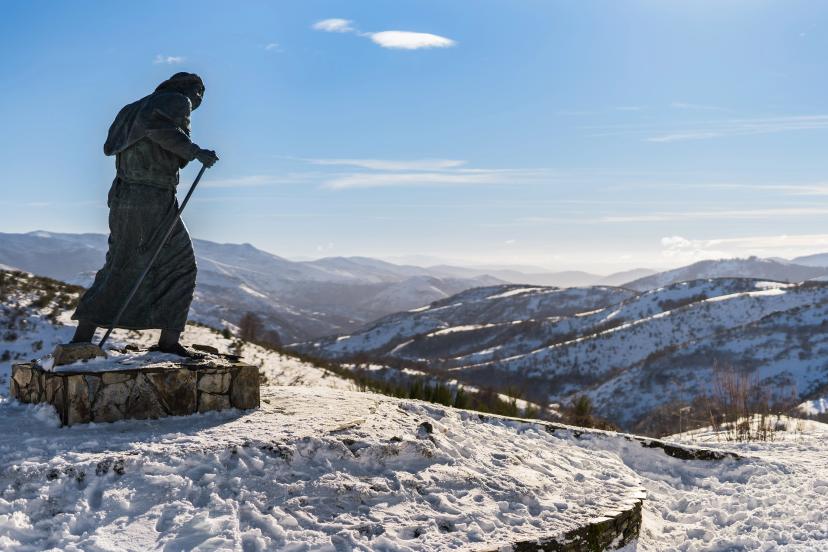
Eight centuries ago, pilgrims traveled largely on foot from their place of origin, often for months at a time. They followed Roman roads, rural tracks, and monastery networks, relying on religious institutions and local communities for shelter and food. Walking the Camino was physically demanding and uncertain, shaped by weather, health, and the safety of the roads, but it was also deeply embedded in everyday medieval life.
Over time, these informal paths became established routes, supported by bridges, hospitals, and towns built specifically to serve pilgrims. Today, while walking conditions are far more accessible, the underlying structure remains the same: long-distance routes, shared symbols, and a continuous flow of people moving toward Santiago de Compostela.
The routes and the Cathedral of Santiago de Compostela are now protected as UNESCO World Heritage Sites, reflecting their historical, cultural, and architectural significance.
A Network of Routes
Routes of the Way of St. James extend across large parts of Western Europe, with the highest concentration found in Spain and Portugal.
The Way of St. James is not a single path but a network of pilgrimage routes that developed across Europe over centuries. Historically, pilgrims began walking from their place of origin, which led to the formation of multiple established routes converging on Santiago de Compostela.
Today, the best-known routes run through Spain, Portugal and France, though historic paths also extend into other parts of Europe. Each route differs in length, landscape, and walking conditions, but all share common waymarking, infrastructure, and the same final destination.
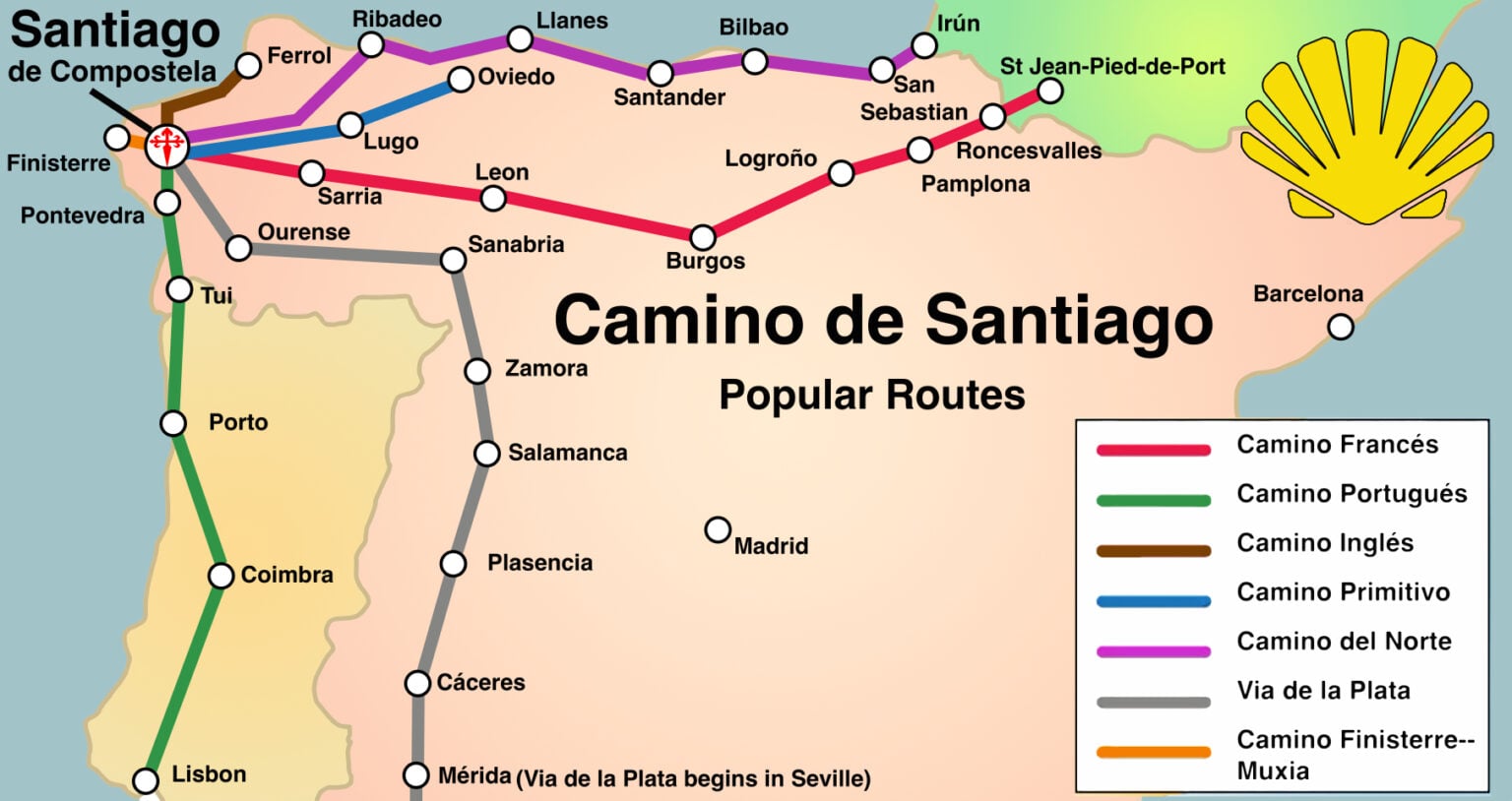
This network structure allows walkers to choose a route that fits their available time, fitness level, and seasonal conditions, while remaining part of the same continuous pilgrimage tradition.
The Main Routes of the Way of St. James
Rather than following a single fixed path, the Way of St. James is made up of several established routes that developed over time as pilgrims walked toward Santiago de Compostela from different regions of Europe.
Camino Francés – The most traveled route, crossing northern Spain from the French border
Camino Portugués – Routes from Portugal, most commonly from Lisbon or Porto
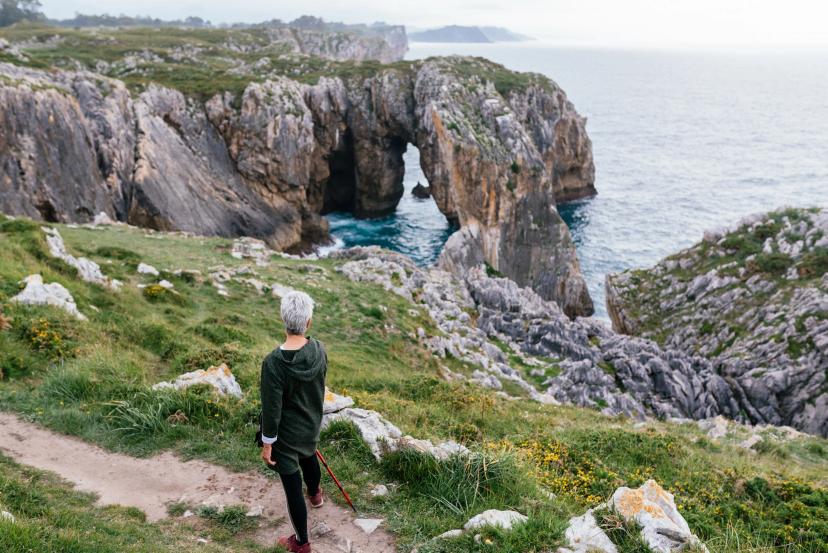
Camino del Norte – A coastal route following Spain’s northern shoreline
Camino Primitivo – An inland mountain route considered the oldest recorded Camino
Vía de la Plata – A long south–north route from Seville through western Spain
Camino Inglés – A shorter route historically used by pilgrims arriving by sea to northern Spain
Together, these routes form a connected pilgrimage network, allowing walkers to choose a path based on distance, landscape, and level of challenge while sharing the same destination and traditions.
Essentials Along The Way
Along all major routes of the Way of St. James, a shared set of services and traditions shapes the daily walking experience. These elements remain consistent across regions, even as landscapes and route conditions change.
Together, these features create a well-defined framework that supports both long-distance walkers and those completing shorter sections, helping maintain continuity across the wider pilgrimage network.
Navigation
Navigation on the Way of St. James is generally straightforward. All major routes are marked with yellow arrows and scallop shell symbols, guiding pilgrims through towns, rural paths, and road sections.
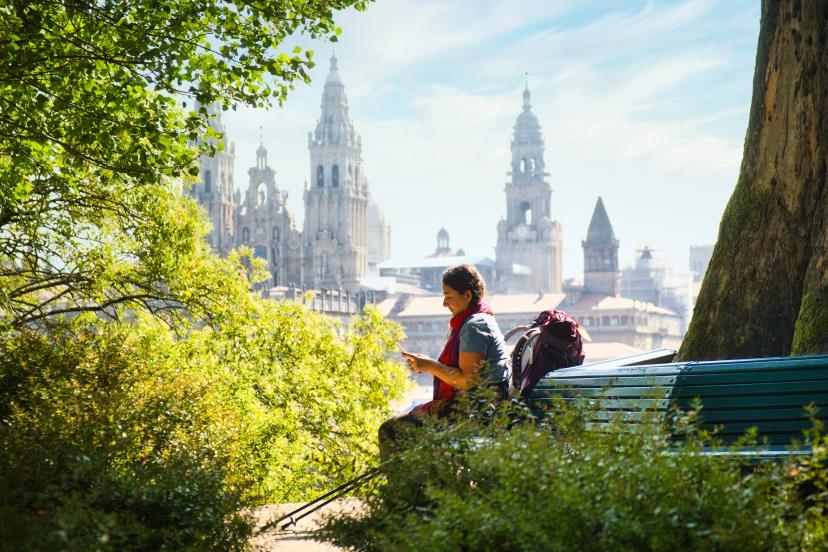
In addition to physical waymarking, many walkers use a Camino map or digital mapping tools to plan stages and track progress. Printed guides and offline maps are commonly used, especially on longer or less populated routes, where services and accommodation may be spaced farther apart.

Walking the Way Today
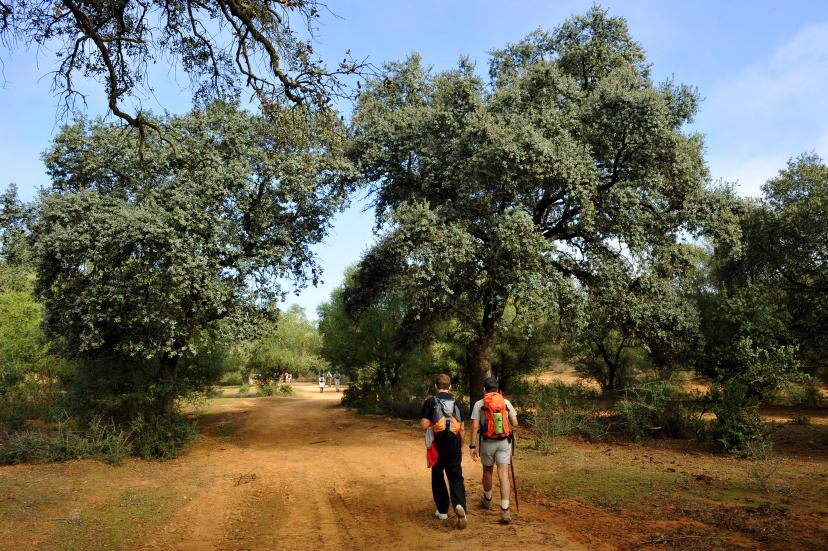
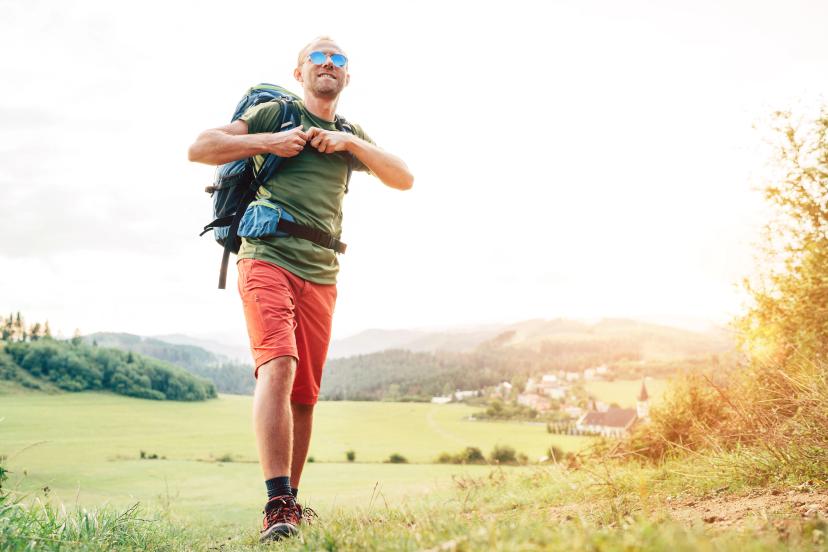
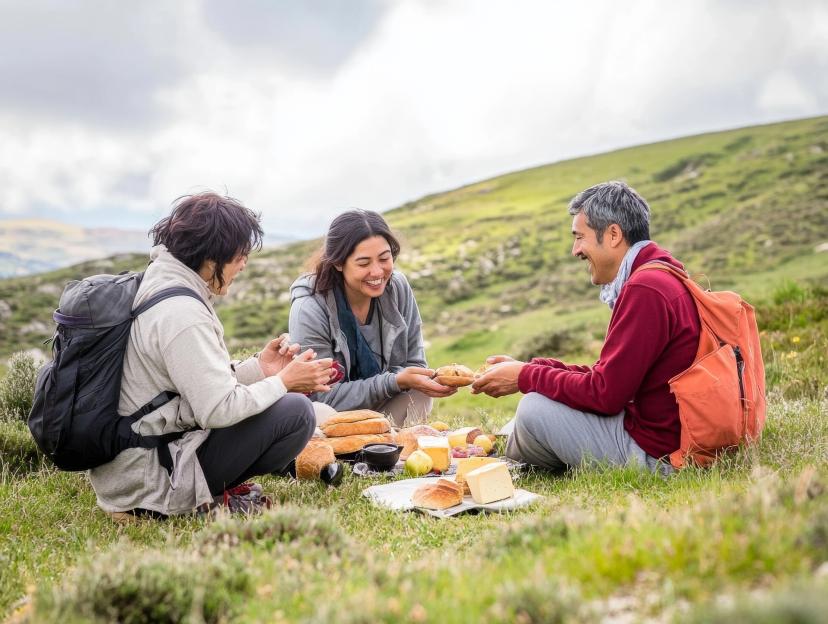
Today, the Way of St. James is walked for religious, cultural, and personal reasons. Some pilgrims complete an entire route over several weeks, while others focus on shorter sections, most commonly the final 100 km leading into Santiago de Compostela.
Across the main routes, walking is supported by established infrastructure, with pilgrim accommodation, cafés, and basic services available daily on the most traveled paths.
Conditions vary by route and season, but the Way of St. James remains a structured and accessible pilgrimage. Its flexibility allows walkers to choose distances and pacing that suit their time, experience, and goals.
The Way of St. James can be walked in many forms, from full-length routes to shorter, clearly defined sections. You can explore our Camino Guide for practical tips or get in touch if you’d like help shaping a walk that fits your plans.

About this author
Jon is our travel advisor and an outdoor adventurer who is happiest on the move. While mountain biking is his personal passion, he thrives on crafting hiking adventures for others — planning routes and adding the little touches that turn a trip into a core memory.