Walking Camino de Santiago as a Senior
A complete guide to walking the Camino as a senior: route selection, difficulty and terrain, daily pacing, and recovery tips for a smoother Santiago finish.
Anja
Published January 22, 2026
Edited February 16, 2026
17 min read
Don't want to read all this?
We've planned 2,000+ hiking trips. Send your dates, fitness and group size — we'll map the route and book every night.



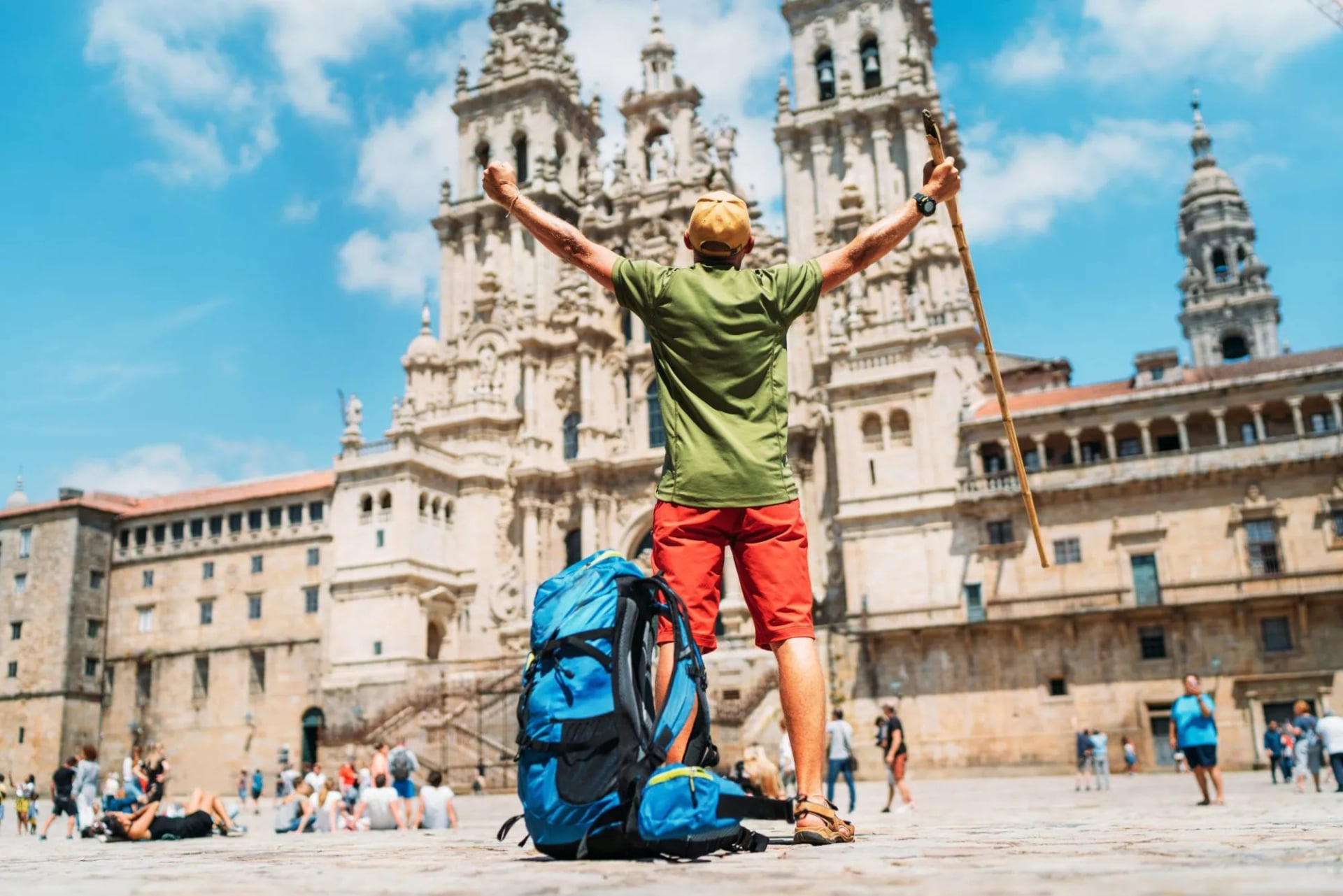
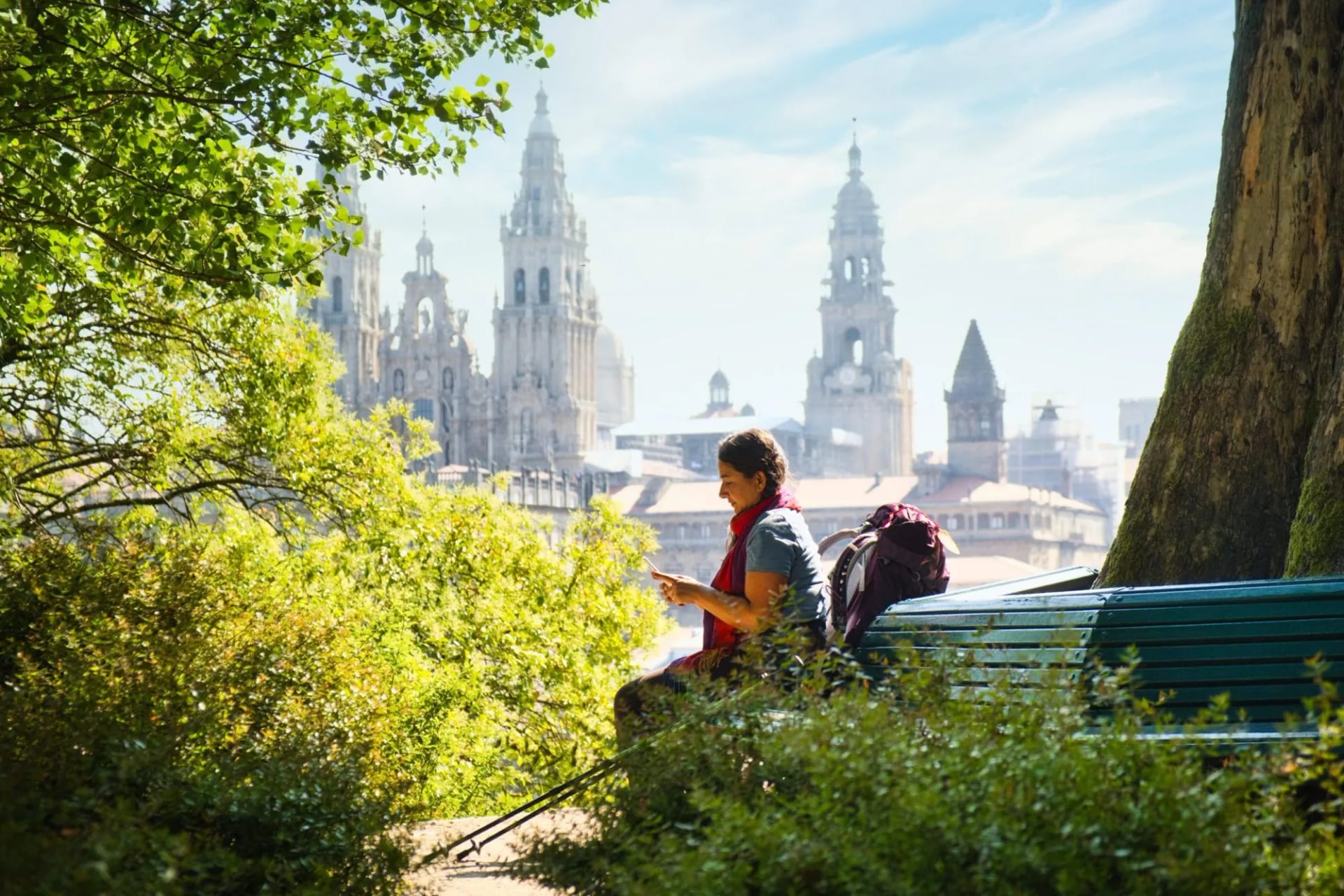
Age brings wisdom, time, and the freedom to pursue dreams long postponed. The Camino de Santiago welcomes pilgrims of all ages, and the numbers tell an inspiring story. Did you know that nearly 2 out of every 10 pilgrims who complete the journey are over 60 years old? That's more than 28,000 senior pilgrims annually. Perhaps most remarkably, the oldest recorded pilgrim was 93 years old when she walked to Santiago alongside her 60-year-old daughter—proof that the Camino truly knows no age limit.
Many seniors discover that their later years offer the perfect time for this ancient pilgrimage. With retirement comes the gift of time without deadline pressures, accumulated life experience that enriches the spiritual journey, and often better physical health than previous generations enjoyed at the same age. The question isn't whether you're old enough—it's whether you're ready for the adventure.
Thriving on the Camino
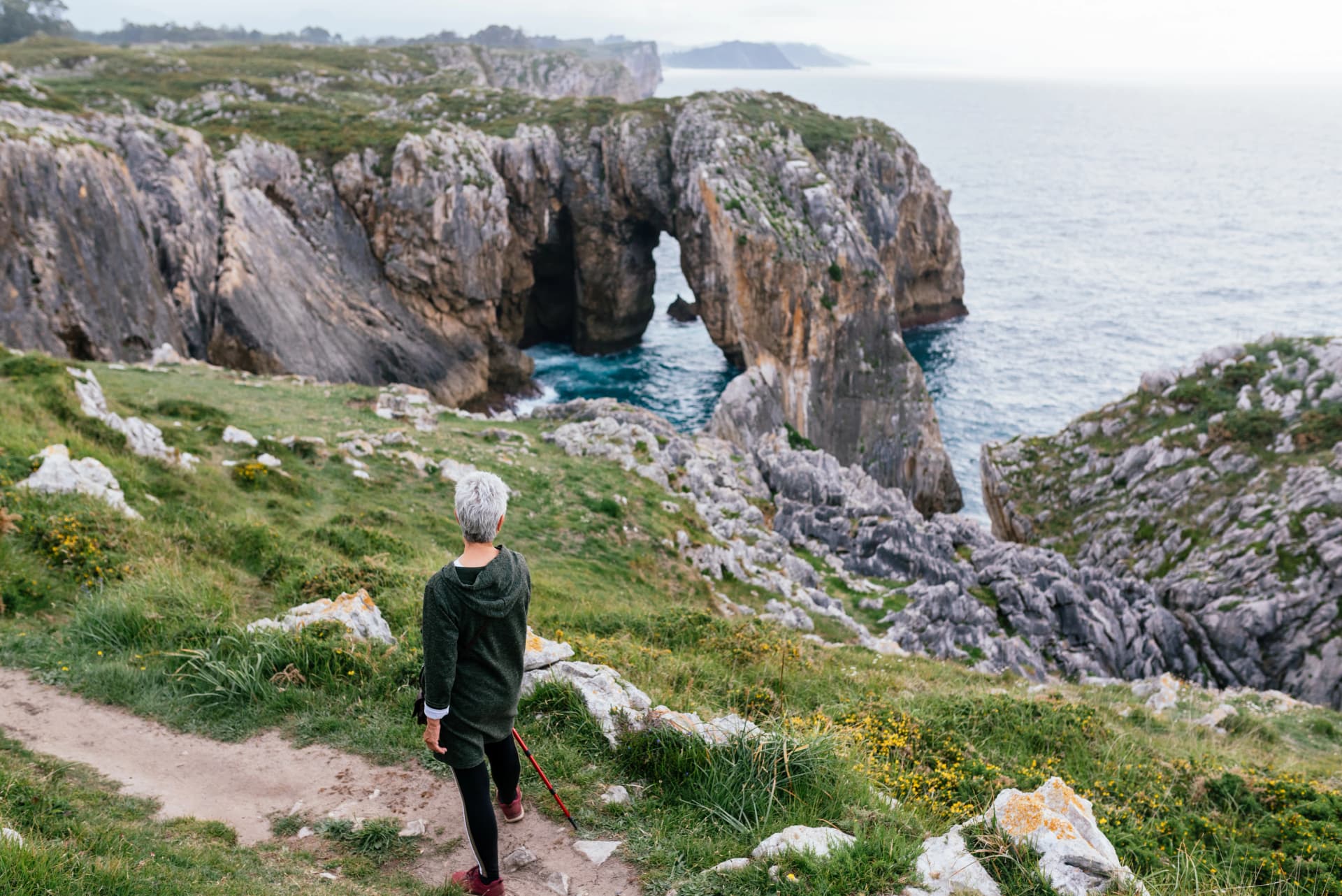
Seniors often bring unique advantages to the Camino that younger pilgrims haven't yet developed. Life experience transforms the journey from simple hiking into profound reflection. Decades of relationships, career challenges, and personal growth provide rich material for contemplation along the trail. Many older pilgrims report that the physical rhythm of walking creates space for processing life's chapters in ways that sedentary retirement never could.
Physical health improves through low-impact movement spread across weeks rather than compressed into intense exercise sessions. Walking 12-18 kilometers daily at your own pace strengthens cardiovascular health without the joint stress of running or high-impact activities. The gradual nature of multi-day walking allows your body to adapt progressively, often leaving pilgrims feeling stronger at journey's end than at the beginning.
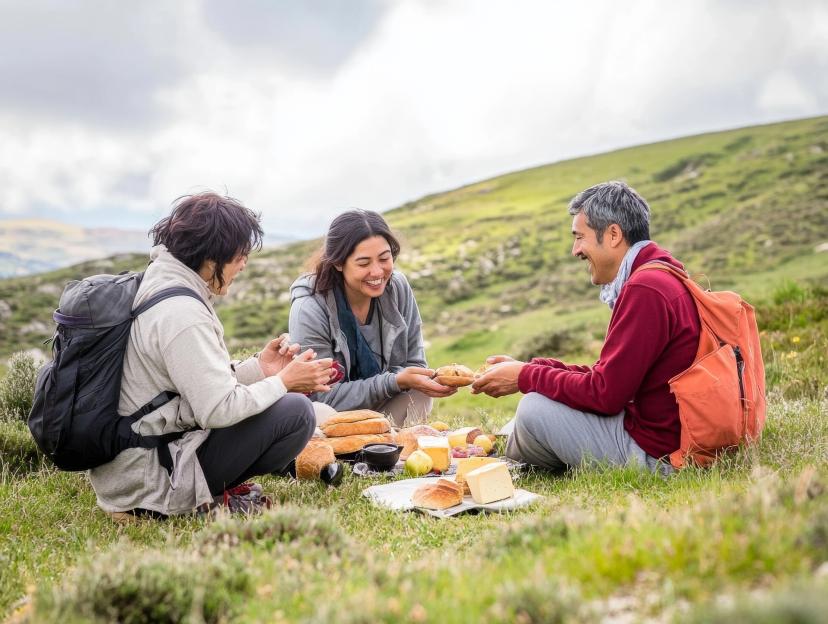
The Camino community itself welcomes all ages with remarkable openness. Unlike age-segregated social structures common in daily life, the trail mixes generations naturally. Morning conversations might include a retired teacher from Australia, a gap-year student from Germany, and a mid-career professional from Japan—all united by the shared rhythm of walking. Seniors frequently report feeling energized by intergenerational connections rarely available in conventional retirement activities.
What makes the Camino uniquely welcoming for senior pilgrims:
Flexible pacing: Walk 10km or 25km daily—no pressure to match others' speeds or distances
Infrastructure designed for pilgrims: Albergues, hotels, luggage transfers, and services cater specifically to walking needs regardless of age
Judgment-free environment: Fellow pilgrims celebrate your presence rather than questioning your capability
Medical support readily available: Pharmacies in every town, English-speaking doctors familiar with pilgrim issues, comprehensive travel insurance acceptance
Social connection on your terms: Easy to find companionship when desired, equally easy to walk alone when needed
Rest days encouraged: Taking breaks signals wisdom, not weakness—the Camino rewards listening to your body
Perhaps most importantly, the Camino adapts to individual fitness levels rather than imposing rigid standards. You choose your daily distance, rest days, and route difficulty. Some pilgrims walk the entire 800-kilometer Camino Francés over six weeks; others complete meaningful sections in one week. Both earn their Compostela certificate and both experience authentic pilgrimage—the Camino judges neither.
Supported Walking Benefits
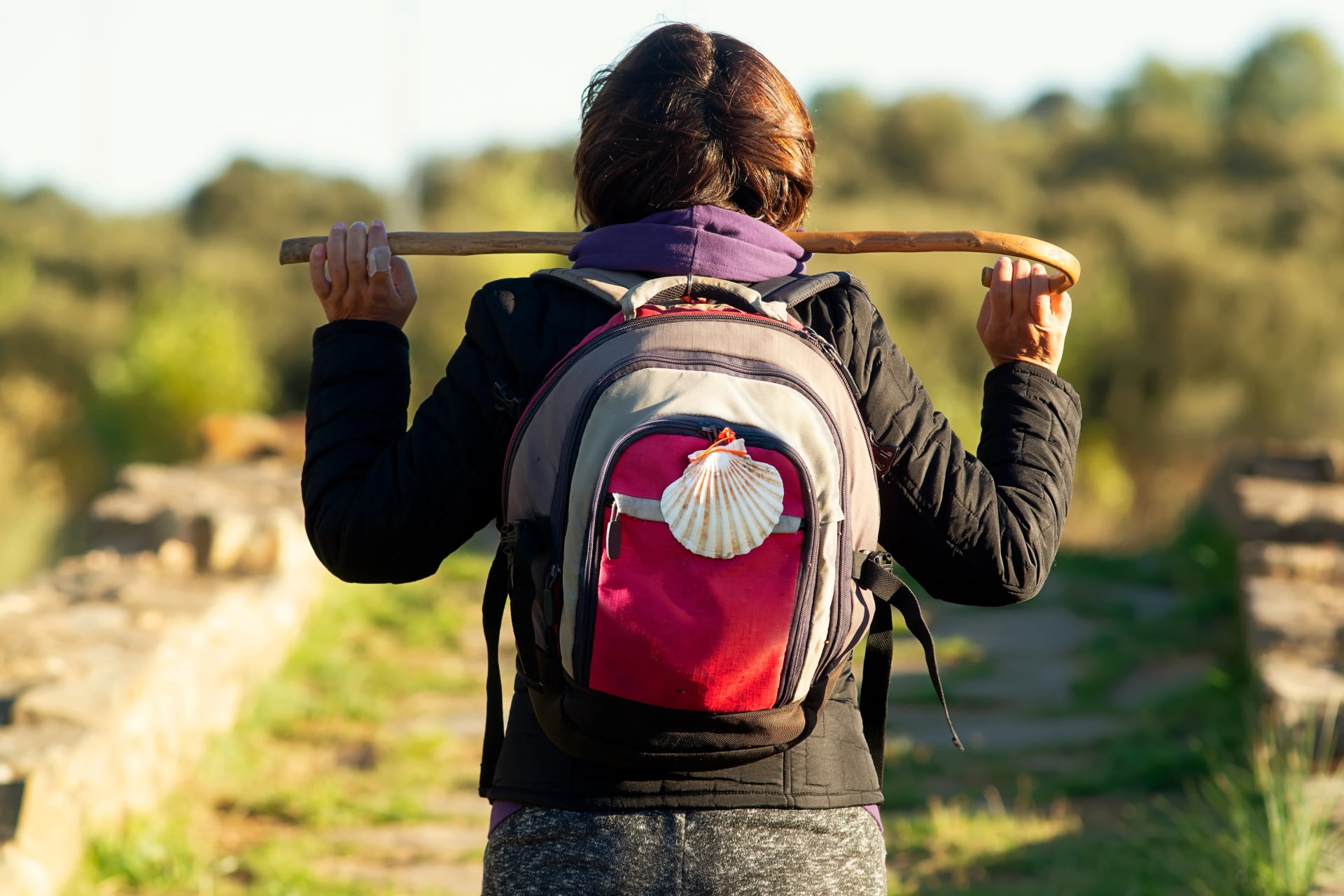
Organizing your Camino through a specialized tour company addresses many concerns that deter potential senior pilgrims. The practical advantages go beyond simple convenience—they fundamentally transform the experience from logistical challenge into pure pilgrimage.
Pre-booked accommodation eliminates daily uncertainty and competition for limited private rooms during busy periods. You walk knowing exactly where you'll sleep, confident that your room meets comfort standards, and relieved of the 2pm rush to secure beds before other pilgrims. This single feature converts afternoon arrival from anxious scramble into relaxed conclusion.
Professional route planning accounts for terrain, services, and appropriate distances for your fitness level. Tour operators know which stages are deceptively challenging, where to split long days, and when to schedule rest days for optimal recovery. This expertise, accumulated over thousands of previous pilgrims, prevents the common mistake of ambitious early stages that compromise the entire journey.
Reliable support manifests in countless small ways: answering questions about hiking deeper into the route, rebooking accommodation when you need an unexpected rest day, coordinating with local services if problems arise, and providing detailed information about obtaining and using your credential. Knowing help is one phone call away removes the background anxiety that shadows independent travelers far from home.
Complete flexibility means you control your itinerary within the tour structure. Feel great and want to walk extra kilometers to a larger town with more restaurant options? The tour company adjusts your next day's accommodation. Need to skip a stage due to fatigue or minor injury? Transportation to the next stop is arranged. This responsive support allows you to walk ambitiously without risking trip failure.
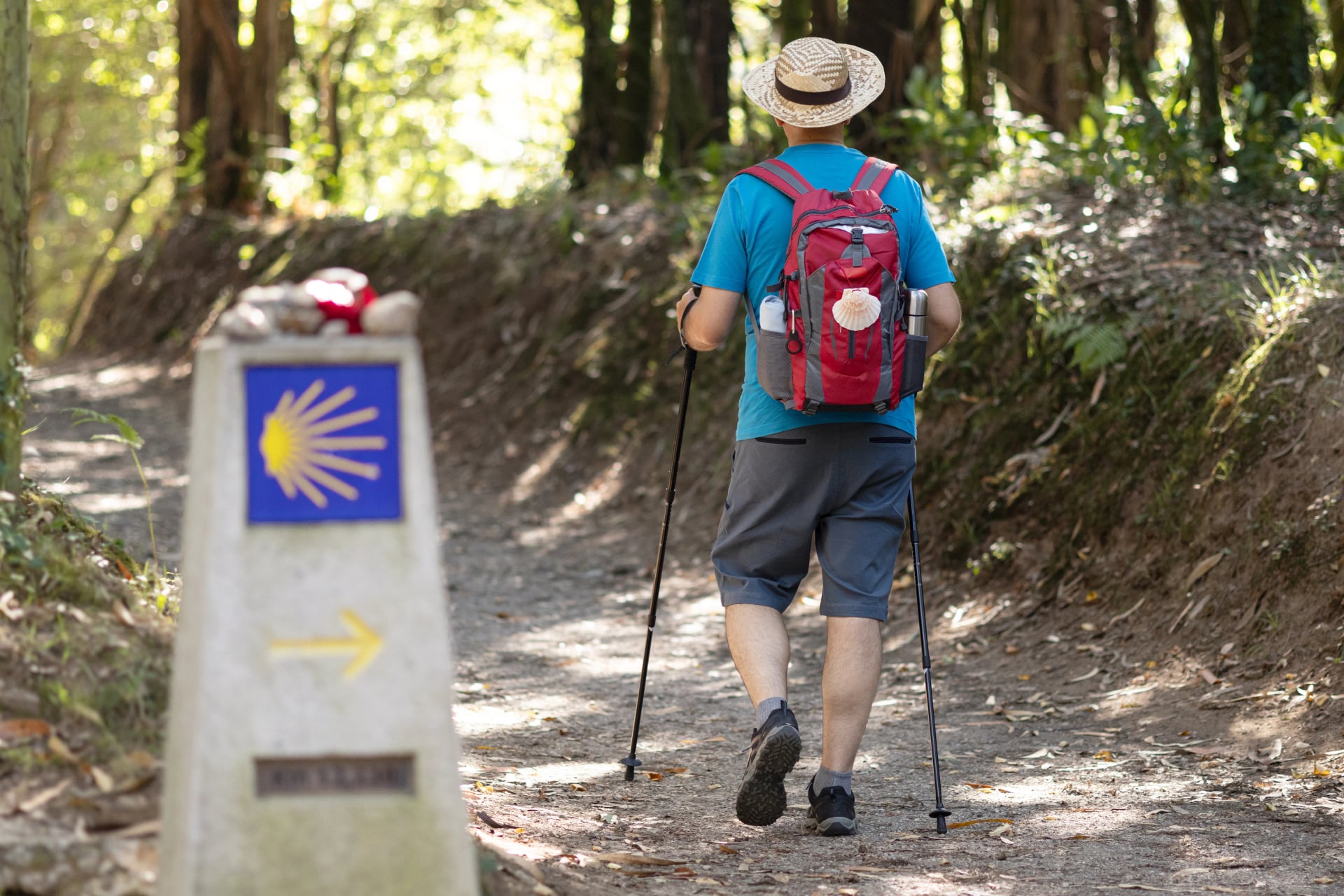
Best Routes Overview
Senior pilgrims typically thrive on routes combining manageable terrain, excellent infrastructure, and reliable services. Four routes emerge as particularly well-suited.
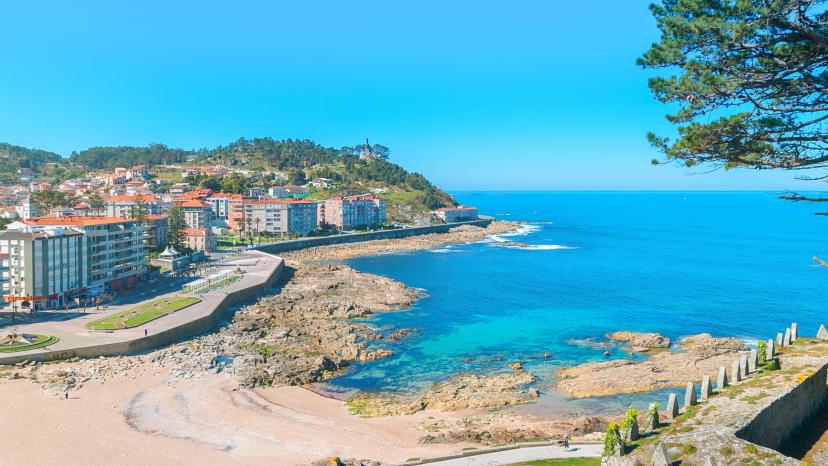
The Camino Portugués Coastal from Porto offers the flattest terrain of any major route. Atlantic views accompany most stages, elevation rarely challenges, and the path maintains good surface quality. Cafés and services appear regularly along this well-populated coastline. The stage from Porto to Vigo to Santiago provides gradual introduction to multi-day walking without intimidating mountain passes. For more details about where each route begins, consult our comprehensive guide to Camino starting points.
The final 100 kilometers from Sarria to Santiago on the Camino Francés represents the most popular choice among all pilgrims. This minimum distance for the Compostela certificate offers cultural immersion, excellent accommodation options, and manageable daily stages. The rolling Galician countryside challenges without overwhelming, and you'll find infrastructure specifically designed for the high pilgrim traffic this section receives. Understanding seasonal variations helps time your walk for optimal weather.
The Camino Inglés from Ferrol provides the shortest official route—just over 100 kilometers completed comfortably in 5-7 days. Less crowded than the Francés, this route through lush Galician forest offers intimate villages and authentic local culture. The condensed timeframe suits pilgrims testing their capabilities before committing to longer journeys. When planning ahead, reviewing details about accommodation options along this route proves invaluable.
The Portuguese Way from Tui (the final Spanish section of the Portugués) covers approximately 120 kilometers over 6-8 days. Slightly longer than the Inglés and with more varied terrain than the Coastal route, it strikes a middle balance. The path follows the Miño River valley before ascending into Galicia's green hills—beautiful without being severe.
For comprehensive month-by-month guidance on timing your pilgrimage, visit our weather guide covering weather patterns, crowd levels, and seasonal considerations across all routes.
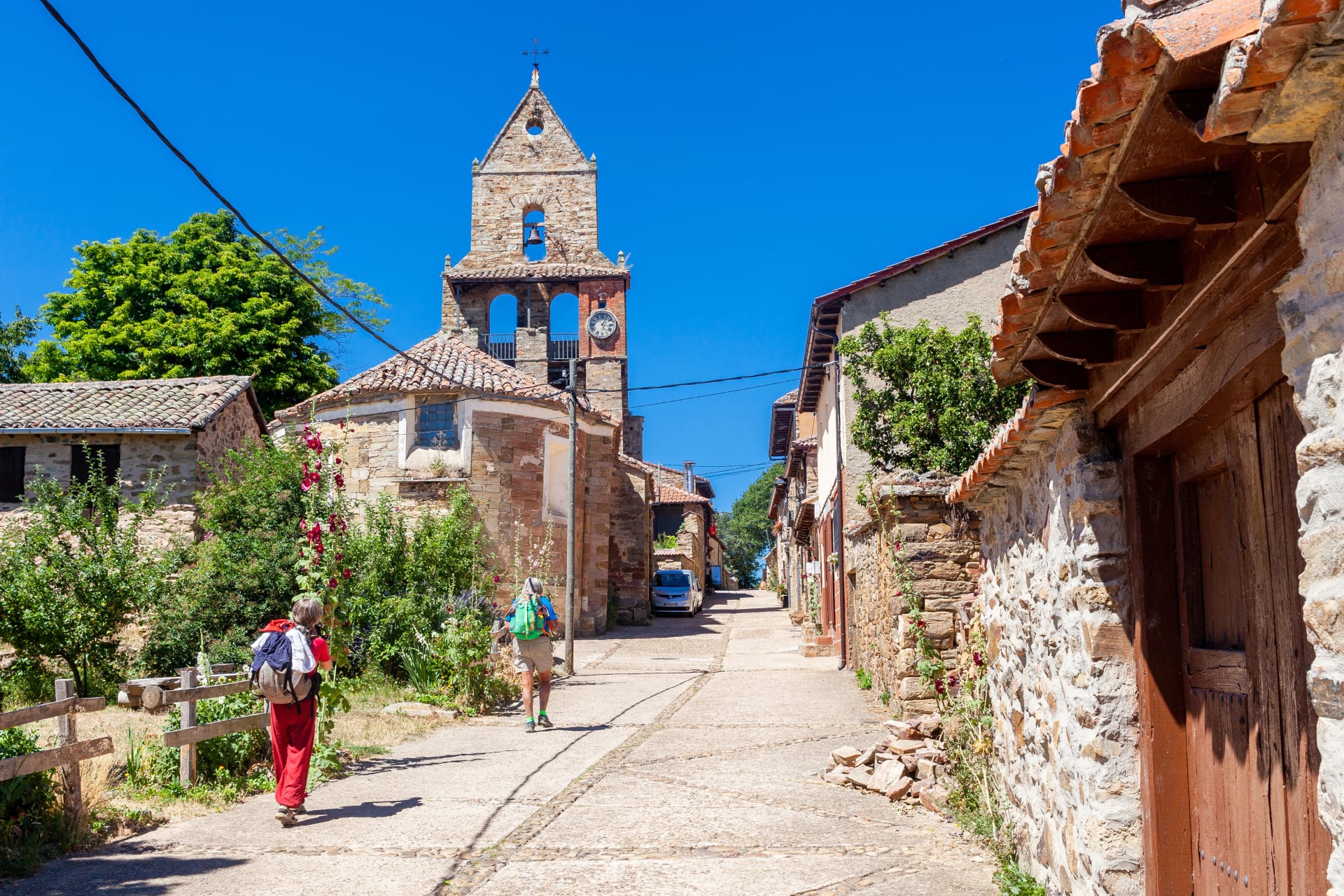
Senior-Friendly Tours
1. Sarria to Santiago de Compostela
Some Key Facts:
111 km in 5–6 stages; most finish in 6–7 days with a rest day
300–400 m average daily ascent, mostly gentle rolling climbs
Most popular Camino segment; 50%+ of Compostelas come from this final section
Most accommodation: private rooms every 5–7 km, easy to vary daily distances
Compostela rule: 2 stamps/day for the final 100 km
Experience the classic final 100 kilometers of the Camino Francés, earning your Compostela certificate while walking through quintessential Galician countryside. This route provides the perfect balance of challenge and accessibility, with well-maintained paths, regular services, and the satisfaction of completing an official pilgrimage distance.
Highlights:
Why perfect for seniors: Excellent infrastructure means frequent cafés for breaks, pharmacies in every town, and accommodation density allowing flexible daily distances. The moderate 3/5 fitness rating reflects manageable terrain without steep mountain passes, while 1/5 technical rating indicates well-maintained paths requiring only basic hiking ability. Daily distances average 15-20km—achievable for active seniors with modest preparation. This route's popularity ensures you're never isolated, yet it remains peaceful enough for contemplative walking.
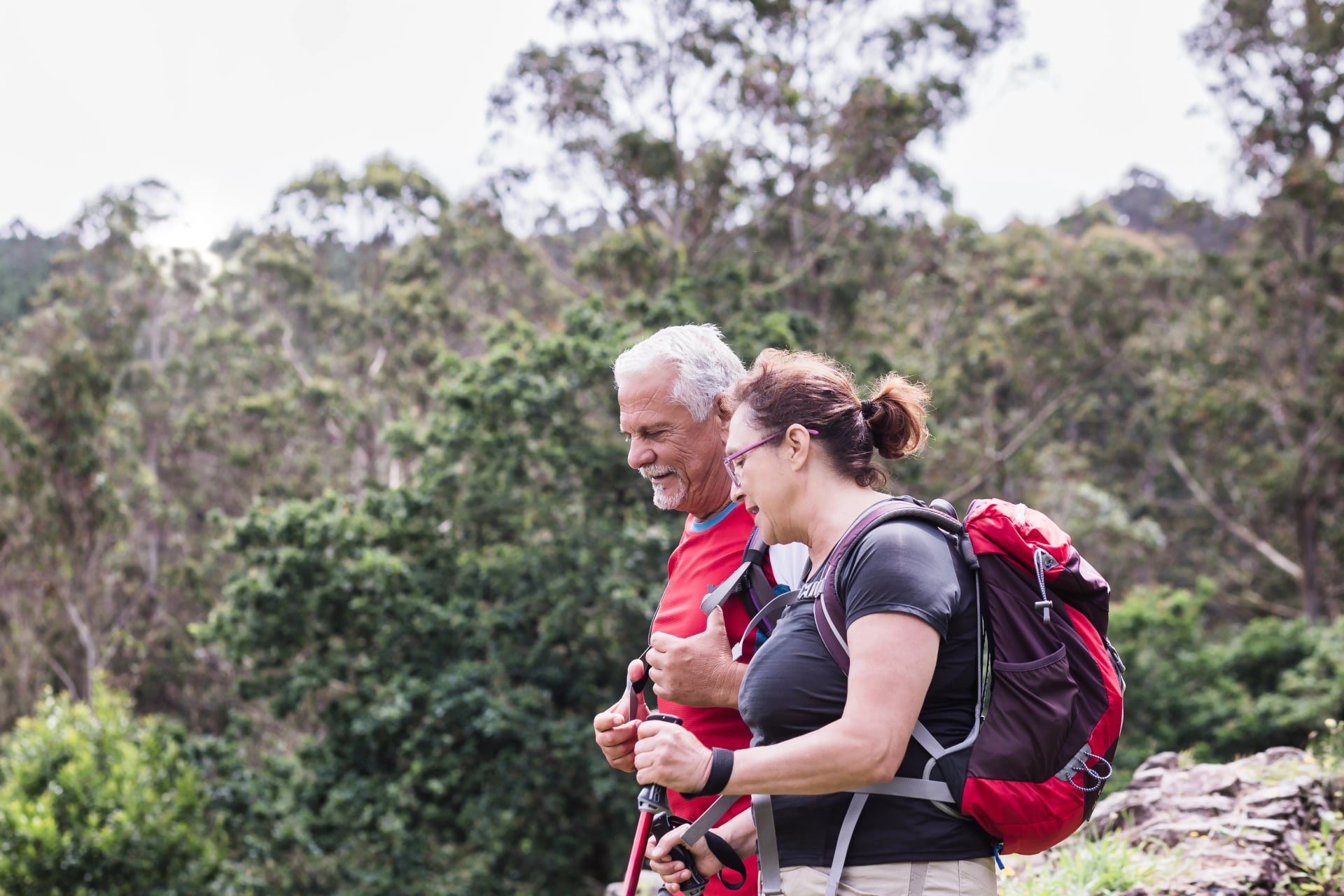
Happy senior couple hiking with trekking sticks and backpacks at the young pine forest. Enjoying nature, having a good time on their retirement
2. Vigo to Santiago de Compostela
Some Key Facts:
122 km typically in 6–7 days, with easier daily averages than Sarria
Low ascent overall; most climbing is in the final 30 km into Santiago
Quieter: around 60% less crowded than Sarria in peak summer
Mostly coastal/river-valley flat to Padrón, then inland to Santiago
Same Compostela despite the easier profile
Follow the Portuguese Coastal route's final stages through Galicia, combining ocean views with inland villages. This lesser-known alternative to the Francés offers authentic Portuguese-Galician culture, quieter paths, and the same Compostela certificate—all while maintaining accessibility for senior pilgrims.
Highlights:
Why perfect for seniors: The 7-day timeframe provides gentler introduction to multi-day walking than the 8-day Sarria route, with slightly shorter daily averages. Flatter terrain than most Camino routes makes this ideal for seniors concerned about hills—the coastal sections and river valleys minimize elevation gain. Quieter paths mean less crowding at popular stops, though infrastructure remains excellent throughout. The compressed timeline works perfectly for pilgrims with limited vacation time or those testing capabilities before longer journeys.
3. Camino Inglés
Some Key Facts:
Starts from Ferrol (118 km, Compostela) or A Coruña (75 km, alternative certificate)
Shortest Compostela-qualifying route (under 200 km) due to historic status
Steepest per km of the 3 options; key climb Betanzos → Santiago
Least crowded: roughly 90% fewer pilgrims than Sarria in summer
Historic maritime Camino for British/Irish pilgrims arriving by ship (12th–15th c.)
Walk the shortest route qualifying for the Compostela certificate, historically used by pilgrims arriving by ship from Britain and Ireland. This 120km journey through deep Galician forest and coastal hills offers intimate village life, uncrowded paths, and authentic local culture—perfect for seniors seeking quieter pilgrimage experience.
Highlights:
Why perfect for seniors: The compressed 5-7 day timeframe suits travelers with time constraints while still providing complete pilgrimage experience. Though rated 4/5 fitness due to some challenging hills, the short total distance means you can take extra rest days without impacting certificate eligibility—flexibility ideal for seniors who need recovery time. The uncrowded nature appeals to those who prefer solitude over the busy social scene of the Francés. Lower cost makes this an excellent "test Camino" before committing to longer routes in future years.
Browse our complete tour offerings to explore additional routes and custom itineraries tailored to your preferences and fitness level.
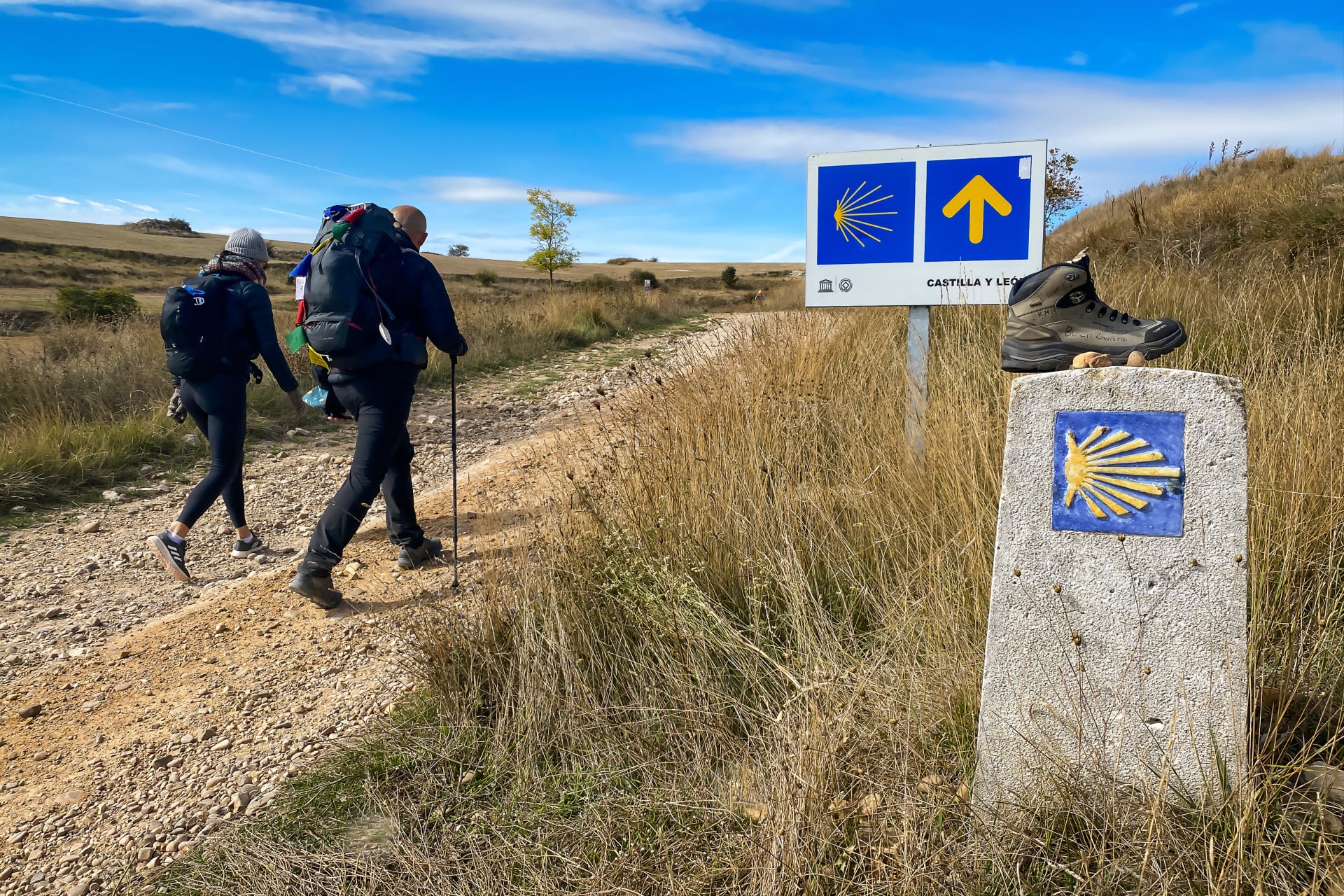
Preparation Essentials
Before You Go:
Consult your doctor 2-3 months before departure, particularly if you have chronic conditions or haven't maintained regular exercise routines. Most physicians enthusiastically support Camino walking as excellent cardiovascular activity, though they may recommend adjustments to medication schedules or specific precautions. Request copies of prescriptions using generic drug names—Spanish pharmacies stock most common medications but recognize generic rather than brand names.
Build walking fitness over 12 weeks before departure. Start with 5-kilometer walks on flat terrain, gradually increasing distance and adding hills as comfort grows. Wear your planned Camino shoes during all training walks—blisters from poorly broken-in footwear ruin more Caminos than any other single factor. Aim for at least three 15-kilometer walks in final preparation weeks, carrying a light daypack to simulate actual conditions.
Comprehensive travel insurance covering medical care, evacuation, and trip cancellation provides essential protection. Standard health insurance rarely covers international medical care, and Spanish hospitals require payment upfront from foreign patients. The small premium cost pales against potential expenses from unexpected medical care or the need to cancel due to family emergencies.
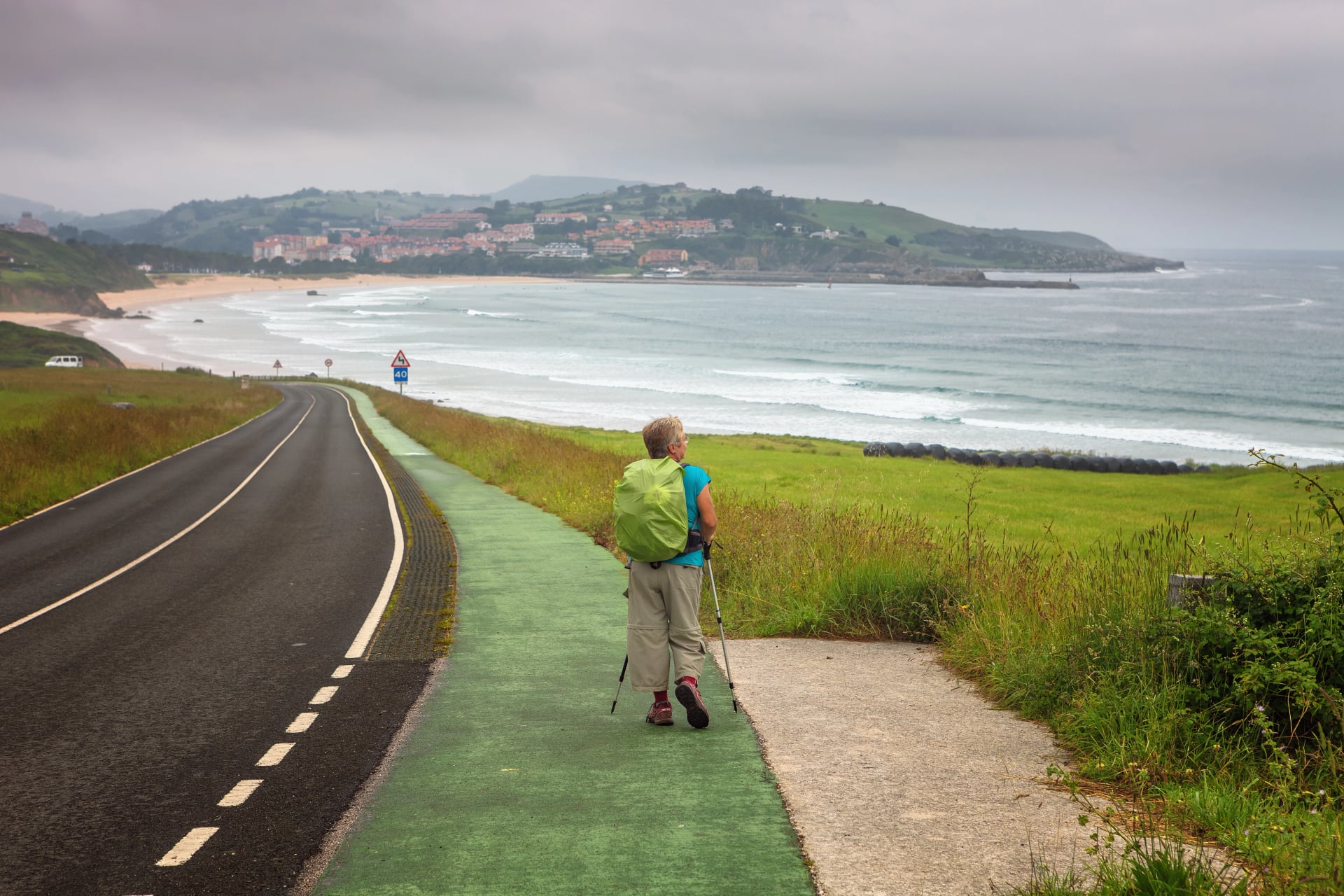
What to Expect:
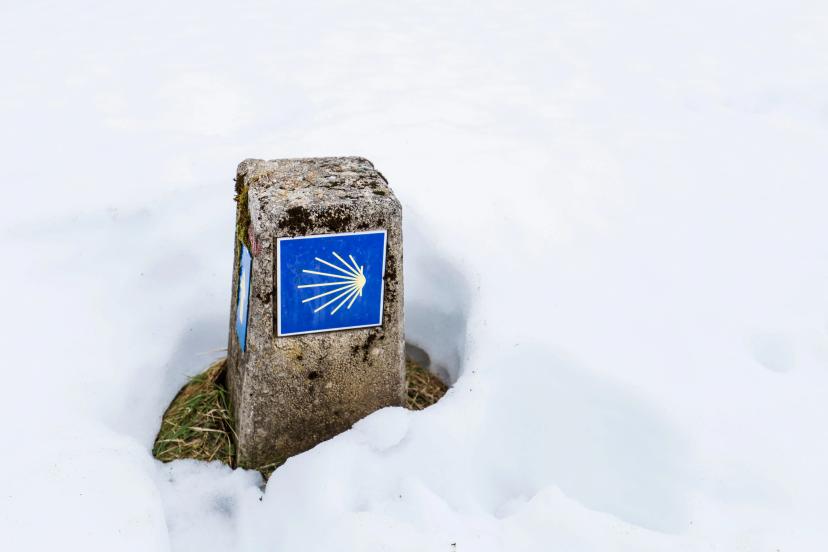
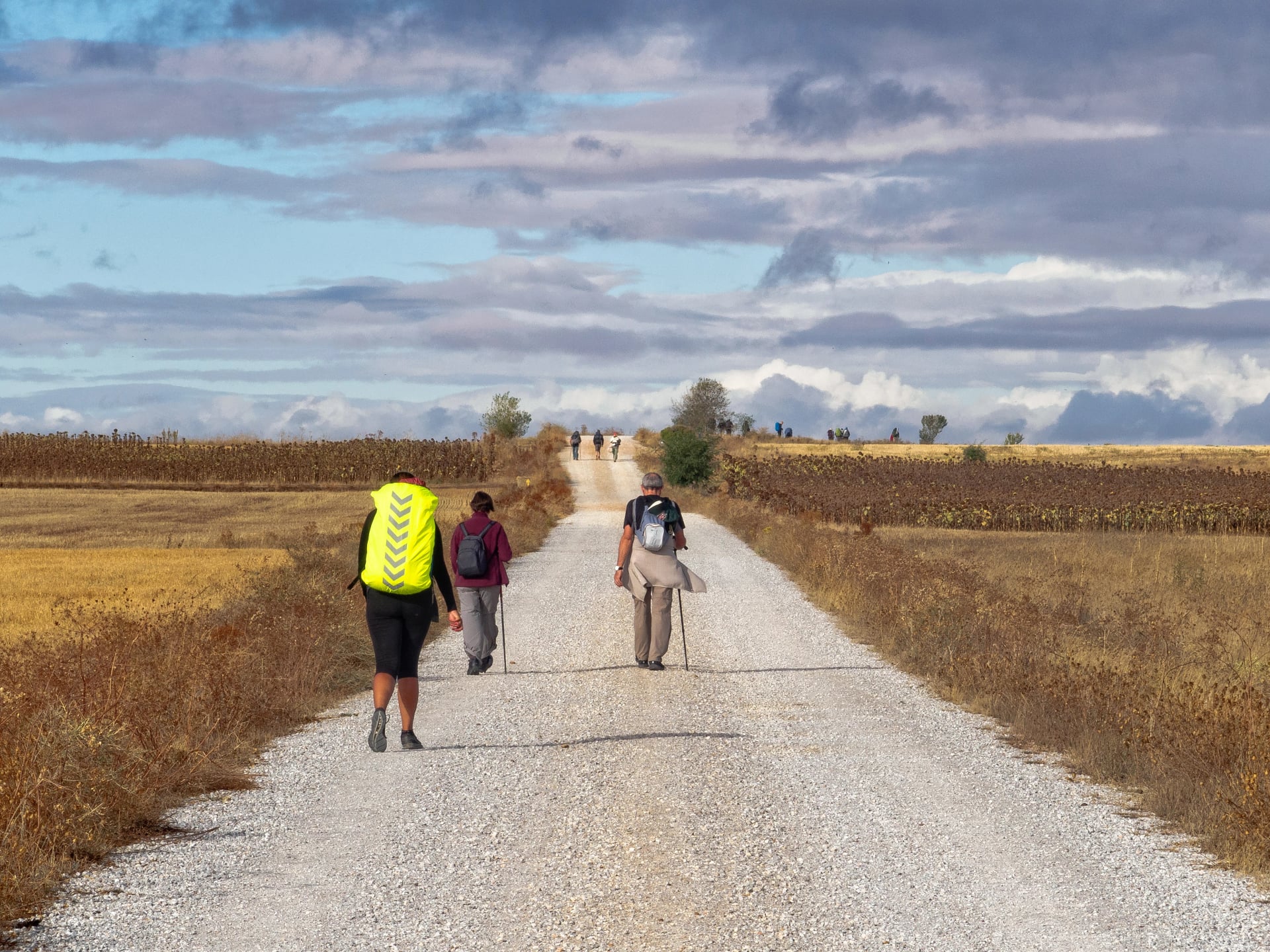
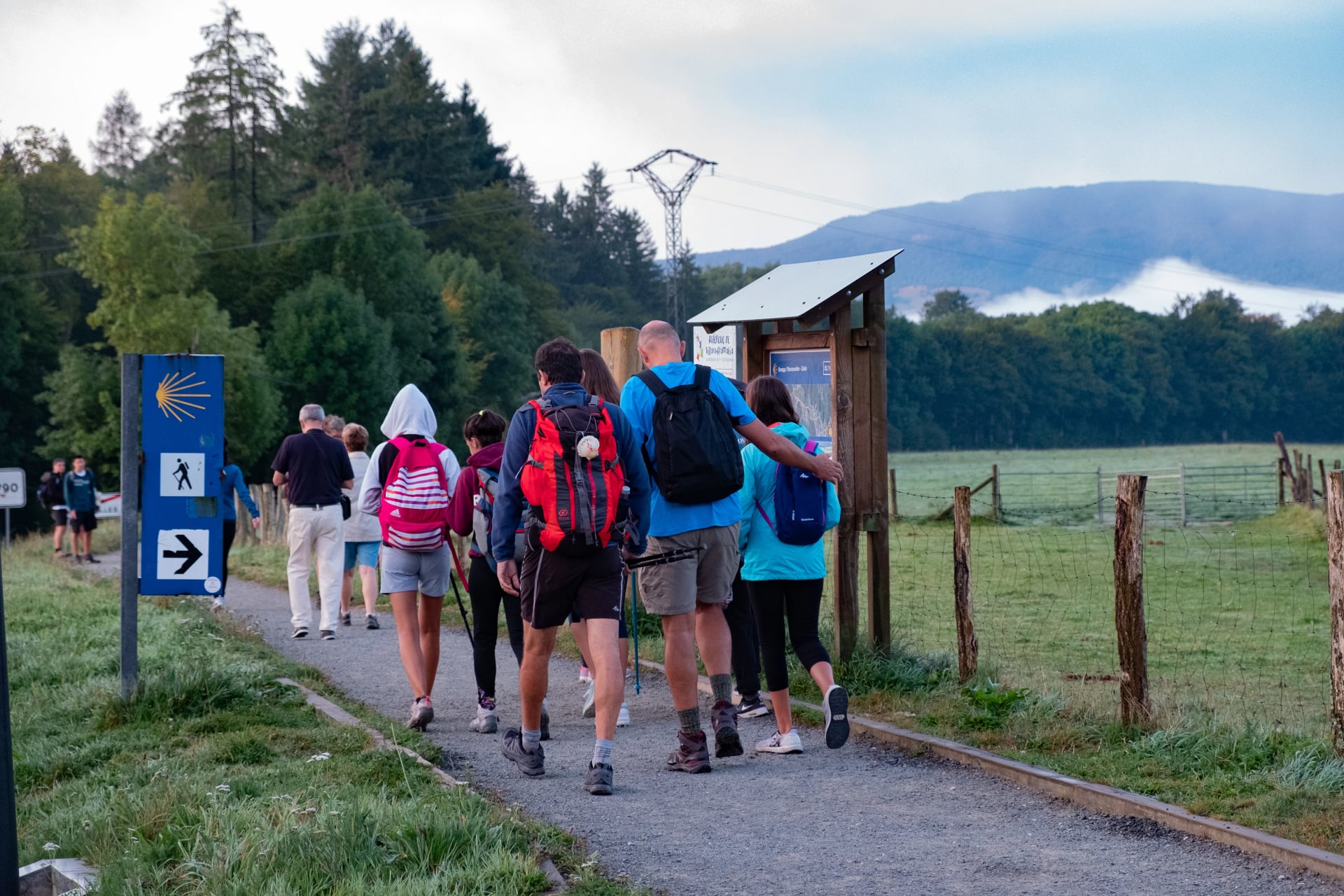
Morning routine typically begins early—many pilgrims walk during cool morning hours, reaching destinations by early afternoon. Breakfast at accommodations or local cafés provides fuel for the day's walking. The trail itself alternates between quiet country paths and occasional road sections, with regular markers guiding the route.
Afternoons offer time for rest, exploring the town, laundry, and socializing with fellow pilgrims. Dinner becomes a social highlight where walkers from various countries share stories and experiences. This daily rhythm creates structure while allowing flexibility—you control when you start, how many breaks you take, and when you arrive.
Packing Essentials:
Pack light—every kilogram you carry over 100+ kilometers amplifies fatigue. Quality over quantity applies to every item:
Broken-in trail shoes (not stiff hiking boots) with room for toe swelling
Moisture-wicking layers (not cotton) for variable weather and temperature regulation
Lightweight rain jacket with hood for sudden Atlantic showers common in Galicia
First aid supplies including blister treatment, pain relievers, sunscreen, and personal medications
Comfortable walking clothes for 2-3 days, plus one non-walking outfit for town evenings
For a complete packing checklist with detailed recommendations on specific gear, fabrics, and optional items, see our ultimate Camino guide section on equipment preparation.

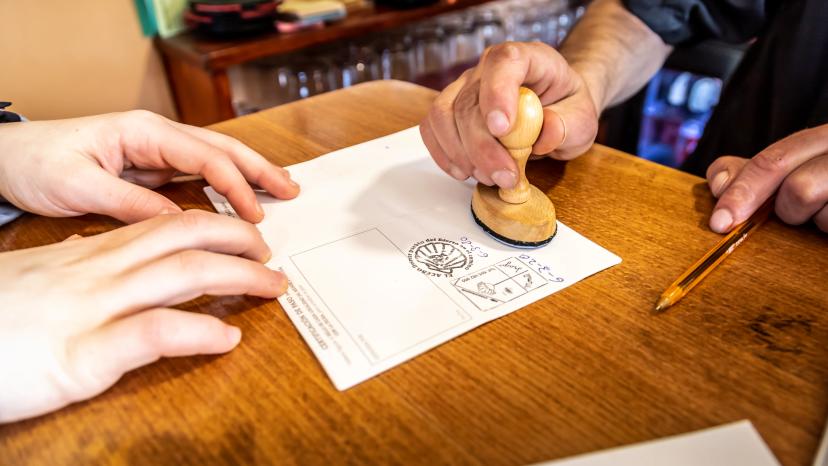
Before departure, familiarize yourself with how to obtain your Camino passport and certificates—the credential that gets stamped at each stop and qualifies you for your Compostela. Understanding the process beforehand eliminates confusion during your walk. Similarly, knowing what to expect at pilgrim offices streamlines the certificate collection at journey's end.
Your Questions Answered
Q: "Will the physical demands be manageable?"
A: The Camino's reputation sometimes intimidates prospective pilgrims, but understanding the reality helps calibrate expectations. Daily distances average 12-18 kilometers—roughly 2.5 to 4 hours of walking at a comfortable pace with breaks. This isn't mountaineering or extreme hiking; it's sustained walking on established paths with regular services. Think of it as longer versions of neighborhood walks you might already do, repeated daily with proper rest.
Route selection dramatically affects difficulty. The Portuguese Coastal route offers the flattest terrain with minimal elevation gain. The Sarria to Santiago section of the Camino Francés provides excellent infrastructure and moderate challenges without the Pyrenees crossings that make earlier stages more demanding. The Camino Inglés covers just over 100 kilometers in 5-7 days—perfect for testing your capabilities without overwhelming commitment.
Q: "Can I walk at my own pace without holding others back?"
A: This concern evaporates within your first day on the Camino. Everyone walks at their own rhythm—it's fundamental to the pilgrimage philosophy. Fast walkers set out early and arrive at midday; contemplative walkers savor the journey and arrive later. Neither approach is superior, and the trail accommodates both seamlessly. Fellow pilgrims you meet at breakfast might be hours ahead or behind by evening, yet you'll likely reconnect in town for dinner or encounter them again days later when taking different rest days.
Organized tours eliminate any pressure entirely. Your itinerary sets realistic daily distances appropriate for your fitness level, with accommodations pre-booked at sensible intervals. There's no "group pace" to maintain—you walk when you want, rest when you need, and arrive whenever suits your rhythm. Support staff are just a phone call away if you need adjustments.
Q: "What about accommodation comfort?"
A: Municipal albergues (hostels) that offer dormitory-style bunk beds represent traditional Camino accommodation—and while culturally important, they're entirely optional. Private rooms with ensuite bathrooms are widely available along all major routes, especially through organized tours. These range from renovated rural guesthouses to comfortable hotels, providing the rest quality essential for multi-day walking.
Pre-booking eliminates the daily stress of finding accommodation after a long walk. Traditional Camino walkers often embrace the uncertainty of arriving in town and searching for available beds, but advanced booking guarantees your room and allows you to focus energy on walking rather than logistics. This becomes particularly valuable during peak season (July-August) when popular stages fill quickly.
Q: "What if I get injured or ill?"
A: Spain's healthcare infrastructure along the Camino is excellent. All significant towns have medical centers, pharmacies stock everything from blister treatments to prescription medications, and larger cities offer full hospital services. 24/7 support through organized tours means someone handles appointment scheduling, translation if needed, and itinerary adjustments while you recover.
Most common issues—blisters, minor muscle strains, fatigue—respond well to rest and basic care. Serious medical problems remain rare among properly prepared pilgrims, but Spain's healthcare system handles them competently. Travel insurance covering medical care and evacuation provides additional peace of mind for the unlikely scenarios that keep people awake before departure.

Inspiring Pilgrims
Real seniors walking the Camino provide the best evidence that age need not limit adventure.
1. Susan, who walked the complete 769-kilometer Camino Francés at age 70, trained rigorously for four months before departure, working with a trainer on core strength and balance. She walked 40 days averaging 19 kilometers daily, demonstrating that proper preparation enables remarkable achievements. Her advice focuses on training seriously, investing in quality footwear, and booking private accommodation for essential rest.
2. Donald Bowes completed two full Caminos after age 70, documenting his experiences in detail for other senior pilgrims. Despite facing injuries and the physical challenges natural at that age, he emphasizes that determination and patience matter more than athletic ability. His training regimen, preparation advice, and daily chronicles provide realistic expectations for seniors contemplating their own pilgrimage.
3. Terry and his partner, ages 69 and 62 (at the time of the Camino), have completed multiple Caminos including the challenging Norte and Primitivo routes. They walk shorter daily distances of 15 kilometers to accommodate comfort levels, take 9 days for routes others complete in 5, and adjust itineraries as needed. Their philosophy: "If I could manage the Inglés, then with planning we could complete the Primitivo." This incremental approach—testing capabilities on easier routes before attempting challenging ones—works perfectly for seniors building confidence.
These pilgrims share common themes: serious training beforehand, realistic daily distances, comfortable accommodation, and flexibility to adjust plans. None are elite athletes; all are ordinary people who prepared thoughtfully and walked persistently.
Your Camino Awaits
The thousands of seniors who walk the Camino annually prove that age represents experience rather than limitation. The pilgrimage rewards preparation, patience, and perspective—qualities that often deepen with years rather than diminish. Whether you walk 100 kilometers or 800, one week or six, the Camino judges only your intention and effort, not your speed or age.
Modern support infrastructure transforms this ancient pilgrimage into an accessible adventure for prepared seniors. Pre-booked accommodation, professional route planning, and reliable support remove the barriers that once made long-distance walking intimidating. The remaining challenge—putting one foot in front of the other each day—proves manageable for most people who train appropriately and walk wisely.
Your pilgrimage begins with simple decisions: which route matches your fitness, when weather suits your preferences, and whether you'll walk independently or with tour support. Contact us to discuss your specific situation, health considerations, and travel preferences—our experience with senior pilgrims helps craft itineraries matching your capabilities while honoring your ambitions. We'll handle the logistics so you can focus on the walking, the scenery, and the extraordinary experience of joining centuries of pilgrims on the path to Santiago.
The Camino doesn't ask your age—it asks only whether you're ready to walk. And if you've read this far, you probably are.
About this author
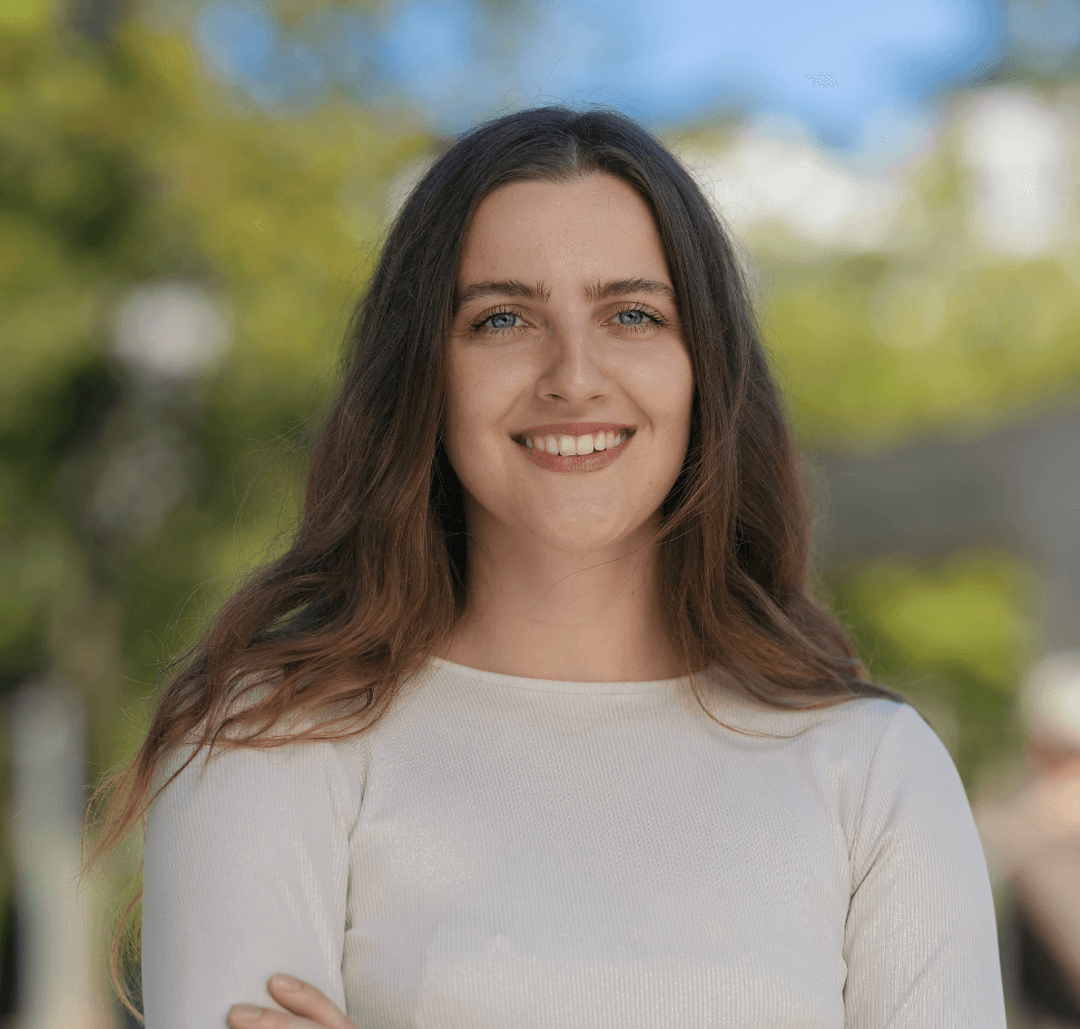
Anja is our lead travel advisor and a lifelong hiker who has planned countless adventures across Europe. She prefers sunsets to sunrises — unless coffee is involved — and, ever since her first rock-climbing course, joins friends on climbing trips whenever she can.