A Pilgrim's Guide to Camino Cuisine

Explore Camino de Santiago cuisine by region—signature dishes, wines, and what to order in bars and pilgrim menus, from Galicia to the Meseta and beyond.

Anja

January 22, 2026

10 min read

Hero Image

Food on the Camino functions as cultural immersion, historical continuity, and social ritual—far more than fuel between stages. The pilgrimage crosses three countries (France, Spain, Portugal), each with distinct culinary traditions shaped by geography and centuries of hospitality.

Medieval pilgrims relied on monastery kitchens, creating infrastructure that evolved into modern pilgrim menus (€10-15 three-course meals with wine). This guide covers 15 signature dishes selected for authenticity and pilgrim popularity. For comprehensive planning of your next Camino, see our Ultimate Camino de Santiago Guide.
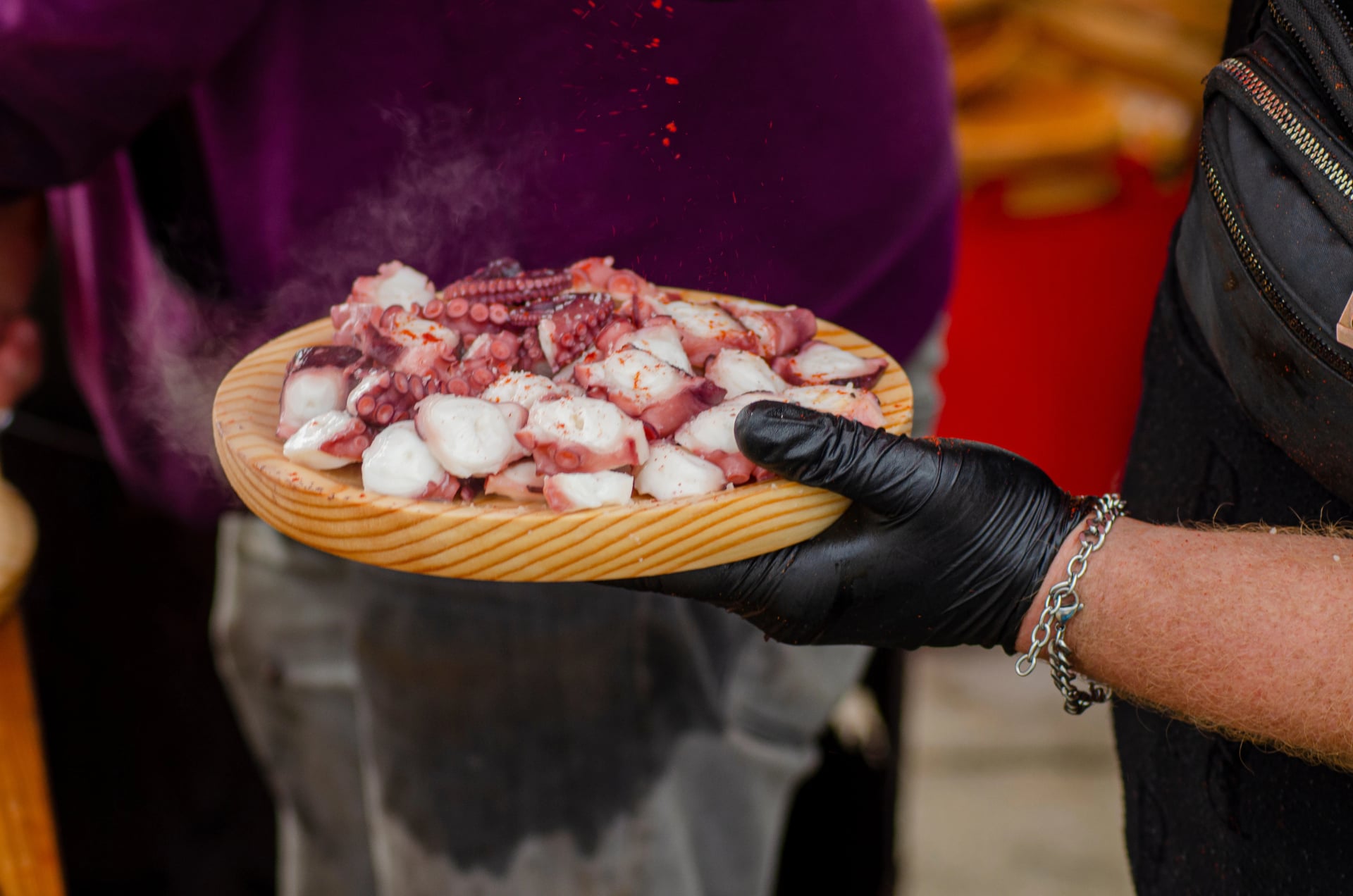
view of a ration of octopus cooked in the Galician style, pulpo a feira
Tasting octopus is a classic trail milestone that signals your exciting proximity to Santiago

France: Basque Beginnings

Your Camino begins with butter. In St. Jean Pied de Port, tucked into the Pyrenean foothills where France meets Spain, the smell of baking Gâteau Basque fills morning streets as 60,000+ pilgrims annually prepare for the mountain crossing ahead. This isn't French cuisine as Paris knows it—this is Basque Country, where food traditions predate national borders by centuries.

The Basque people earned UNESCO recognition in 2021 for culinary heritage that survived geographic isolation and political pressure from both France and Spain. Their cuisine speaks a different language—literally. Piment d'Espelette instead of black pepper. Corn where wheat won't grow. Fish soup requiring four species minimum, because one fish tells no story.

For most pilgrims, St. Jean provides the first and last French meal—a brief immersion in traditions that will reappear 800 kilometers later on Spain's northern coast, proving that borders matter less than mountains, and food follows geography, not flags.

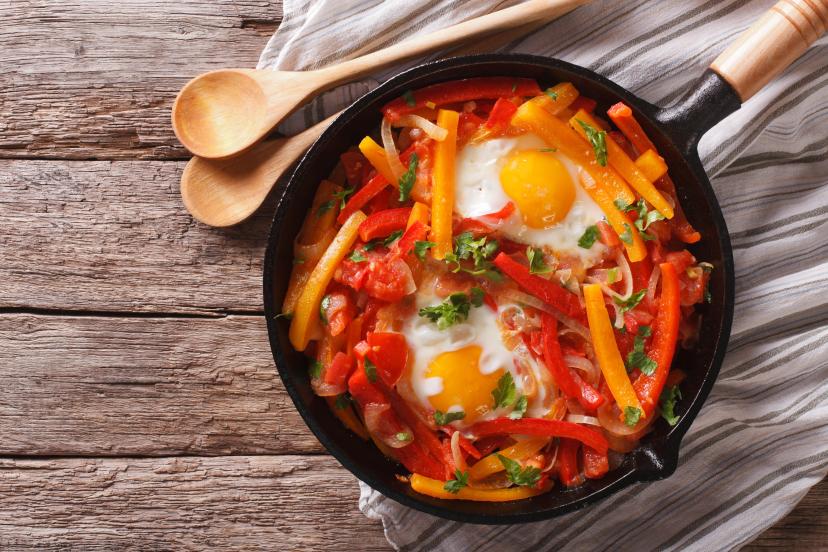
traditional Basque piperade with eggs close-up. horizontal top view

Piperade

Basque pepper and tomato stew with onions, garlic, and piment d'Espelette (regional chile pepper), often served with eggs scrambled in or Bayonne ham on the side. The dish originated as farmers' breakfast using garden vegetables and became emblematic of Basque home cooking. Colors mirror the Basque flag—red peppers, white onions, green herbs. Found in St. Jean restaurants and gîtes as traditional pilgrim send-off meal before the Pyrenees crossing. Vegetarian-friendly when served without ham, making it accessible to most dietary preferences.

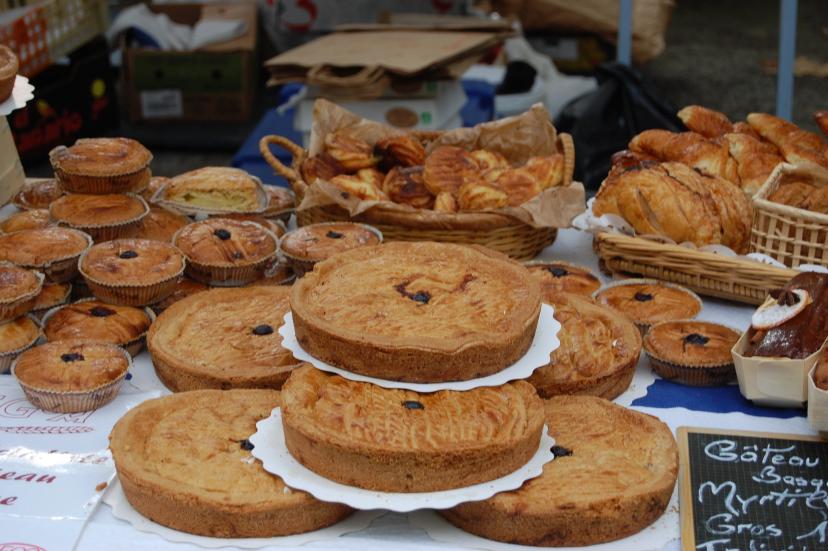
gâteau basque

Gâteau Basque

Traditional Basque cake with shortbread-style crust filled with either pastry cream or black cherry jam, originating in the village of Cambo-les-Bains in the 1600s. The cake's dense, buttery texture provides serious hiking fuel—bakers designed it to travel well in shepherds' packs during long days in mountain pastures. Two competing villages each claim invention, maintaining friendly rivalry across centuries. Available in every St. Jean bakery, often sold by the slice for trail snacks or as whole cakes for groups. The cake keeps well for several days without refrigeration, making it ideal trail food.

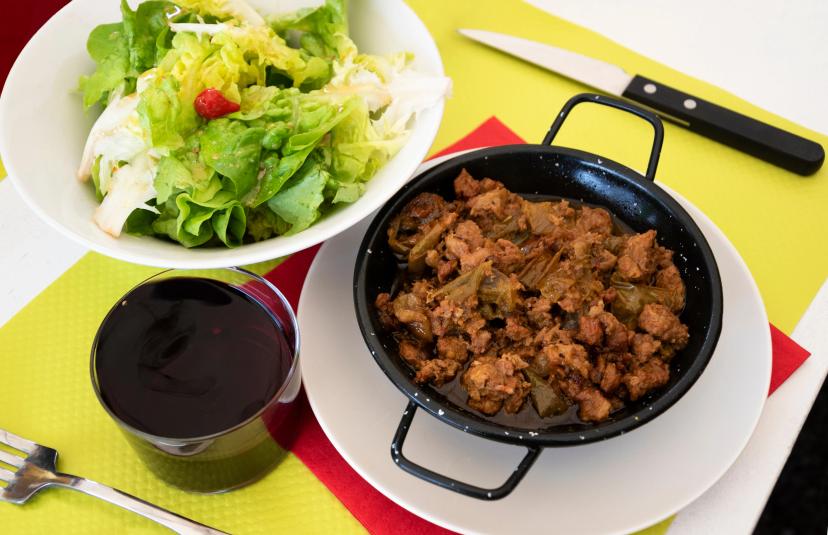
Axoa (traditional Basque dish made of minced beef with vegetables) served with fresh salad with sweet pepper and glass of local red wine.

Axoa

Basque veal stew slow-cooked with onions, peppers (piment d'Espelette essential), and white wine until meat becomes tender and sauce reduces to thick consistency. The name derives from Basque "hachée" meaning minced, though modern versions use chunks rather than ground meat. Originally created to use tough cuts of veal or mutton from mountain pastures that required long cooking to become tender. Served with rice or fried potatoes to soak up the rich sauce. Restaurant staple in St. Jean, representing traditional Basque cooking at its heartiest and most satisfying for hungry pilgrims.

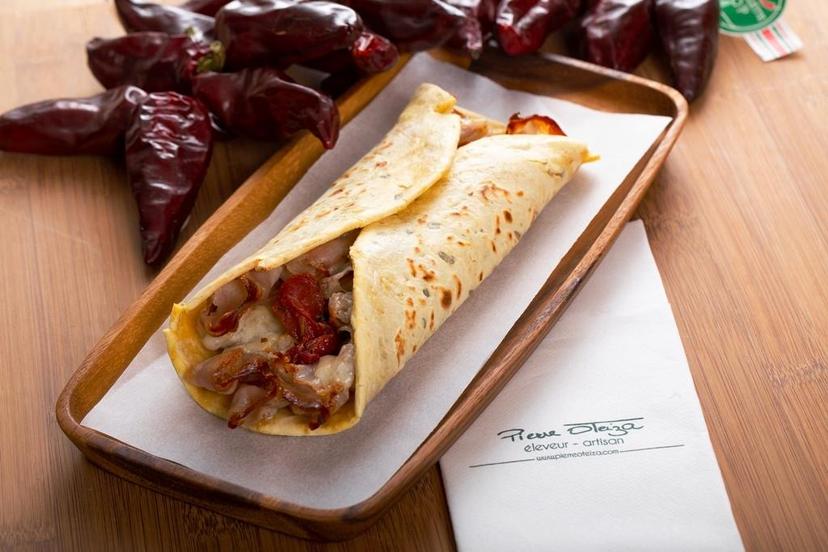
Savory crepe filled with meat and sun-dried tomatoes on a wooden tray with dried chili peppers.

Taloa

Basque corn flatbread traditionally cooked on hot stones or griddles, served with chocolate, cheese, or Bayonne ham. Corn arrived in Basque Country from the Americas in the 1500s, becoming staple crop where wheat struggled in the challenging mountain climate. The bread's slightly sweet, dense texture differs completely from wheat versions, with distinctive corn flavor. Street vendors in St. Jean sell taloa wraps filled with local sheep cheese or cured ham—perfect handheld pilgrim breakfast requiring no utensils. Authentically cooked over wood fire when possible.

Ttoro

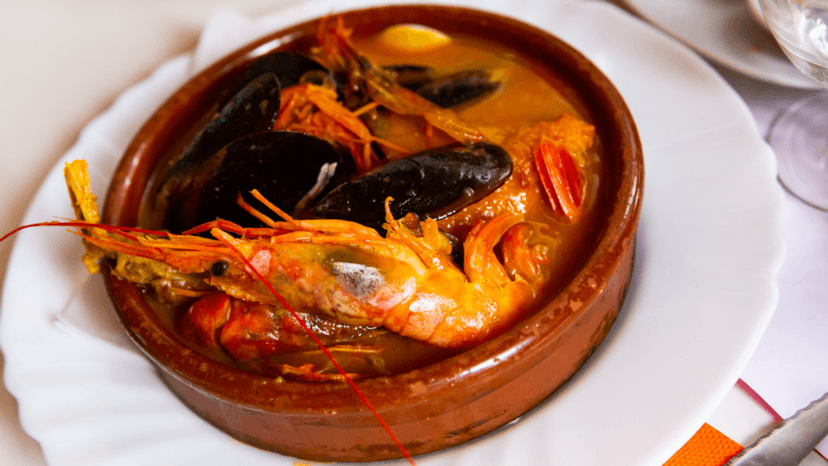
Basque fish soup prepared with multiple local fish species (traditionally at least four types: monkfish, conger eel, gurnard, sea bream), shellfish, tomatoes, white wine, and saffron, finished with toasted bread. The dish originated in coastal Basque fishing villages as fishermen's way to use the diverse daily catch that couldn't be sold fresh. Inland versions near St. Jean substitute river fish but maintain the essential multi-fish tradition. Rich, complex flavor develops from seafood variety and long simmering that melds the ingredients.

Basque cuisine does something most starting points can't—it prepares you culturally, not just physically. The piment d'Espelette in your morning piperade teaches your palate what "regional ingredient" actually means. The dense Gâteau Basque slice in your pack demonstrates how food was designed for travel centuries before energy bars existed.

These aren't museum pieces. In St. Jean's restaurants, you're eating food that hasn't fundamentally changed since medieval pilgrims received monastery provisions before their mountain crossing. The recipes survive because they work—calorie-dense, weather-resistant, built from what grows in harsh mountain conditions.

When the same dishes reappear weeks later on the Camino del Norte through Spanish Basque Country, you'll recognize them immediately. The food tells you something maps can't—you've walked into the same culture wearing a different flag, proving the Basque identity that predates both nations by a thousand years.
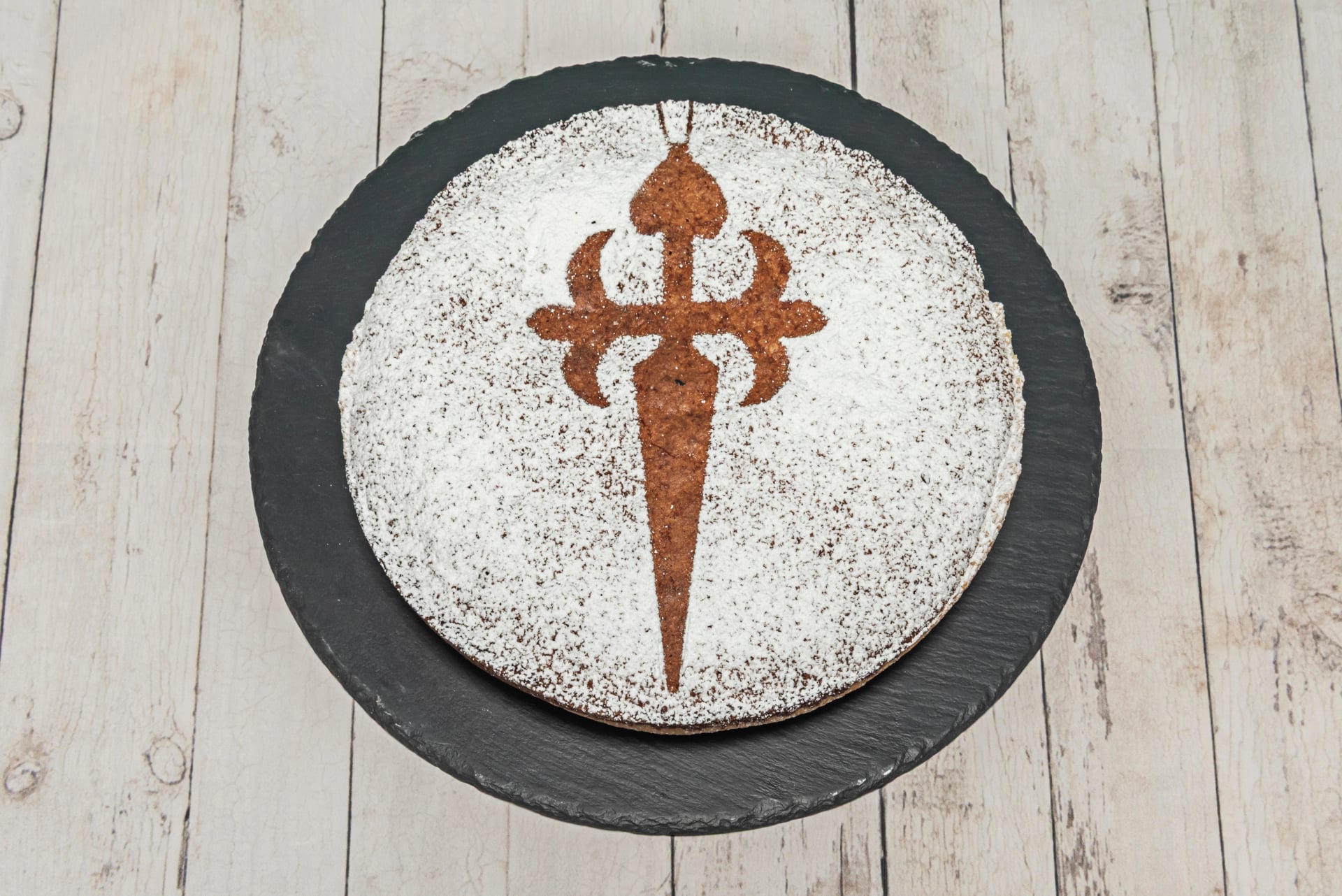
Individual portion of Tarta de Santiago decorated with the iconic embroidered cross in powdered sugar, on a Galician artisanal ceramic plate
Indulge in traditional Tarta de Santiago featuring the iconic St. James Cross in powdered sugar

Spain: The Heart of the Camino

Spain doesn't just host the Camino—it defines it. Over 90% of every major pilgrimage route runs through Spanish territory, creating a relationship between walking and eating that's shaped regional cuisine for eight centuries. The medieval Codex Calixtinus from the 1140s didn't just document routes—it warned pilgrims which regions served good bread, where wine turned sour, which rivers ran safe.

That infrastructure never disappeared. It evolved. Modern €10-15 pilgrim menus descend directly from monastery hospitality, formalized during the 1980s Camino revival but maintaining medieval logic: feed walking pilgrims affordable, substantial food using local ingredients.

The Spanish Camino functions as accidental culinary education. You taste Basque peppers give way to Rioja wine country, then Castilian wheat fields, finally Galician seafood as the Atlantic approaches. Santiago's bakeries alone produce 3 million almond cakes annually—a single dessert sustaining an entire regional economy because pilgrims expect it, demand it, remember it.

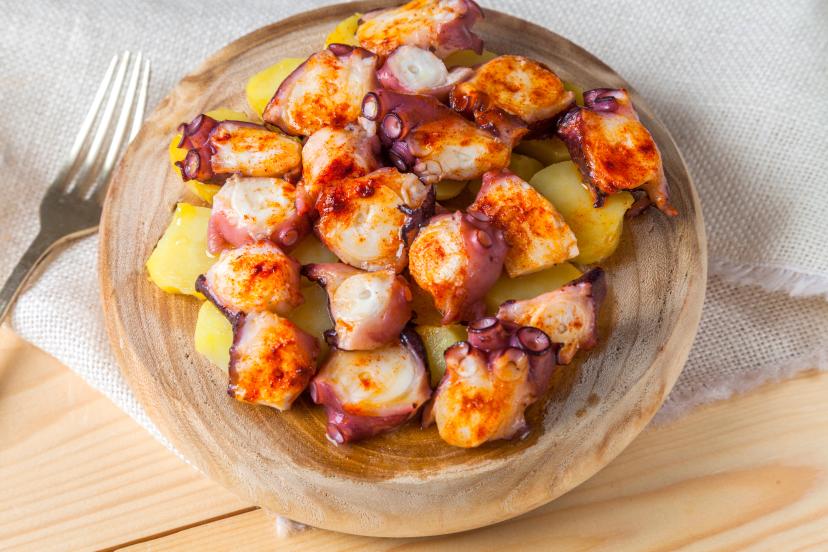
Spanish tapas Pulpo a la Gallega,typical spanish octopus with potato,olive oil and paprika

Pulpo a la Gallega

Pulpo a la Gallega (Galician octopus) represents Galicia's signature dish, particularly famous in the town of Melide where pilgrims encounter their first authentic pulpería (octopus restaurant). The preparation requires skill: octopus must be scared (dipped in boiling water three times) before cooking to tenderize properly, then boiled until tender, sliced into coin-sized pieces, and served on wooden plates drizzled with olive oil and dusted with sweet and hot paprika alongside boiled potatoes. Every pilgrim must try pulpo at least once.

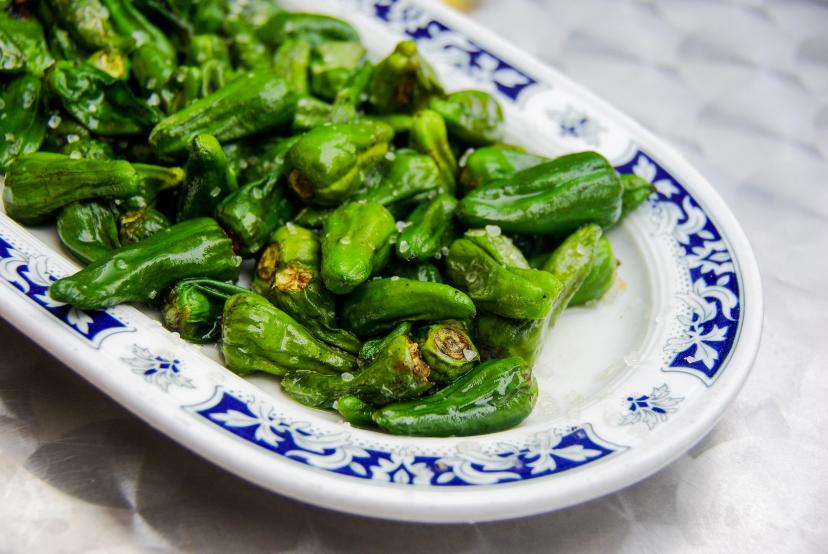
Pimientos de Padrón

Pimientos de Padrón

Pimientos de Padrón are small green peppers fried in olive oil and sprinkled with coarse sea salt, famous for their gastronomic Russian roulette—as the saying goes, "Unos pican y otros no" (some are hot, some are not). These peppers, originating from Padrón in Galicia, appear on every bar's menu throughout the region. The mystery lies in the unpredictability—perhaps one in ten peppers packs serious heat, while the rest remain mild and sweet. Eating pimientos becomes communal entertainment as groups watch each other's reactions, laughing when someone gets the spicy one. They're the quintessential Spanish tapa—cheap, delicious, shareable, and slightly dangerous.

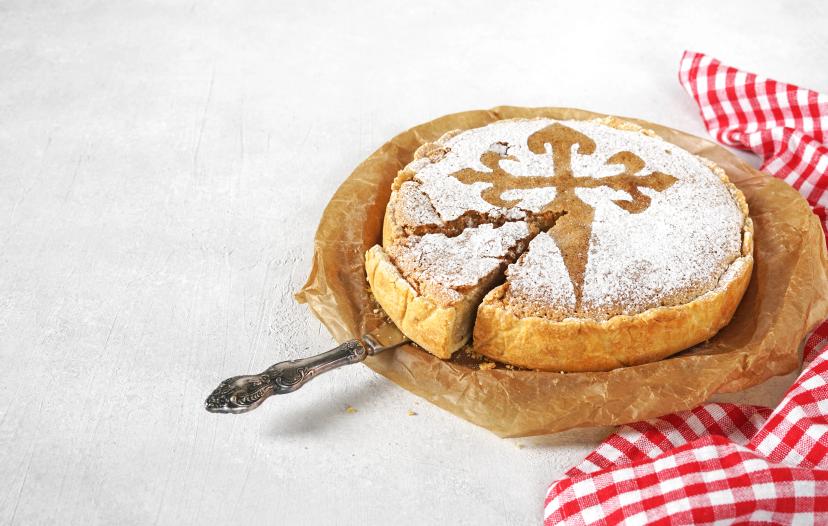
tarta de santiago and peace, spanish almond cake, copy space

Tarta de Santiago

Tarta de Santiago is Galicia's iconic almond cake, instantly recognizable by the Cross of St. James stenciled in powdered sugar on its golden top. Made primarily from ground almonds, eggs, sugar, and lemon zest—with no flour—the cake achieves a dense, moist texture that's naturally gluten-free. The recipe dates to medieval times when Santiago's convents produced sweets for pilgrims and locals. Its simplicity belies its deliciousness, with the almonds providing rich flavor while lemon brightens the sweetness. You'll find Tarta de Santiago in every bakery and restaurant in Santiago de Compostela.

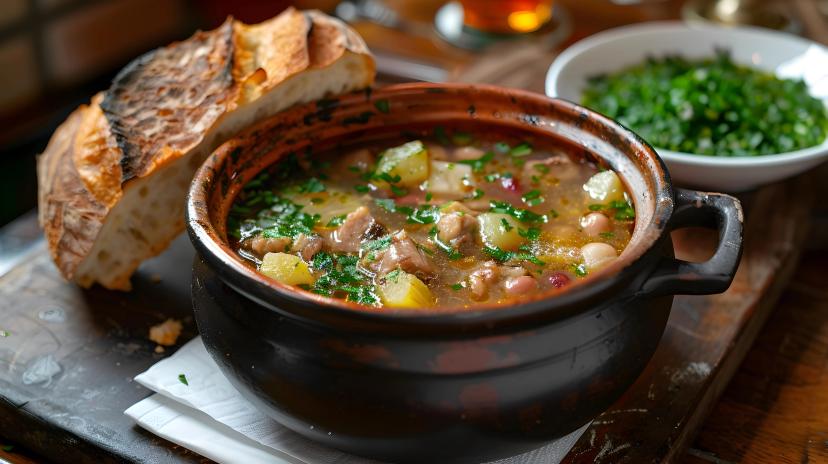
Caldos gallego is a galician broth made img

Caldo Gallego

Caldo Gallego (Galician broth) is the ultimate comfort food for tired pilgrims—a thick, warming soup that's been sustaining Galicians through harsh winters for centuries. The base combines white beans, potatoes, turnip greens (grelos), and pork (typically chorizo, shoulder, and sometimes bacon). What appears as simple peasant food reveals careful balance and depth, with the pork fat carrying flavors throughout the broth. Order caldo at mountain huts on cold, rainy days—it revives weary bodies better than any modern sports drink.

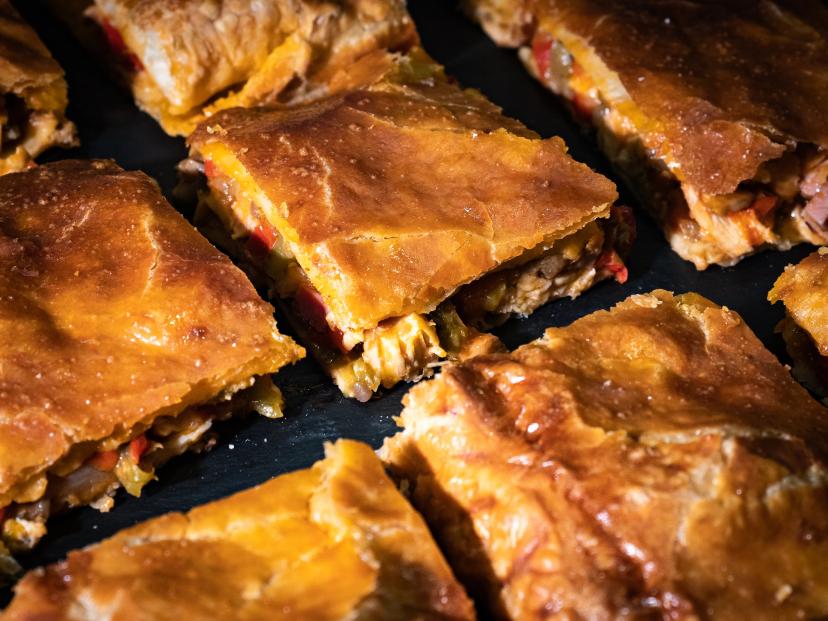
Spanish typical Galician empanada

Empanada Gallega

Large savory pie with wheat or corn dough filled with various ingredients—traditional fillings include tuna with peppers, cod with raisins, pork loin, or scallops (vieiras, the Saint James symbol). The word derives from "empanar" (to coat in bread). Galician families prepare empanadas for festivals and Sunday meals. Hand-sized portions sold in bakeries and bars as convenient portable lunch—medieval pilgrims likely ate similar preparations while traveling. Fillings vary by season and whether the town is coastal or inland. Dough can be wheat or corn.

Galician cuisine ambushes you in the final 100 kilometers. Suddenly every menu features octopus, every bar serves Padrón peppers, every bakery displays the Cross of Saint James stenciled in powdered sugar. This isn't coincidence—it's cultural preparation for arrival.

Medieval pilgrims noted these exact transitions as journey milestones. The food marked progress as reliably as distance stones. When you taste your first pulpo a la gallega in Melide, you're not just eating regional food—you're participating in a ritual centuries old, where octopus consumption signals proximity to Santiago.

The pilgrim menu system proves its worth here: ~€10-15 buys three courses, wine, bread, and participation in Spain's most elaborate hospitality tradition. Splurge occasionally on regional specialties, but trust the pilgrim menu for authentic daily sustenance. The infrastructure works because it's been refined across generations of hungry walkers, each one teaching restaurants exactly what pilgrims need.
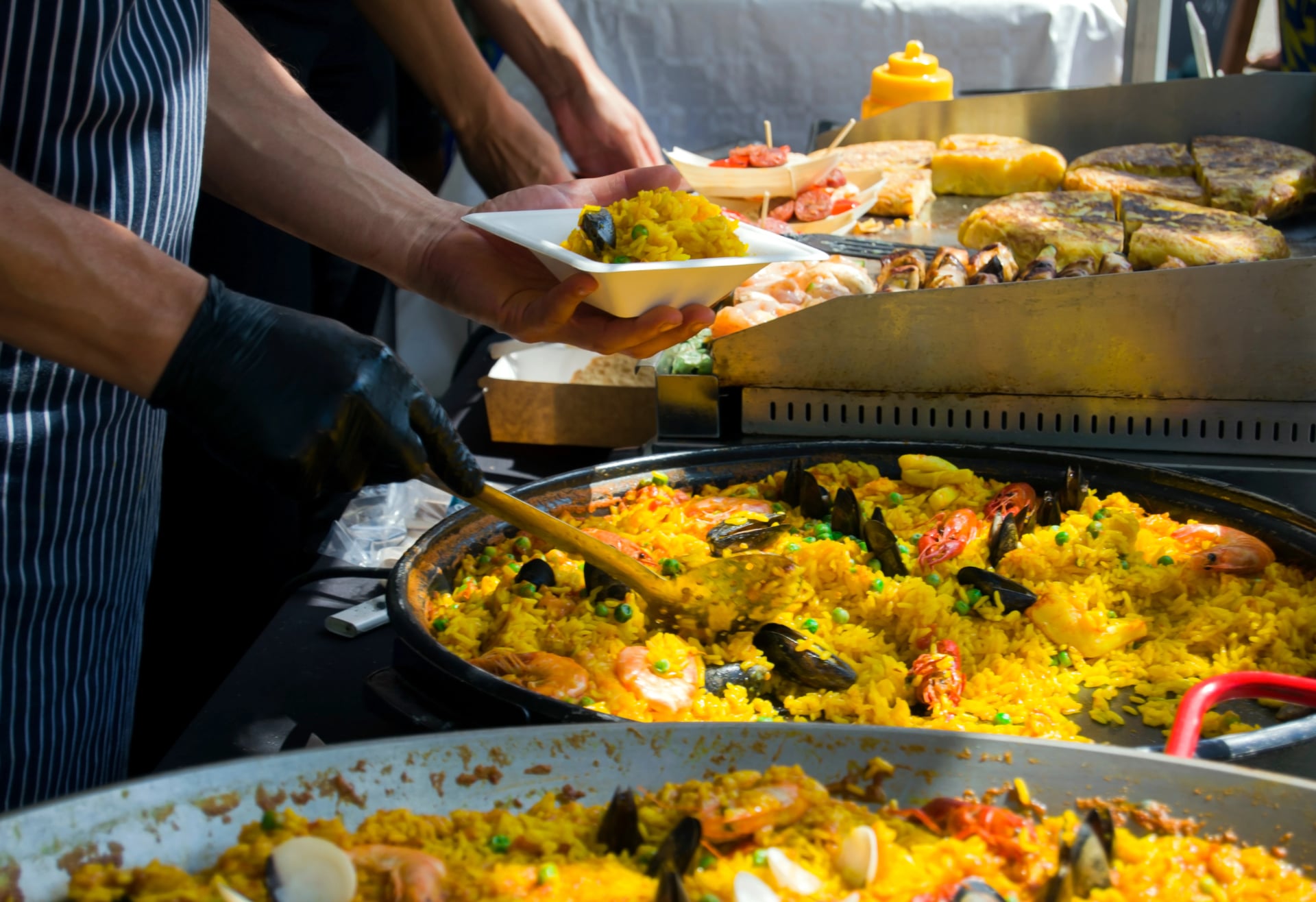
Spanish paella prepared in the street restaurant.
Experience the perfect balance of authentic daily sustenance and rich Spanish hospitality

Portugal: Coastal Flavors of the Camino Portugués

The Camino Portugués offers something the Spanish routes can't—two countries in one journey. Starting in Lisbon or Porto means 400 kilometers through Portugal before Spain, creating a double cultural transition that most pilgrims never experience.

Portuguese food culture emerged from Atlantic necessity. As the world's largest cod consumer despite having zero cod in Portuguese waters, Portugal built an entire cuisine around imported bacalhau—salted fish sailing from Newfoundland banks since the 1500s. This isn't stubbornness; it's culinary identity forged through maritime empire.

The coastal route provides what 30,000 annual pilgrims discover: fishing villages where boats unload morning catches directly to restaurants, where soup refills come free, where custard tarts cost less than bottled water. Portuguese hospitality operates on different economics than Spanish—€8-12 pilgrim menus are standard, portions are massive, and sharing food isn't suggested, it's assumed.

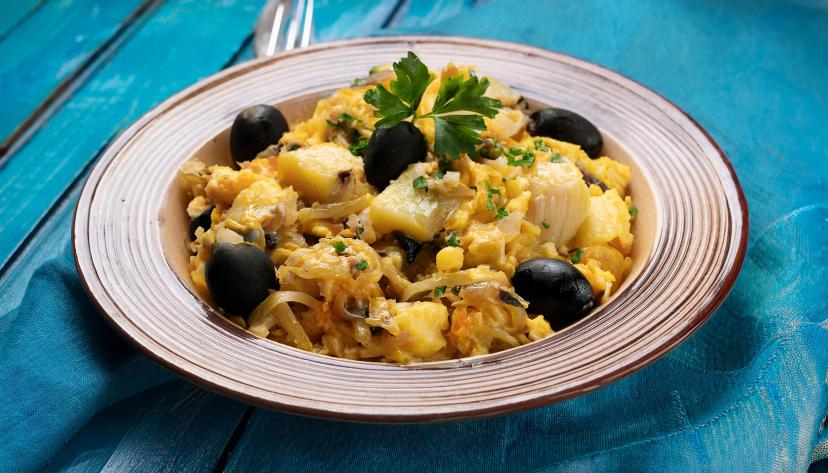
A plate of Bacalhau à Brás, a traditional Portuguese dish made from shredded salted codfish, mixed with crispy potatoes, onions, and scrambled eggs.

Bacalhau à Brás

Salted cod shredded and sautéed with matchstick-cut fried potatoes, onions, and scrambled eggs, finished with black olives and parsley, representing Portugal's most iconic ingredient prepared in accessible everyday style. The dish originated in Lisbon's Bairro Alto district in the late 1800s as tavern food. Bacalhau requires 24-48 hours soaking before cooking to remove excess salt from the preservation process—restaurants handle this lengthy preparation. Portuguese claim 365 bacalhau recipes, one per day of the year. Available throughout Camino Portugués.

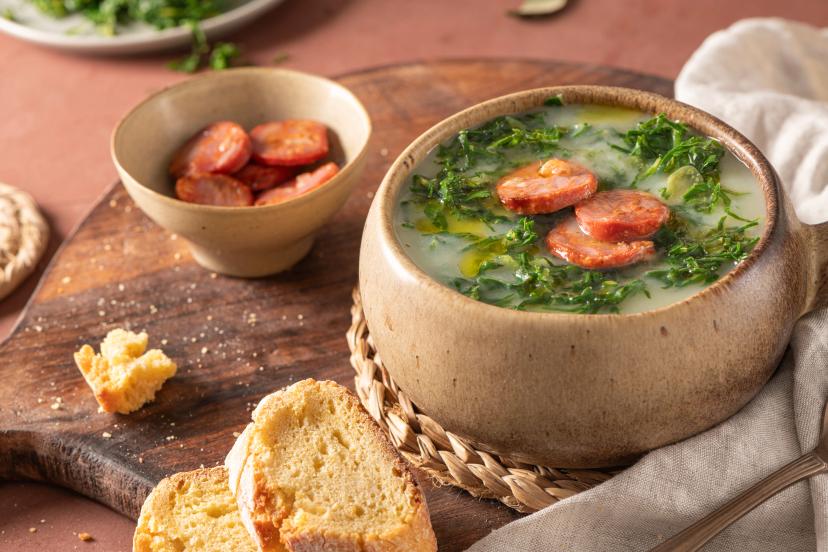
Caldo verde popular soup in Portuguese cuisine. Traditional ingredients for caldo verde are potatoes, onion, garlic, collard greens, chorizo , olive oil and salt.

Caldo Verde

Portuguese green soup combining finely shredded kale or collard greens, potatoes pureed into the broth, olive oil, and sliced chouriço sausage, originating in the Minho region of northern Portugal which the Camino Portugués crosses. The soup dates to medieval times as peasant staple using garden vegetables. Every restaurant offers it, particularly common in pilgrim menus as economical, filling starter course. Often unlimited refills included, making it excellent value for hungry pilgrims needing substantial portions.

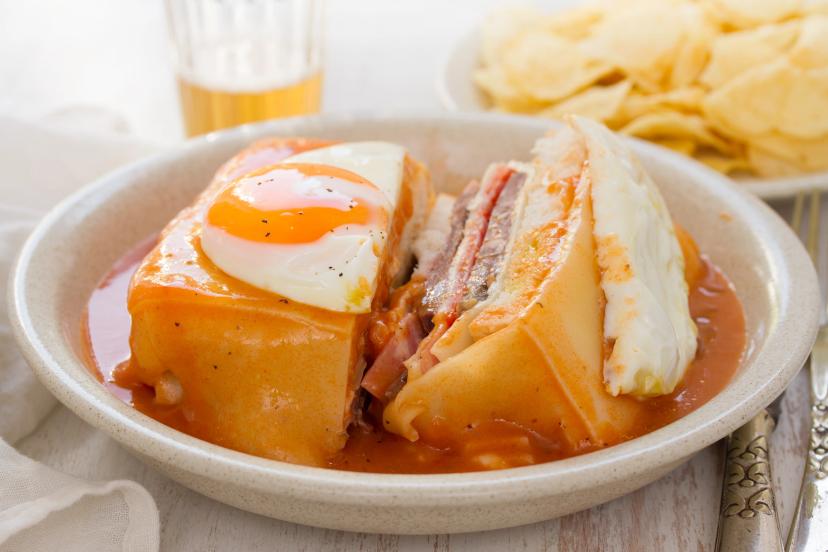
traditional portuguese sandwich with sauce francesinha on dish

Francesinha

Porto's signature dish: sandwich layered with wet-cured ham, linguiça sausage, fresh sausage, and steak, covered with melted cheese and smothered in hot tomato-beer sauce, typically topped with fried egg and served with french fries on the side. The name means "little Frenchie," allegedly invented in the 1960s by returned immigrant adapting French croque-monsieur to Portuguese tastes and portions. Not light hiking food—massive, rich, designed for serious hunger after demanding stages or as celebration meal. Porto restaurants compete fiercely over secret sauce recipes passed down through families.

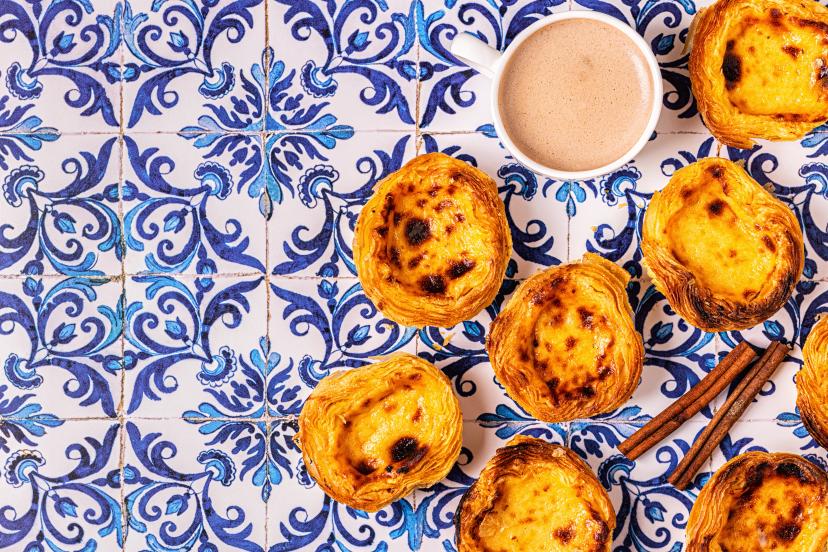
Egg tart, traditional Portuguese dessert, pastel de nata.

Pastel de Nata

Portuguese custard tart with flaky puff pastry shell and creamy egg custard center, slightly caramelized on top, created by monks at Jerónimos Monastery in Lisbon before the 1800s. Original recipe remains closely guarded secret, sold exclusively at Pastéis de Belém bakery in Lisbon since 1837, though versions appear throughout Portugal with varying quality. Monks used egg whites for starching clothes—surplus yolks became desserts and pastries. Best consumed warm from the oven, lightly dusted with cinnamon and powdered sugar according to personal preference.

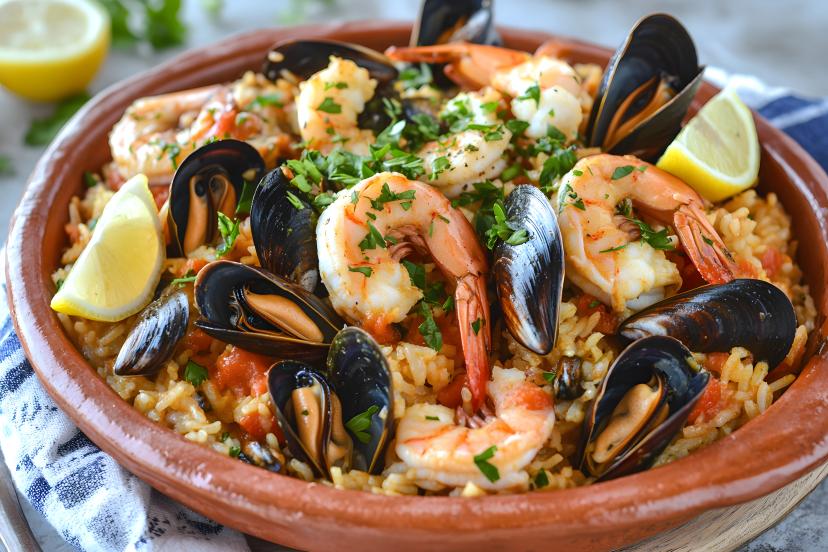
Traditional Portuguese Arroz de Marisco: Vibrant seafood rice with mussels, clams, prawns, and saffron in a clay dish.

Arroz de Marisco

Portuguese seafood rice combining multiple shellfish types (clams, mussels, prawns, sometimes crab or lobster) cooked in tomato-based broth with rice absorbing flavors until achieving slightly soupy consistency—wetter than Spanish paella, drier than Italian risotto. The dish represents Portugal's maritime traditions and appears frequently along the coastal Camino Portugués route where daily catches from fishing boats supply fresh ingredients directly. Preparation varies significantly by region and season based on available seafood and local preferences.

Portuguese Camino food follows a simple principle: the closer to the Atlantic, the better the seafood, the better the value. The coastal route keeps you within 50 kilometers of ocean for 90% of the journey, meaning daily access to fishing villages where prices reflect local economics, not tourist demand.

Caldo verde appears everywhere—not because restaurants lack imagination but because it works. Cheap, filling, infinitely scalable, served with unlimited refills in most places. This is hospitality through repetition, the Portuguese version of pilgrim menu infrastructure. The food culture emphasizes sharing at a level Spain doesn't match—family-style platters, communal tables, portions sized for three when you ordered for one. Solo pilgrims integrate effortlessly into this system. The Portuguese don't just feed you; they include you, which makes the transition back into Spanish Galicia feel oddly isolating despite the shared language.

Wine tap in Irache winery, Road to Santiago de Compostela, Navarre, Spain
Follow the signs to the legendary wine fountain and toast to your progress across the Rioja region

Wine Along the Way: Five Essential Bottles

The Camino crosses Spain’s, France’s and Portugal’s premier wine regions, where vineyards have supplied pilgrims for centuries and modern walkers encounter exceptional value—€2-4 glasses in bars, €6-12 bottles in restaurants. Medieval monasteries cultivated these vines, creating the infrastructure that evolved into today's wine routes. From Basque txakoli to Galician albariño, the journey traces Spain and Portugal's viticultural diversity through bottles that pair perfectly with regional cuisine and celebrate the day's walking.

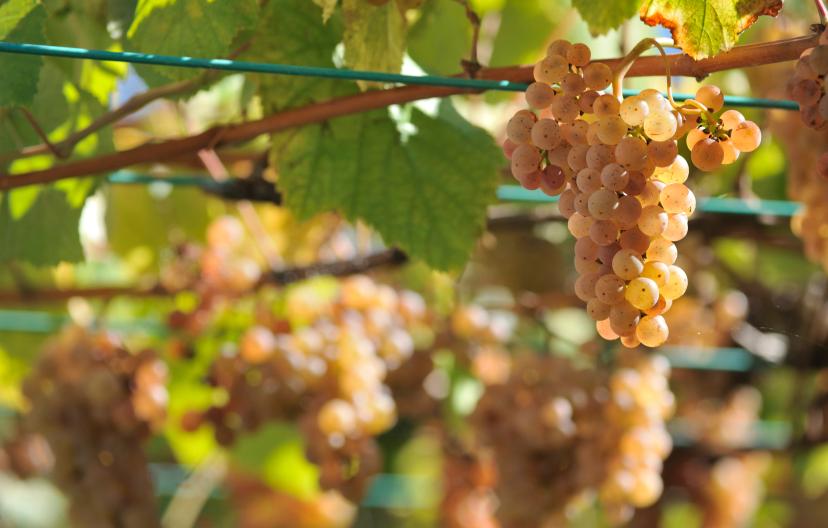
Albarino grapes and vines in Galicia, Spain

Albariño

Galicia's signature white wine from Rías Baixas near the Portuguese border, cultivated by medieval monks for communion wine. Crisp, acidic, with citrus and stone fruit flavors, sometimes subtle salinity from coastal proximity. Revolutionized Galician viticulture in the 1980s from bulk wine to premium product. Pairs perfectly with pulpo a la gallega, percebes, and any Galician seafood—the acidity cuts through richness while complementing delicate ocean flavors. Appears on every restaurant wine list in the final 100 kilometers approaching Santiago, typically served chilled in small ceramic cups (cunca) in traditional bars.

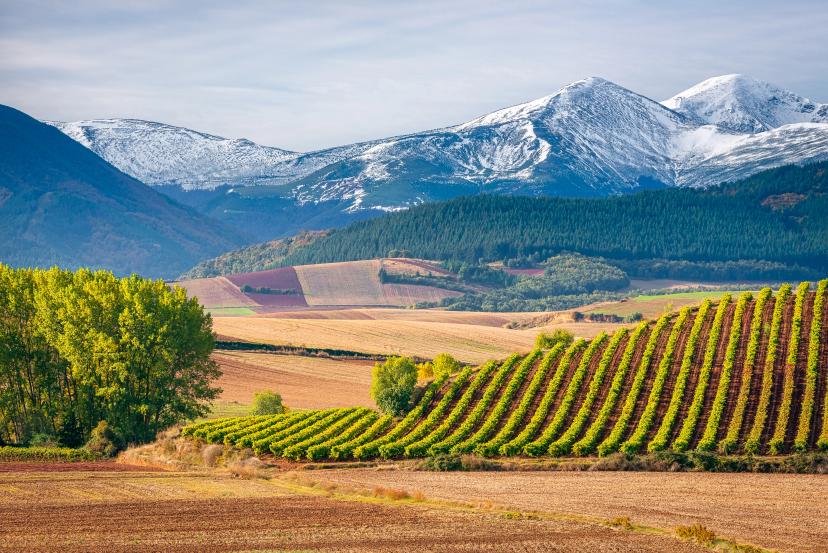
Vineyards with San Lorenzo mountain as background, La Rioja, Spain

Rioja

Spain's most internationally recognized wine region, crossed by the Camino Francés between Logroño and Santo Domingo de la Calzada through vineyard landscapes producing wine since Roman times. Tempranillo grape dominates, aged in oak barrels creating vanilla and spice notes. Crianza (minimum two years aging) offers best value at €8-12 bottles. Region's monasteries—particularly San Millán de la Cogolla—pioneered Spanish winemaking techniques. Pairs excellently with roasted lamb, chorizo, aged Manchego cheese, and bean stews.

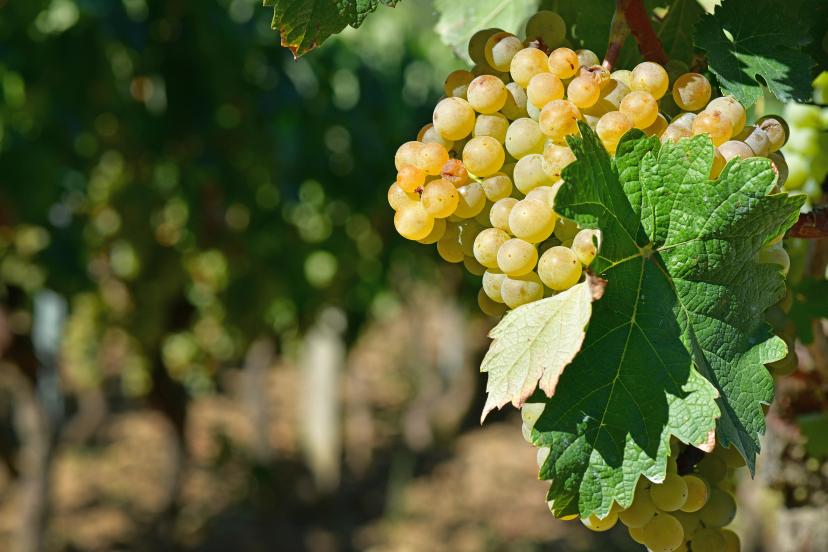
Galician white grape on the vine

Ribeiro

Historic Galician wine from Miño River valley near Ribadavia, predating albariño as Galicia's original quality wine. Production dates to Roman occupation, supplied Spanish royal court during medieval peak. Made from Treixadura grape, lighter and more mineral-driven than albariño with herbal notes and crisp finish. Nearly disappeared during Franco era, experiencing renaissance since 1990s through small producers. Pairs naturally with river fish, caldo gallego, empanadas, and mild Galician cheeses. Often served in ceramic cups in village bars throughout inland Galicia.

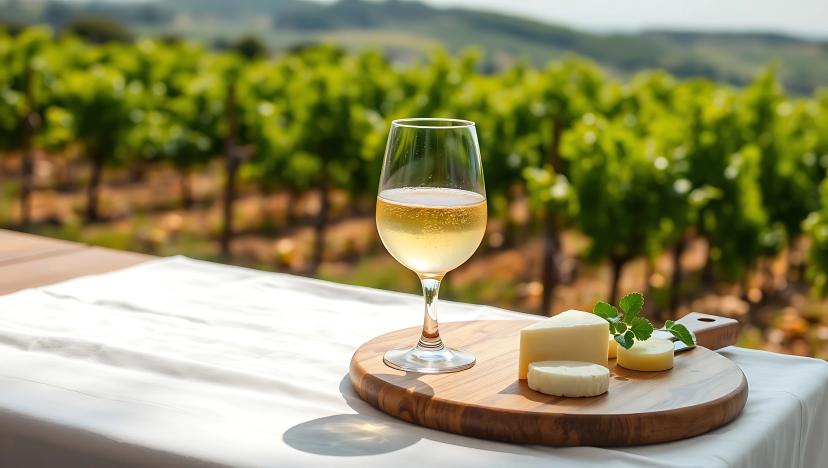
Glass of Vinho Verde sitting on a white linen cloth with a cheese board beside it, background softly blurred vineyard, natural sunlight

Vinho Verde

Portugal's "green wine" named for young consumption, released months after harvest rather than aged. Produced in Minho region where Camino Portugués traverses. Typically white, slightly effervescent, low alcohol (8-11%), refreshingly acidic with citrus and green apple flavors. Tradition emerged from poor families drinking current vintage while selling aged wines for income. Pairs perfectly with bacalhau dishes, grilled sardines, caldo verde, and presunto ham. Extremely affordable (€3-6 bottles), ideal daily wine for budget-conscious pilgrims. Best consumed well-chilled.

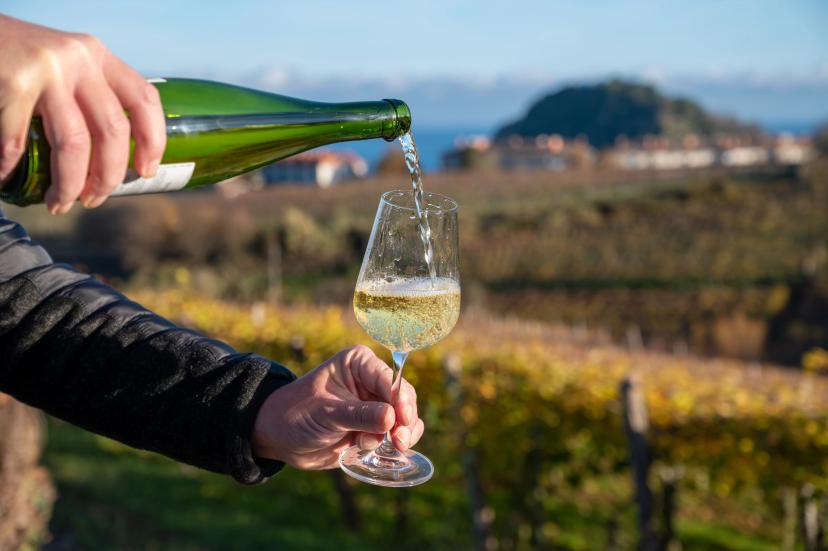
Pouring of txakoli or chacolí slightly sparkling very dry white wine produced in Spanish Basque Country on vineyards in Getaria in autumn, Spain

Txakoli

Basque country's indigenous white wine, slightly sparkling, high-acid, low-alcohol, poured from height in traditional bars to aerate and enhance effervescence. Produced from Hondarrabi Zuri grape on coastal hillsides where Camino del Norte passes. Dates to 1400s when Basque sailors valued its resistance to spoilage. Nearly extinct by 1980s, saved by cultural revival recognizing it as essential Basque identity marker. Bone-dry, citrusy, saline notes from ocean proximity. Pairs classically with pintxos, anchovies, idiazabal cheese, and seafood. The dramatic high-pour service creates theater and tradition.

Wine weaves through the Camino experience as naturally as the path itself, offering daily opportunities to taste centuries of viticultural tradition without premium pricing. A €3 glass of albariño in a Santiago bar connects you to the same monastic vineyards that sustained medieval pilgrims, while Rioja's wine fountains continue hospitality traditions eight centuries old.

The progression from Basque txakoli through Rioja's tempranillos to Galician whites mirrors your physical journey, each region's bottle telling stories of climate, culture, and the generous spirit that defines pilgrimage. Whether celebrating arrival with Portuguese vinho verde or toasting new trail friends over Ribeiro, these wines transform daily refreshment into memorable ritual—proof that the Camino nourishes body, spirit, and palate in equal measure.
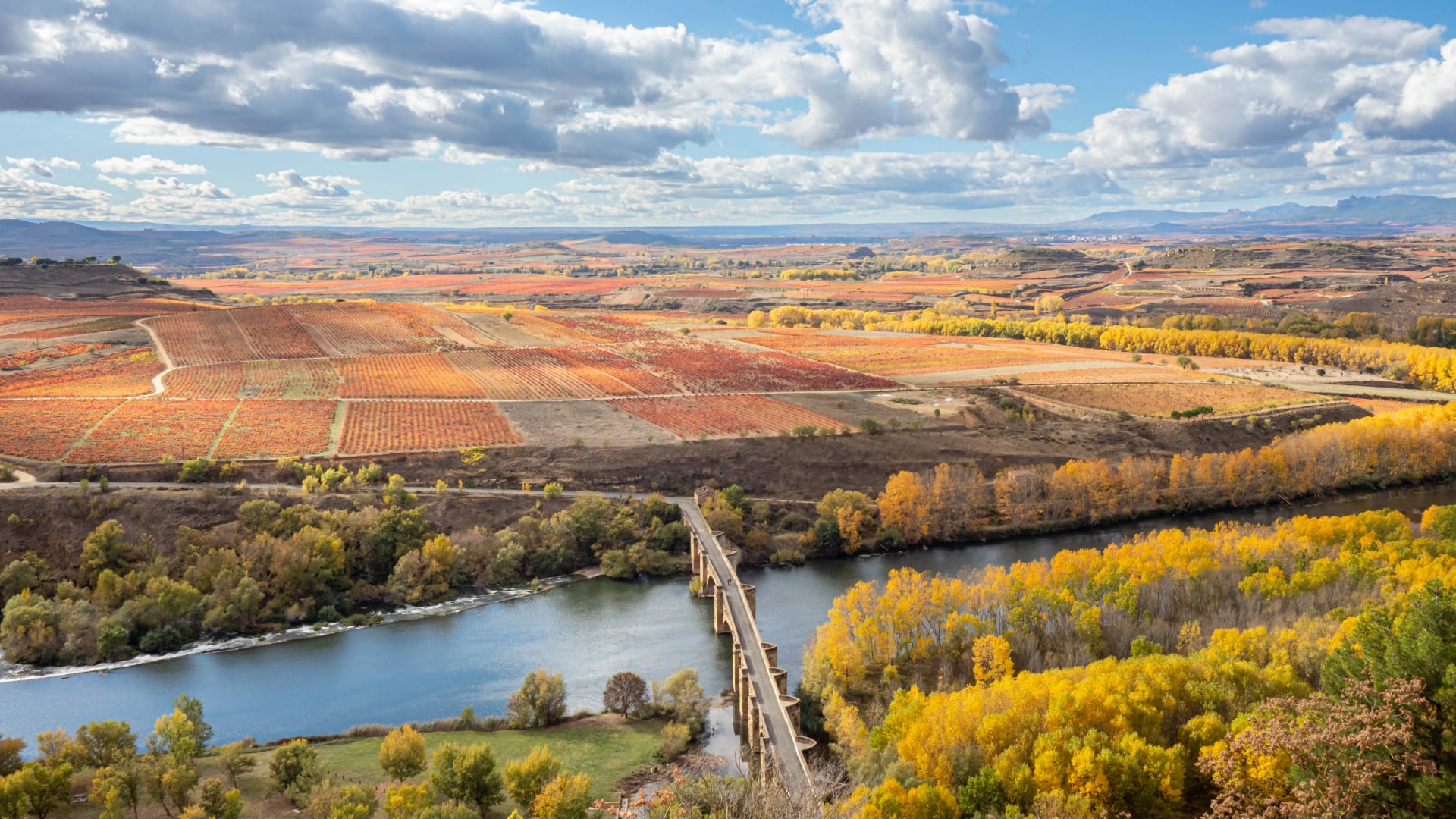
Puente medieval que cruza el rio Ebro a su paso por San Vicente de la Sonsierra, en la Rioja, España
Walk through golden vineyards that have supplied local pilgrims with fine wine for eight centuries

Free Wine on Camino

Did you know that the Camino features several free wine fountains along the route? With the most famous at Bodegas Irache near Estella (roughly 30km after Pamplona on the Francés). Since 1991, this winery has maintained two taps outside their facilities—one flowing red wine, one flowing water—available 24/7 for passing pilgrims to fill bottles or cups.

The fountain honors medieval monastic tradition when monks provided wine as safer alternative to questionable water sources and essential nutrition for walking pilgrims. Modern etiquette suggests taking a glass to toast your journey rather than filling entire bottles, though enforcement relies on pilgrim courtesy. Signs remind visitors that wine is "to drink, not to bathe in" after some enthusiastic celebrations went overboard.

A second wine fountain operates in Villamayor de Monjardín, and various churches occasionally offer wine during festivals. These fountains represent living continuity of eight-century-old hospitality—monasteries fed and fortified pilgrims with local wine, and the tradition persists today through generous wineries maintaining the spirit of Camino welcome.
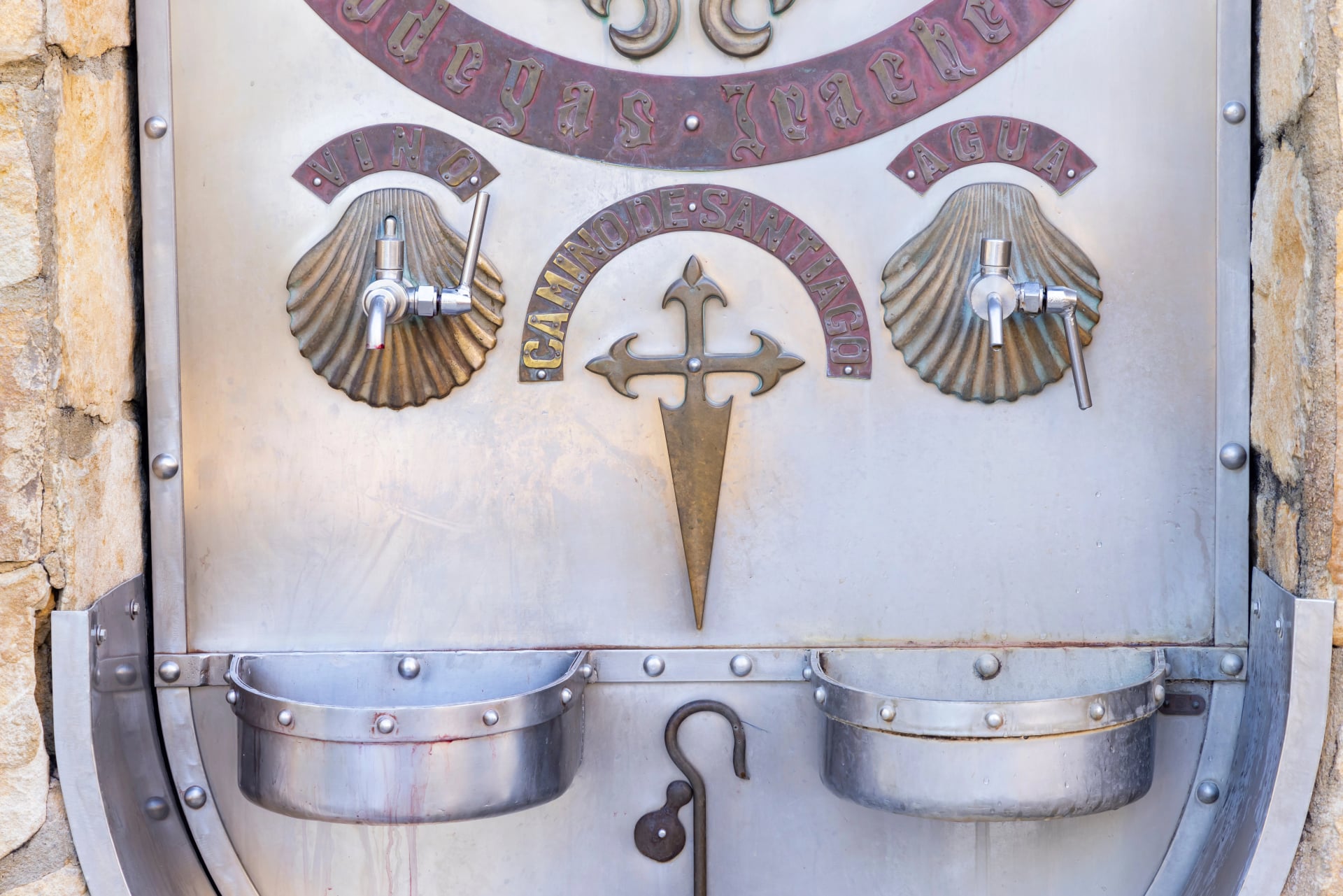
Wine and water tap in Irache winery, Road to Santiago de Compostela, Navarre, Spain
Salute to your journey with a glass of free wine from fountains like these!

Tips for Packing Food for the Trail

1. Don't Overpack Food

This is the single most common pilgrim mistake. Every village along major routes has bars, cafes, small supermarkets (Día, Eroski, Lidl, Mercadona), bakeries, and fruit stands where you can resupply daily. Carrying more than one day's snacks adds unnecessary pack weight.

2. Essential Trail Snacks to Buy

  • Fresh fruit (oranges, apples, bananas) from markets or corner stores

  • crusty bread and cheese from bakeries and supermarkets

  • chorizo or jamón serrano from charcuteries

  • almonds, walnuts, or trail mix from supermarkets

  • chocolate bars for emergency energy

Pilgrims from the Camino de Santiago arrive at the Plaza del Obradoiro because they have finished their pilgrimage
Fuel your day with empanadas and bocadillos bought fresh from local morning bakeries

3. Albergue food service varies significantly

Most albergues don't offer breakfast or packed lunches. Municipal albergues rarely provide meals beyond sometimes offering communal dinner (€8-12, must reserve ahead). Private albergues and some religious albergues serve optional pilgrim dinners and occasionally breakfast (toast, coffee, juice for €3-5). Some upscale private albergues offer packed lunch service if requested the night before (€5-8). Never assume food availability at your accommodation—always ask when checking in.

4. Morning routine

Most pilgrims stop at the first bar/cafe after leaving their albergue (usually within 15-30 minutes walking) for coffee and tortilla española, tostada (toast with tomato and olive oil), or croissant. This costs €3-5 and eliminates the need to carry breakfast foods. For comprehensive packing guidance including what gear and supplies to bring, see our packing guide. If you're concerned about food availability on less-traveled routes, for specific advice on your chosen Camino.

Smart strategy: Carry only energy bars or dried fruit for emergencies when stages run long between villages, plus a piece of fruit and sandwich ingredients for planned lunch stops. Buy everything else as you go, supporting local businesses and keeping your pack light.

Food, Fellowship, and the Pilgrim Experience

The three-country culinary journey demonstrates how food traditions follow pilgrimage geography—monastery origins, agricultural patterns, and trade routes created regional cuisines modern pilgrims experience largely unchanged. Medieval continuity persists in these dishes, many remaining essentially identical for centuries.
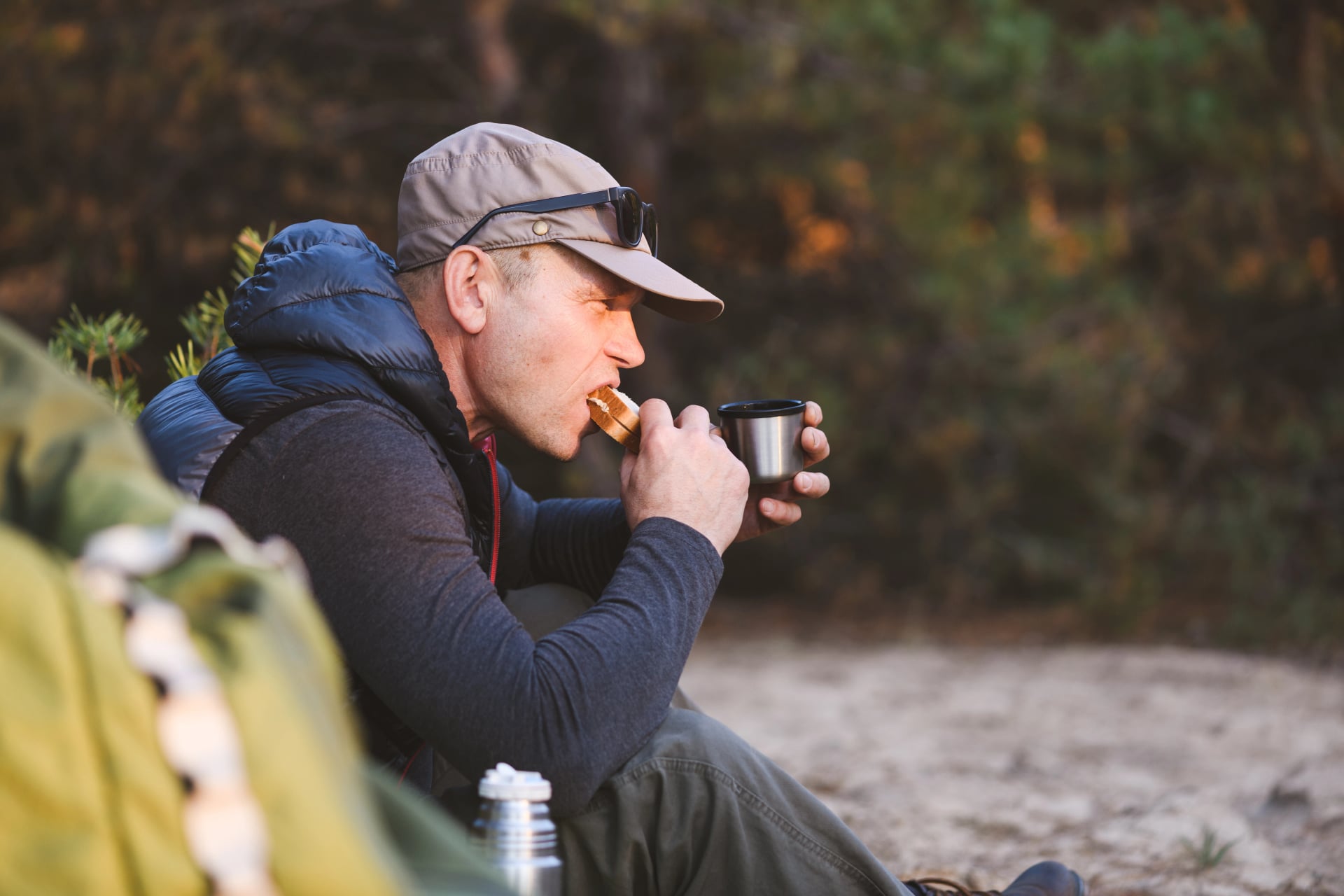
Mature male hiker eating sandwich close up
When booking with us, our team provides you with a list of all the best food stops along your way

Ready to experience the Camino? Explore our complete range of Camino tours to find the route that calls to you. If you'd like to emphasize gastronomy and culinary experiences on your journey—perhaps adding wine tastings, cooking classes, or premium restaurant reservations—we can customize any tour to match your interests. Schedule a meeting with us to discuss creating a gastronomy-focused Camino experience tailored to your tastes.

Camino, the way
Camino de Invierno Guide

The Winter Way guide: quieter Ponferrada–Santiago route, stages, highlights, food, weather, and planning tips for a smooth, scenic pilgrimage.

17 min read

Read more
Tourist Woman On Pilgrimage At Santiago De Compostela With Phone
Things to Do in Santiago de Compostela: Post-Camino Activities

Things to do in Santiago de Compostela after the Camino—main sights, food spots, cultural experiences, and how to plan 2–3 days post-finish.

5 min read

Read more
Monumento peregrino
The Complete Off-Season Camino Guide

Cold, quiet, rewarding winter Camino de Santiago planning with weather truth, safer route picks, packing essentials, and off season lodging tips.

10 min read

Read more
Albergue Hostel Tenant Putting Stamp in Pilgrim Passport Credencial on Camino de Santiago St James Way Pilgrimage Trai
Pilgrim Offices on the Camino

Camino pilgrim offices made simple—services offered, credential help, stamps, route guidance, and what to expect at starting points and key towns.

4 min read

Read more
Pilgrim man checking his Pilgrim Credential passport with stamps on Obradoiro square in Santiago de Compostela, Spain with Santiago de Compostela Cathedral — famous Camino de Santiago finish point
Camino Passports and Certificates: A Complete Guide

Understand Camino credentials fast: where to buy a pilgrim passport, stamp requirements for the last 100 km, and how to get the Compostela certificate.

6 min read

Read more
Older woman with short gray hair in front of sea cliffs in Ribadesella, Asturias, during a walk. old age and be fit.
Walking Camino de Santiago as a Senior

A complete guide to walking the Camino as a senior: route selection, difficulty and terrain, daily pacing, and recovery tips for a smoother Santiago finish.

17 min read

Read more
Couple of friends hiking foot hiker in front of a panoramic mountain scenery, vacation concept
Camino Footwear Guide: What Works Best

Choosing comfortable, reliable footwear that supports long walking days on the Camino, improves stability, and helps prevent common foot problems.

10 min read

Read more
Female pilgrim with backpack walking next yellow arrow and shell directing Camino WAY inspiring solo walk on famous Camino de Santiago, Praia de Oia embankment, Royal Monastery of Santa María de Oia
Walking the Camino Alone: Guide to a Solo Pilgrimage

Walk the Camino alone with confidence: solo safety facts, route and lodging strategy, social dynamics, and smart tips for freedom, pace, and peace of mind.

9 min read

Read more
Backpacker traveler fastening sternum strap on backpack and preparing for trekking at summertime sunny day.
Training for the Camino de Santiago

Preparing your body and mind for long walking days on the Camino, with practical guidance on endurance, recovery and realistic expectations.

10 min read

Read more
Explore the historic Camino de Santiago on our walking tours, ensuring a personal journey through Spain's rich landscapes and centuries-old pilgrim paths.

Have questions? Talk to us.

Anja Hajnšek
Usually replies within 1 hour!
Google ReviewsTripAdvisor Reviews
Portfolio brand of:World Discovery