Accommodation on Camino Explained
Explore the best Camino albergues, hostels, and hotels with practical tips on booking, prices, and what to expect, plus memorable stays across major routes.
Quick links
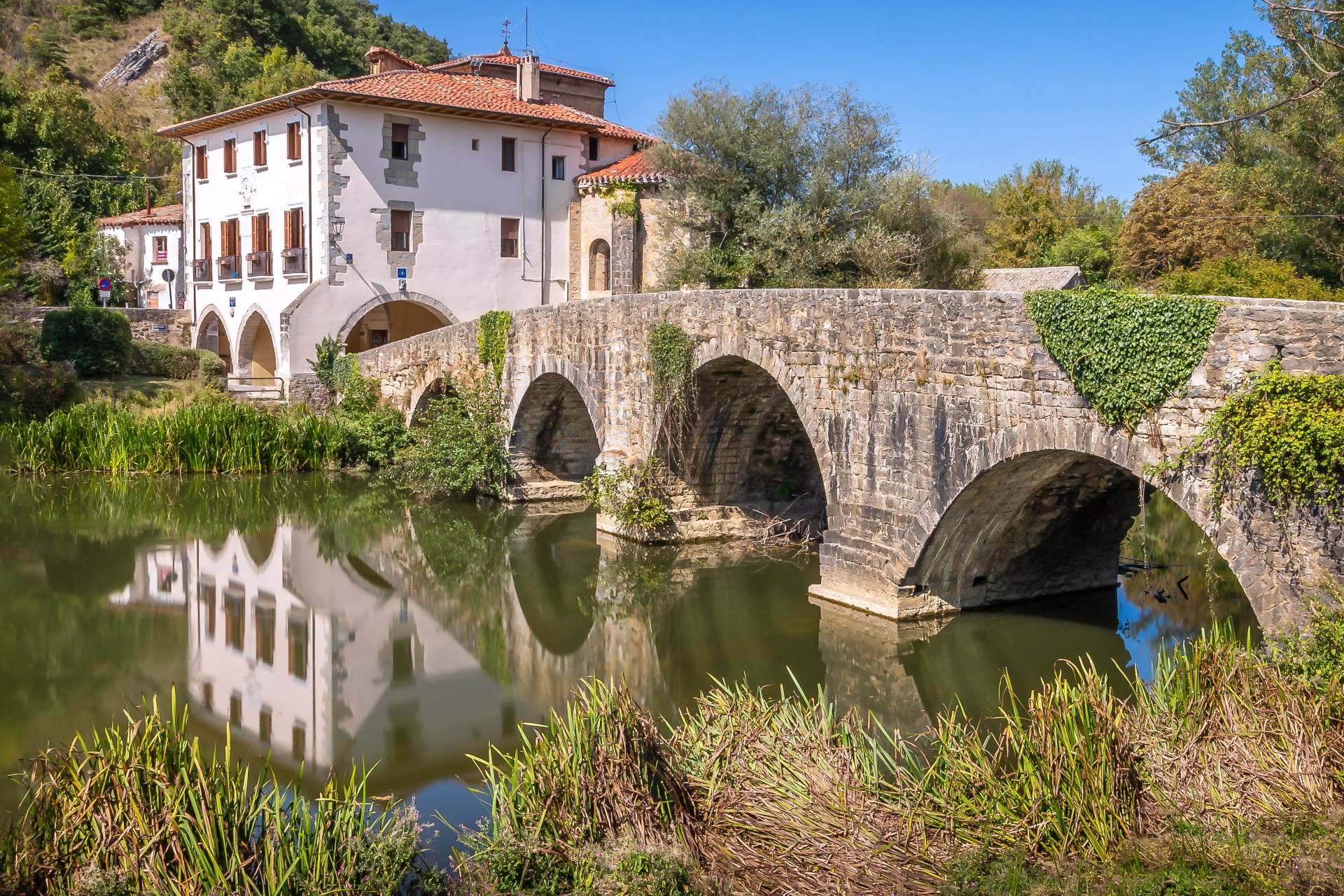
Where you rest your head each night profoundly shapes your Camino experience. The accommodations along these ancient pilgrimage routes aren't just places to sleep—they're where friendships form around communal dinner tables, where weary bodies recover in monastery cloisters, where strangers become Camino family over shared bottles of wine. For over 1,000 years, pilgrim hospitality has defined the Way of St. James, and today's accommodations continue this sacred tradition while offering options for every budget, comfort level, and travel style.
This guide highlights standout camino albergues, camino hostels, and camino hotels across major routes—the places pilgrims remember years later, the legendary stops mentioned in every guidebook, the hidden gems that locals recommend. Whether you're planning your first Camino or your fifth, these accommodations represent the best of pilgrim hospitality, each offering something special beyond just a bed for the night.
Understanding Camino Accommodation Types
Before diving into specific recommendations, understanding the accommodation landscape helps you make informed choices matching your budget, comfort needs, and desired Camino experience.
1. Albergues: Traditional Pilgrim Hostels
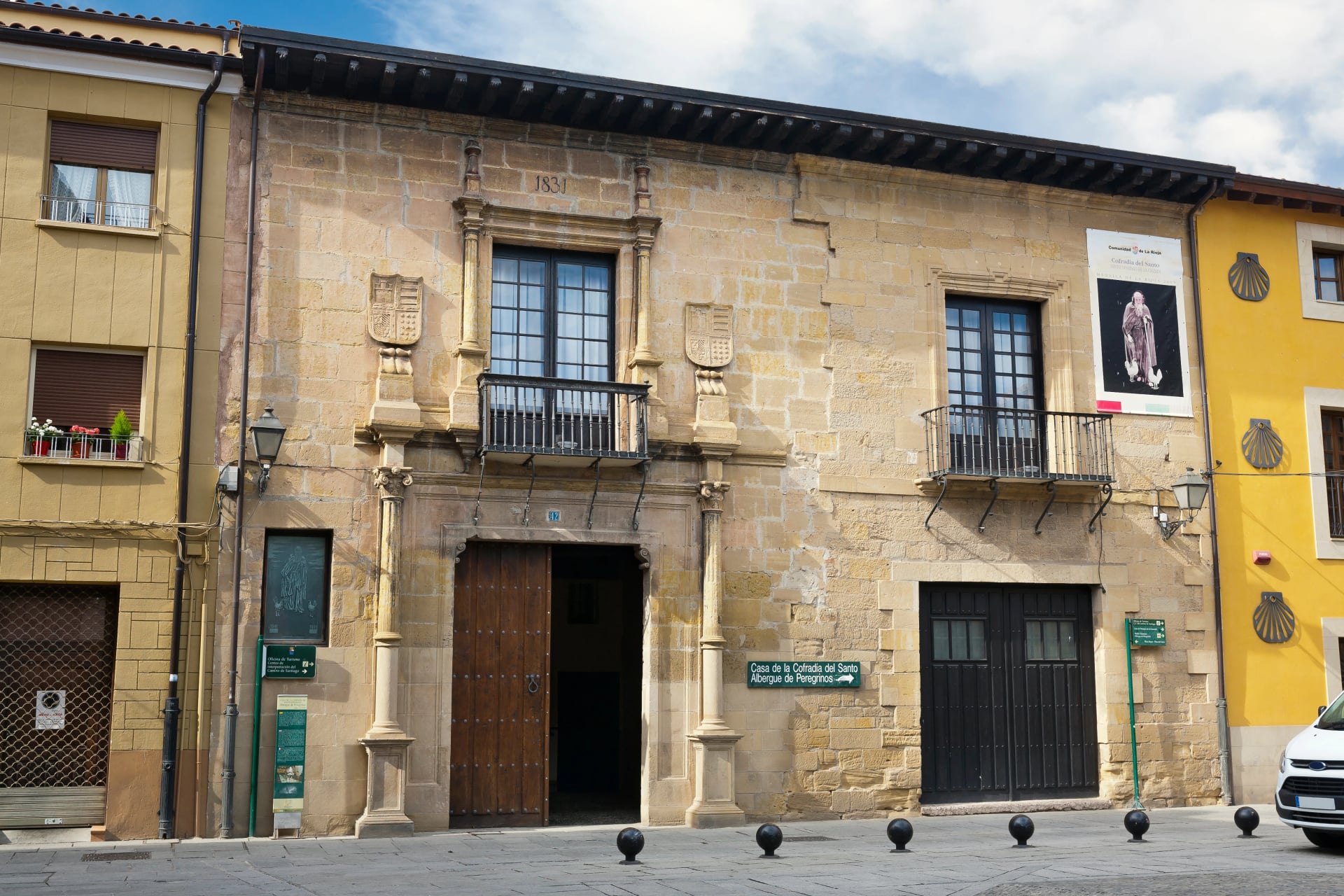
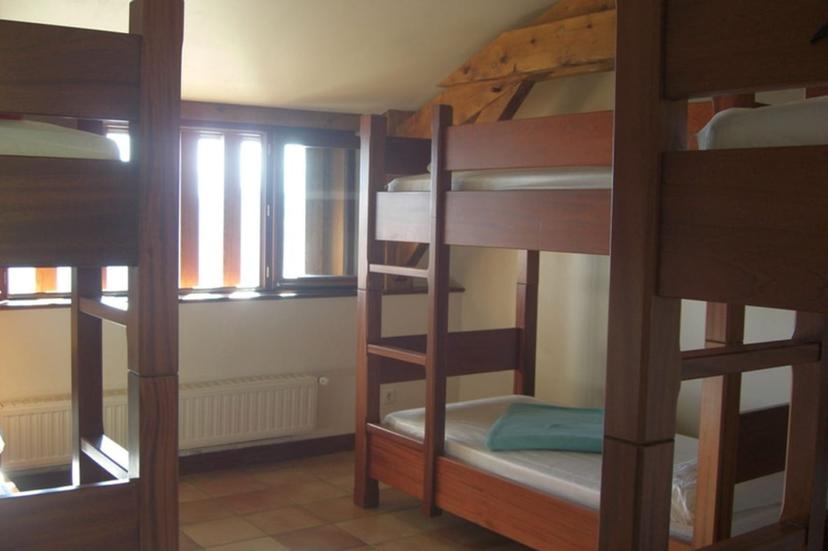
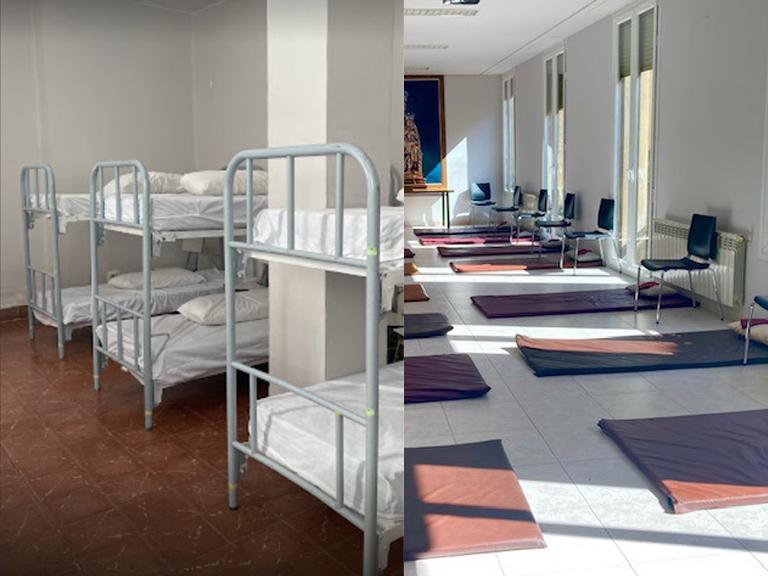
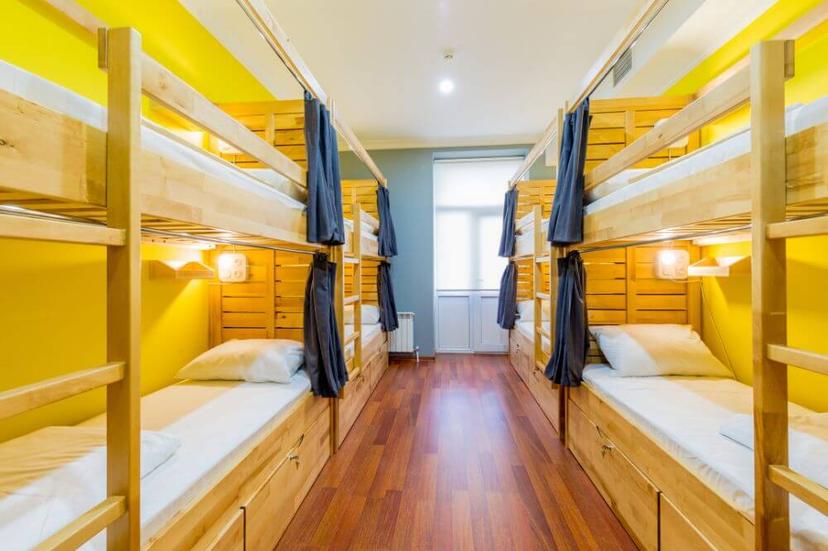
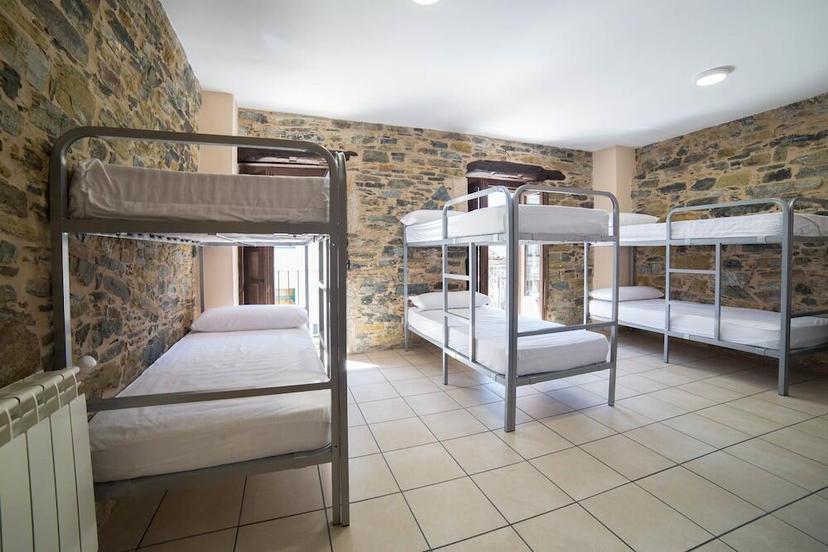
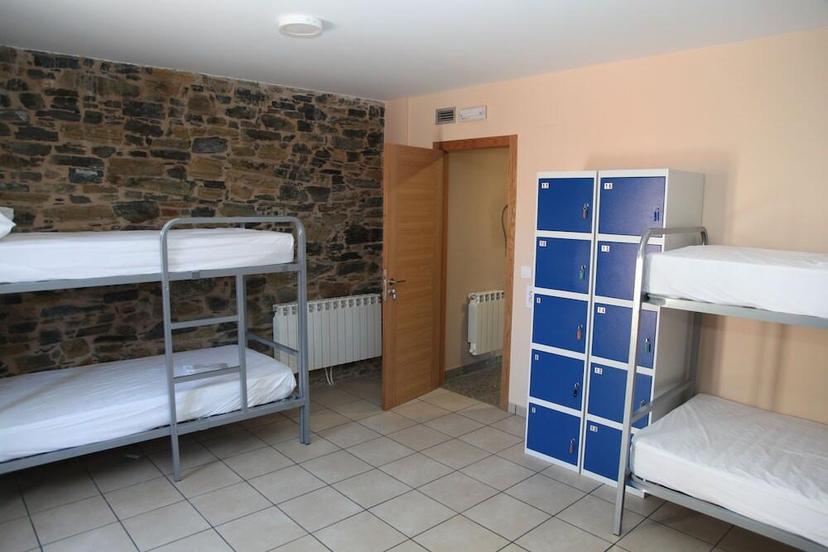
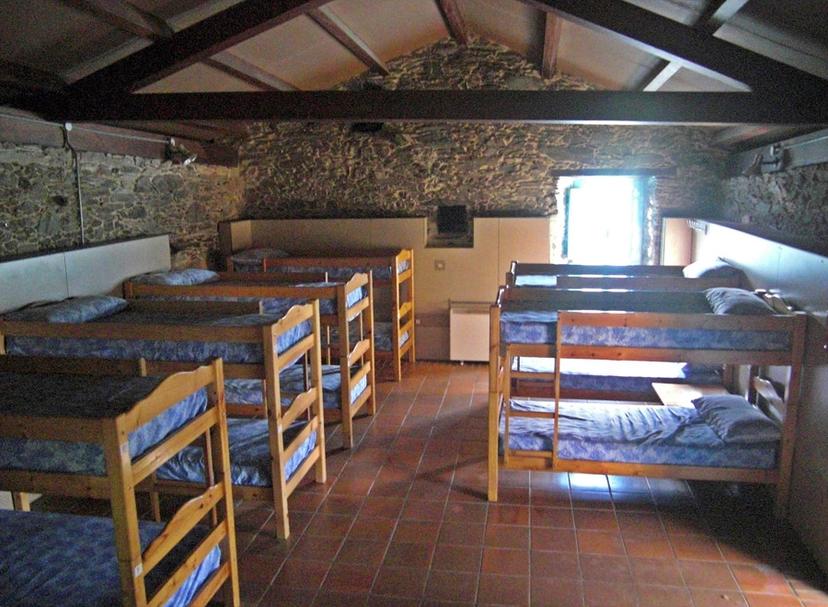
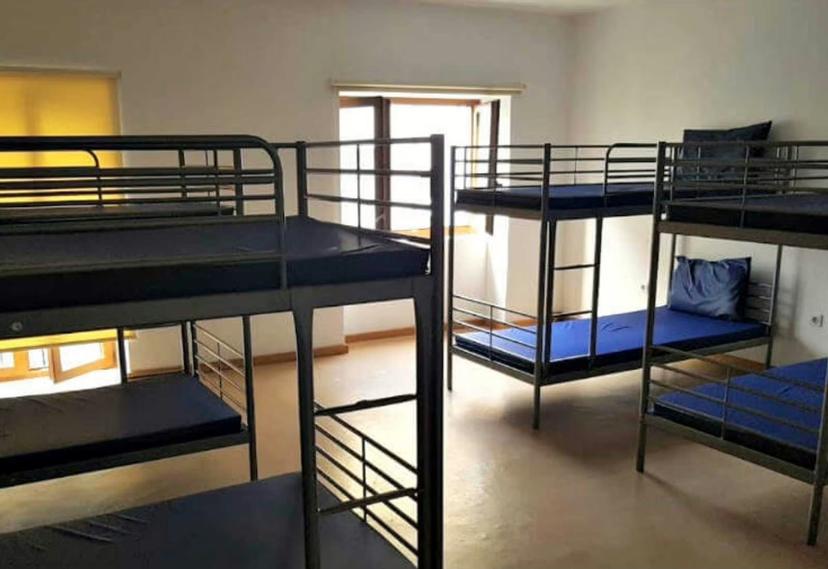
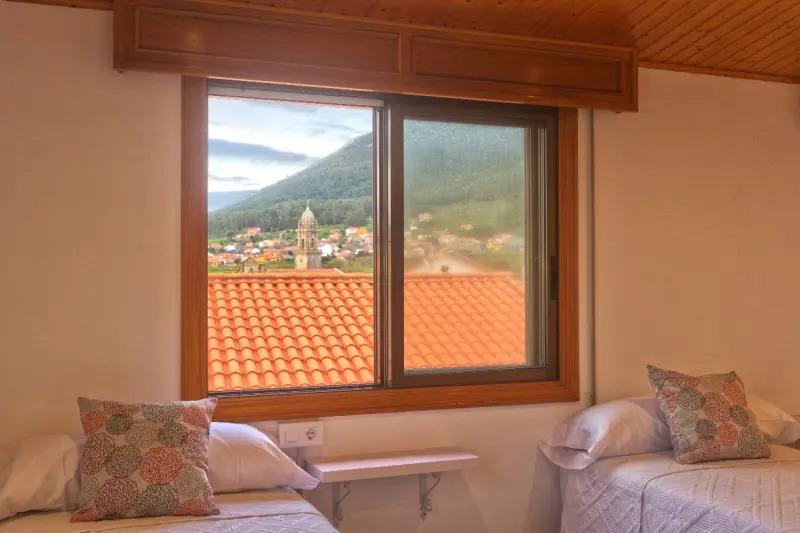
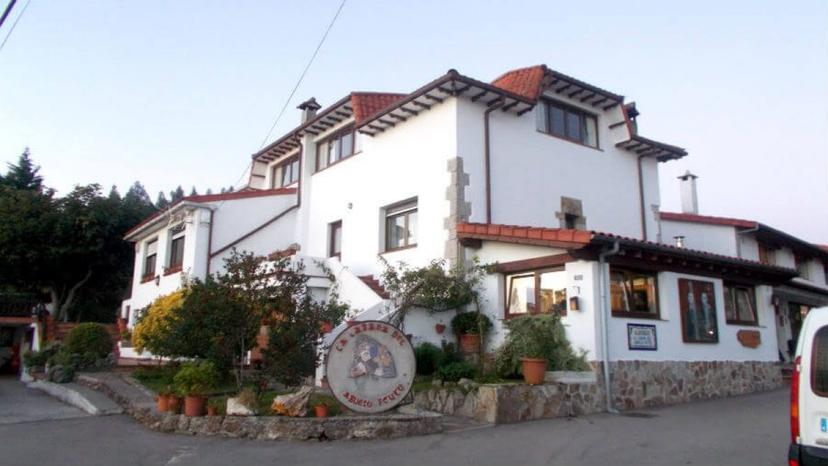
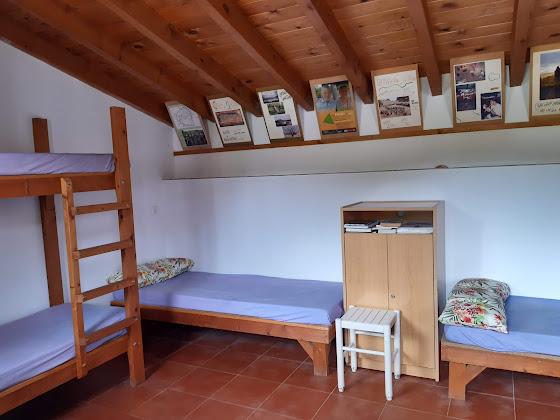
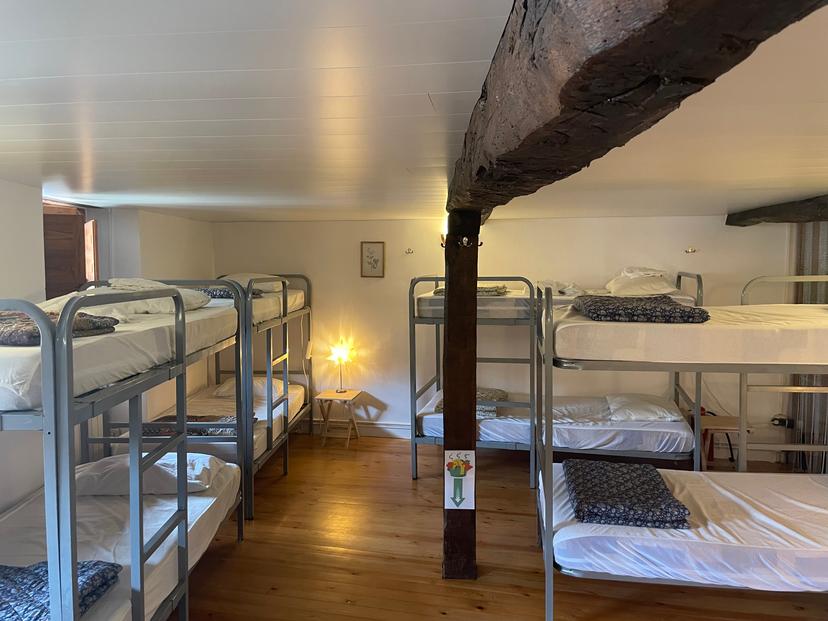
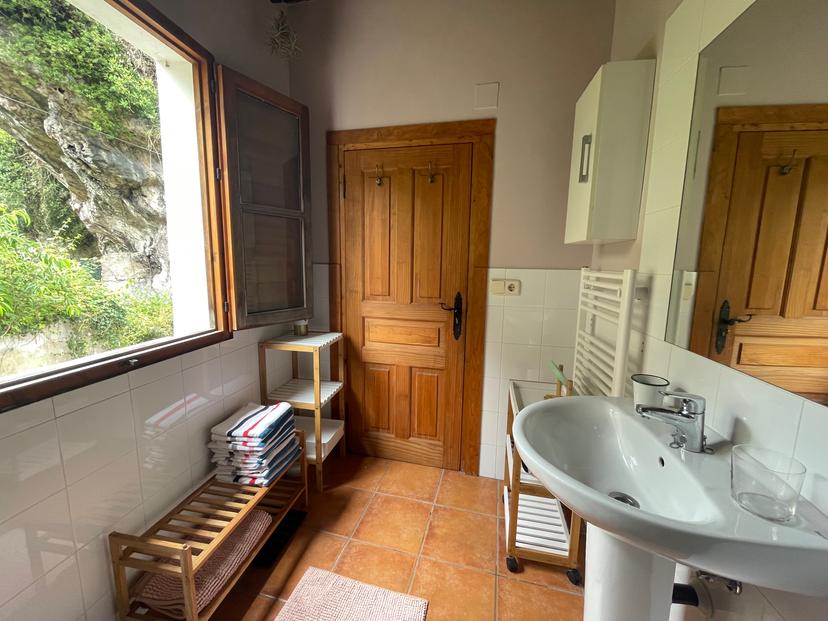
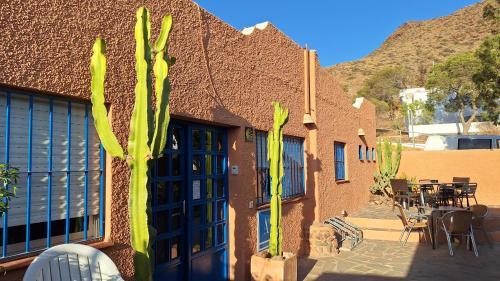
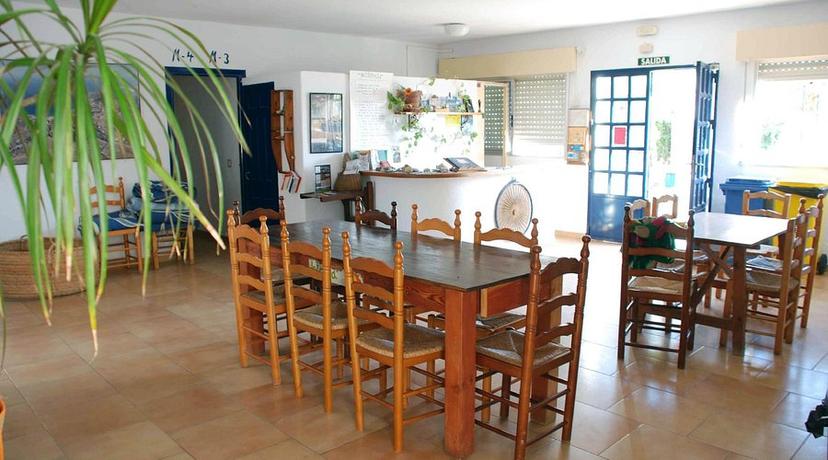
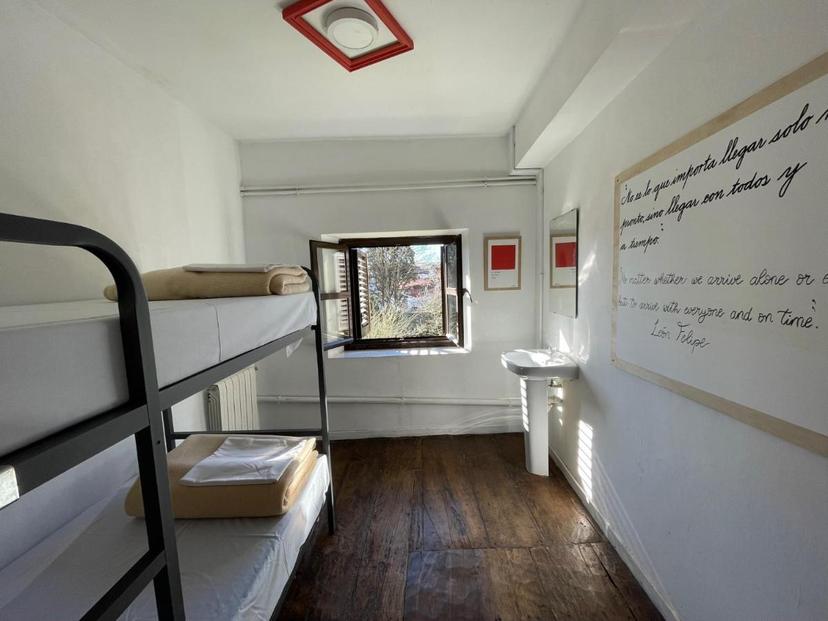
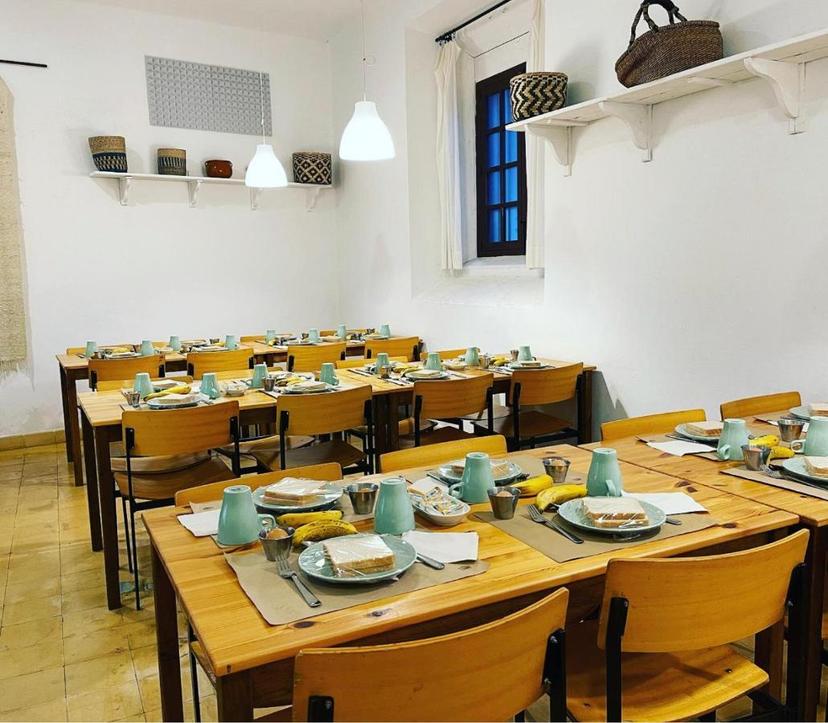
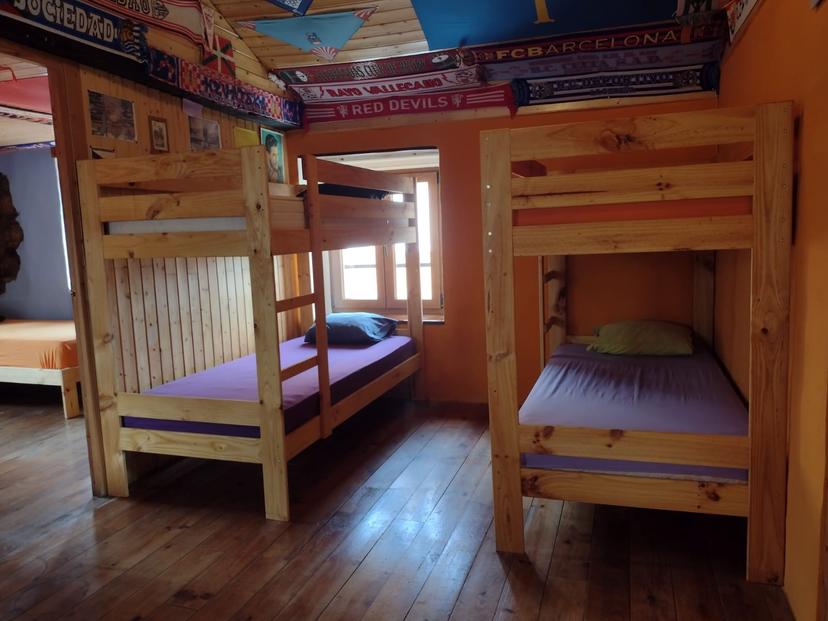
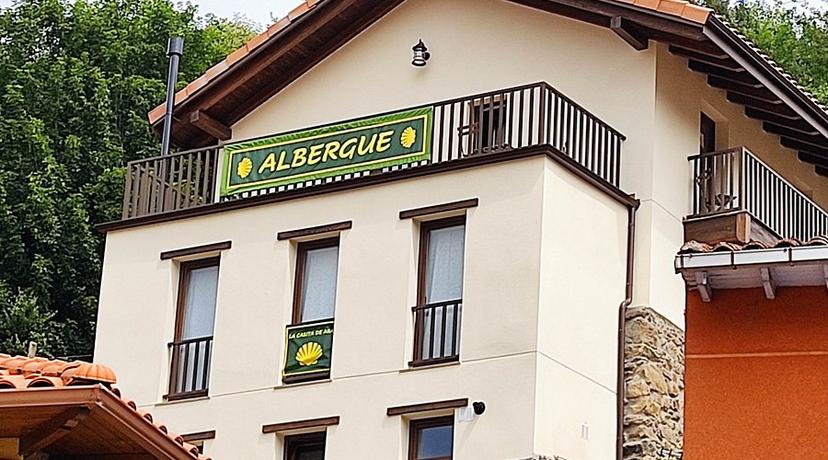
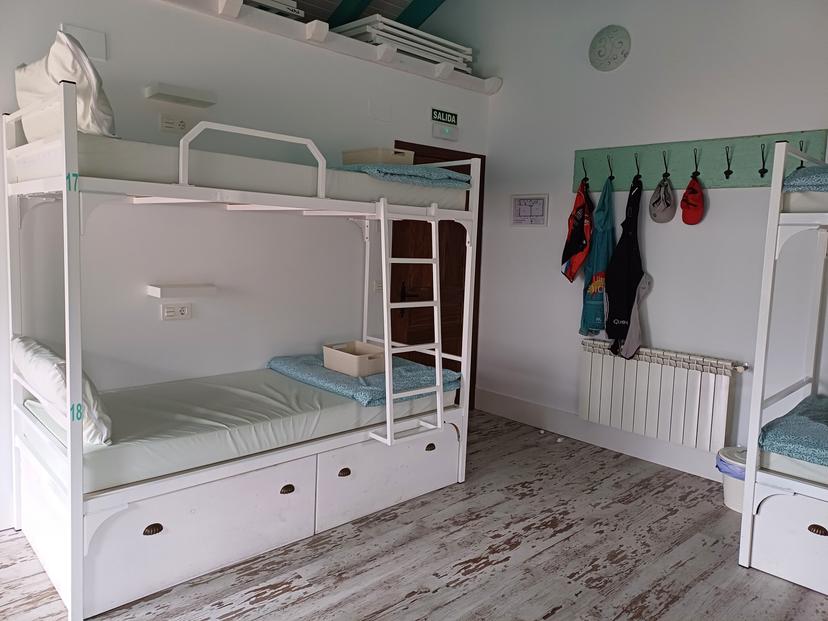
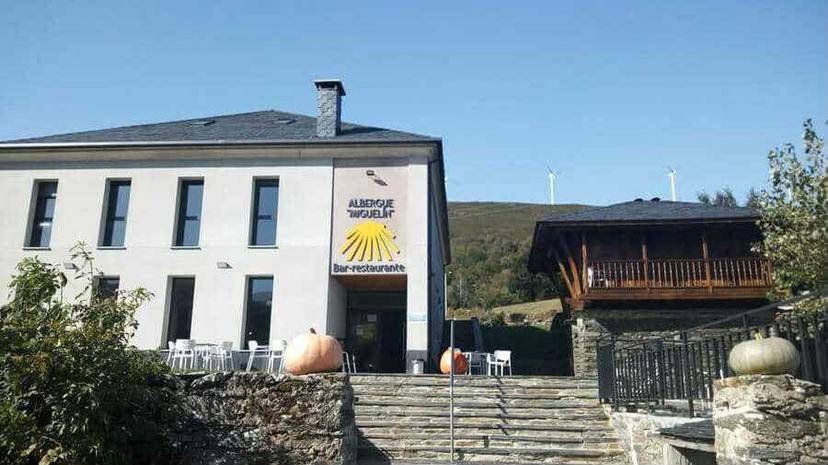
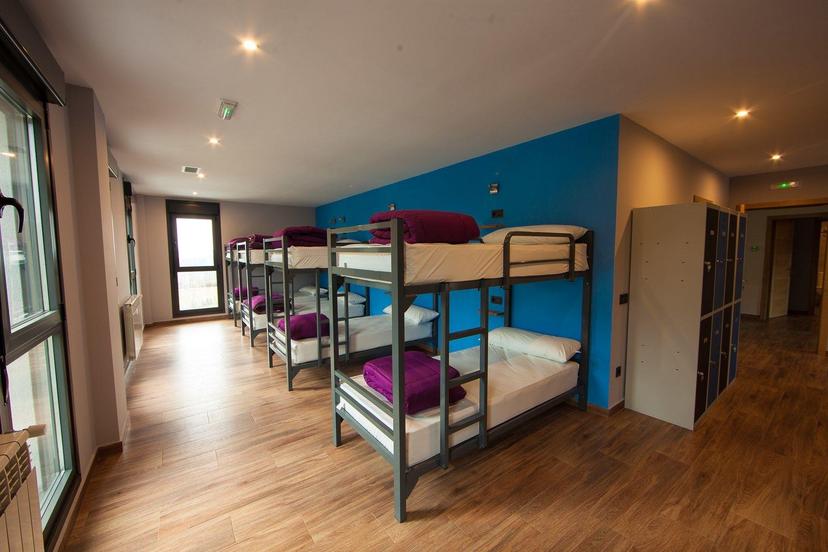
Albergues remain the backbone of Camino accommodation, purpose-built or adapted for pilgrims walking the route. These hostel-style facilities typically offer dormitories sleeping in bunk beds, shared bathrooms, communal kitchens, and laundry facilities. The social atmosphere in albergues creates instant community—you'll meet tomorrow's walking companions over morning coffee, share trail tips, and often participate in communal meals.
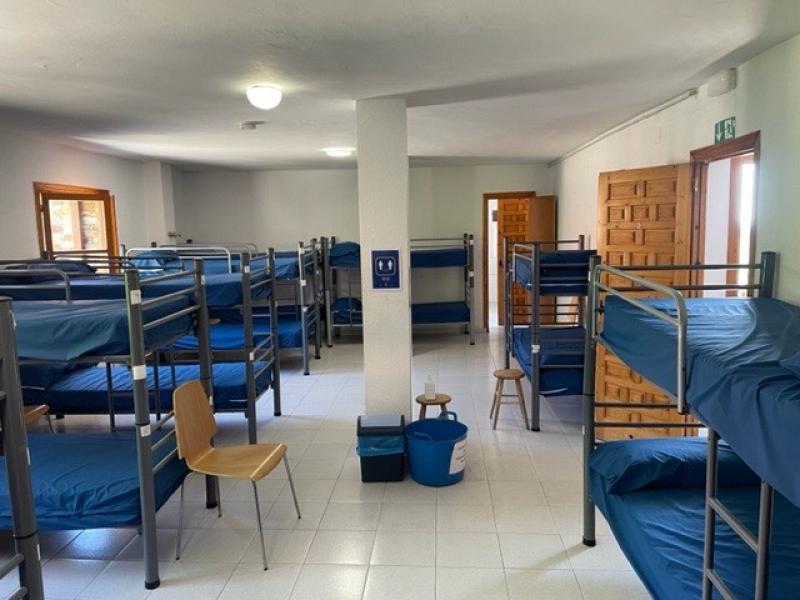
Municipal albergues are publicly funded, offering the most budget-friendly option at €8-12 per night. They operate first-come, first-served with no advance reservations, opening around 1pm and closing by 10pm. A pilgrim credential is required, and you can typically stay only one night (no consecutive stays). These fill quickly in peak season and can house 40-100+ pilgrims in large dormitories.
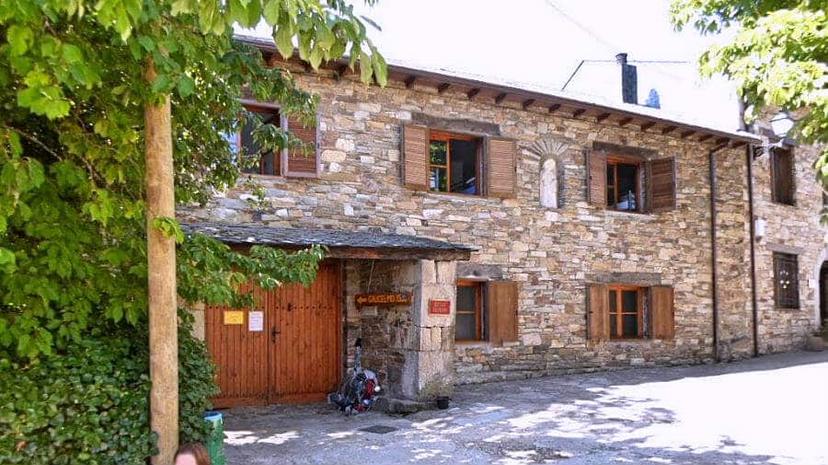
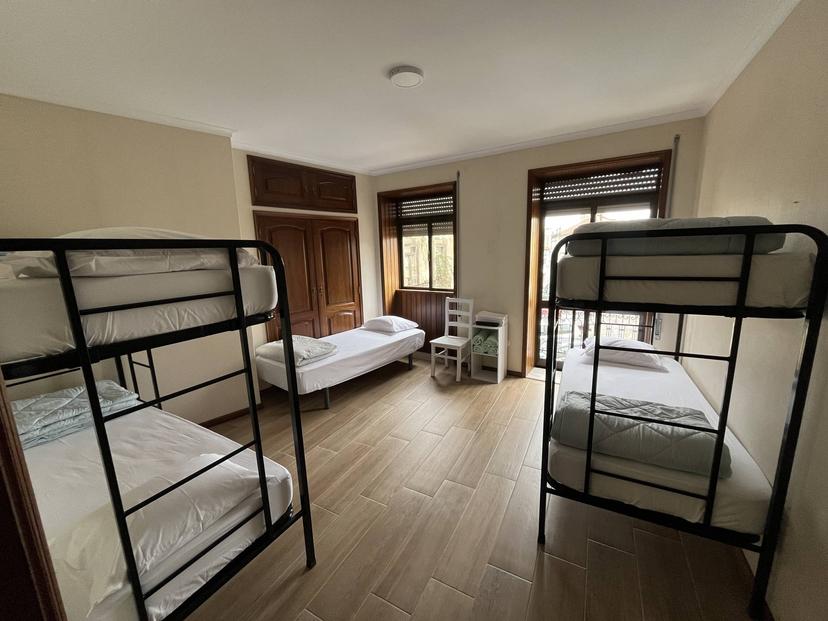
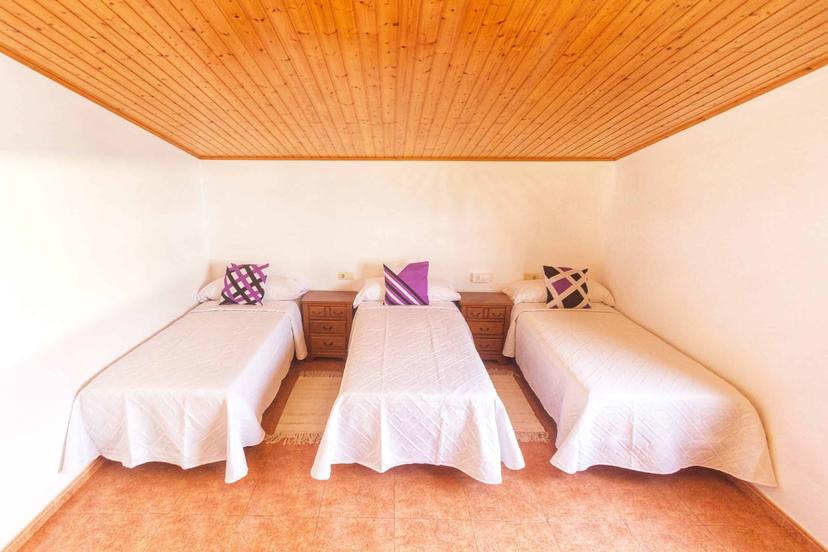
Private albergues charge €12-20 per night and often allow advance booking. They typically offer smaller dorm rooms (6-12 beds), better facilities, and sometimes include breakfast or offer communal dinners. Many have a few private rooms (matrimonios) for couples or those needing better sleep. Private albergues balance the social atmosphere with slightly more comfort and reliability.
Parroquial and donativo albergues operate on donations rather than fixed prices, often run by churches, volunteers, or former pilgrims giving back to the Camino. These tend to be the most authentic pilgrim experiences, with communal meals, evening reflections, and genuine hospitality. Leave what you can afford (€8-15 is typical), but don't abuse the generosity—these operate on tight margins and depend on pilgrims' conscientiousness.
2. Modern Hostels: Upgraded Pilgrim-Friendly Options
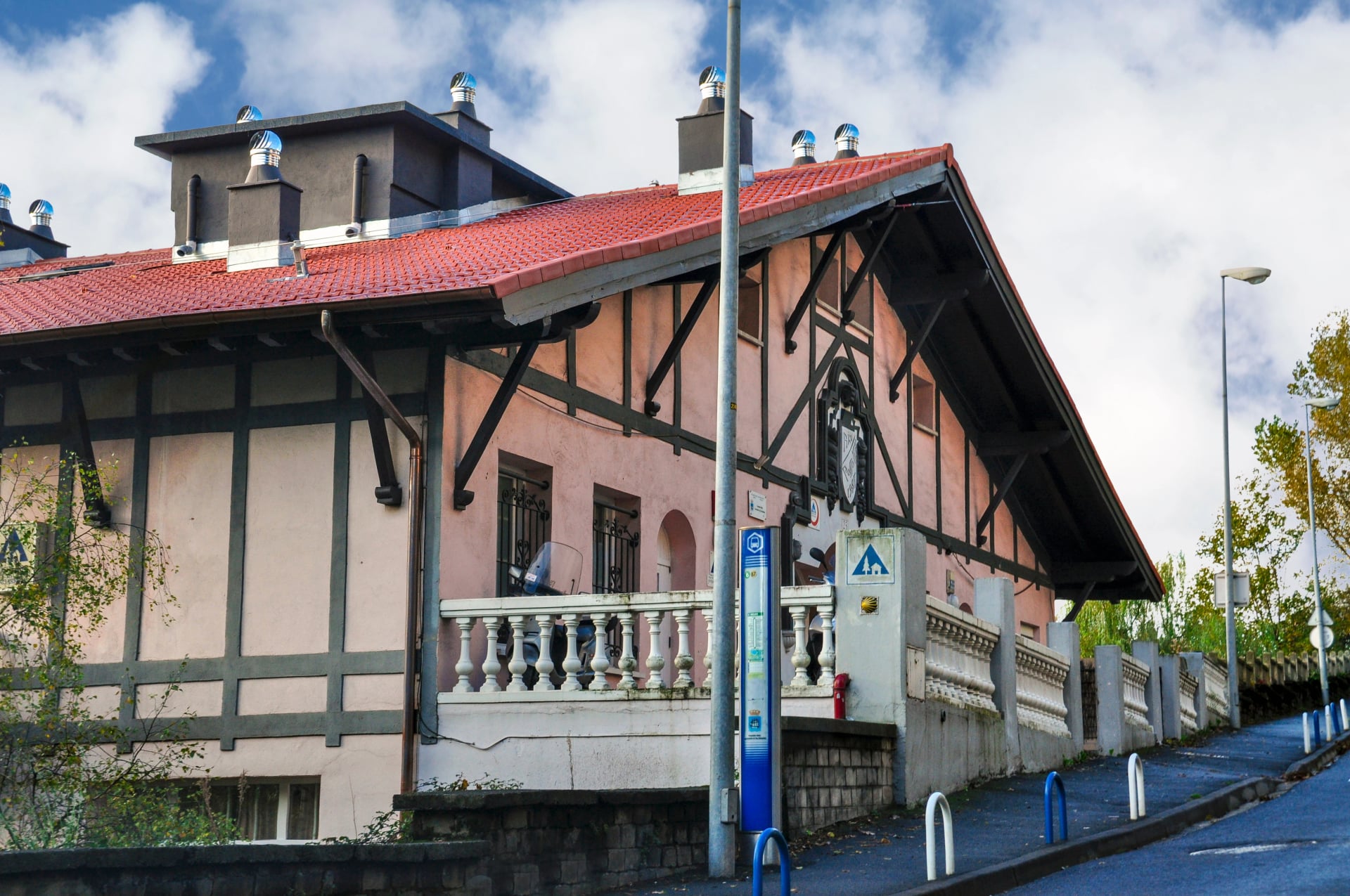
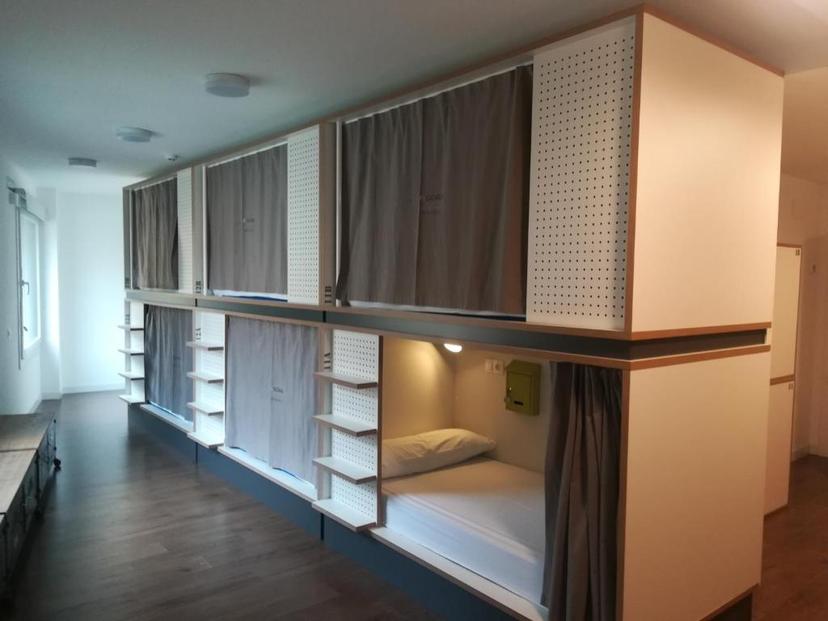
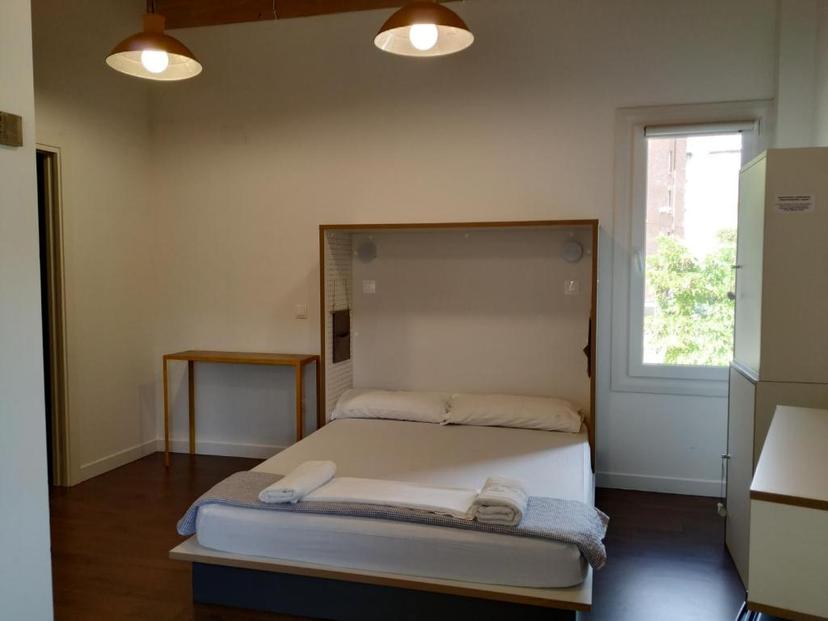
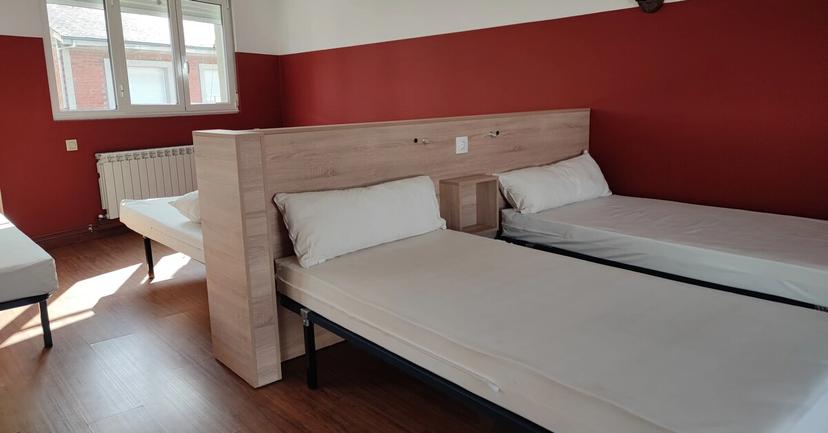
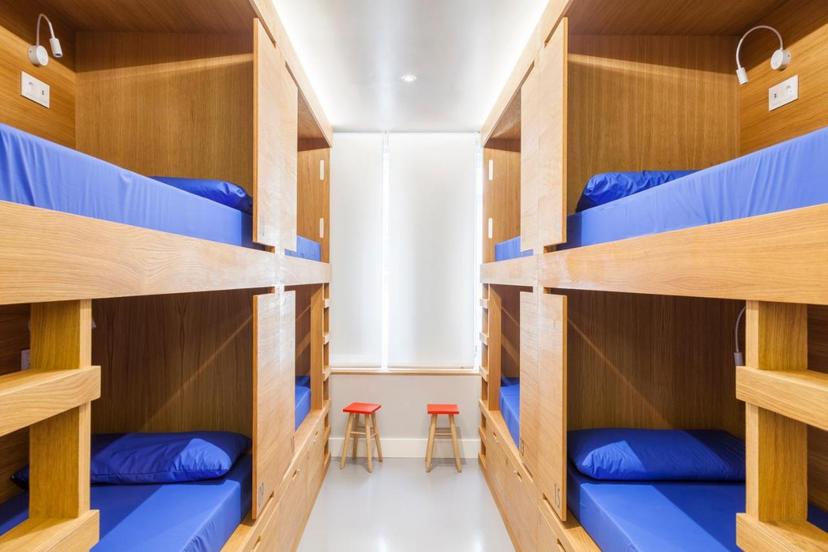
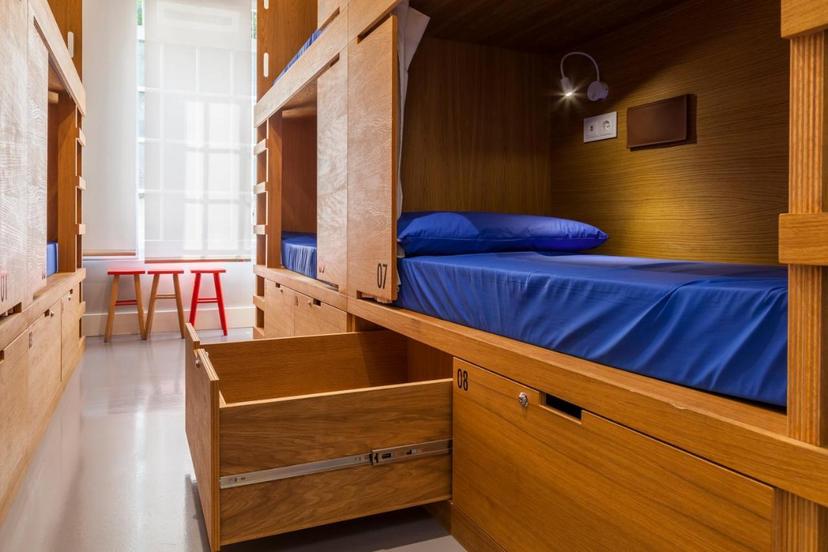
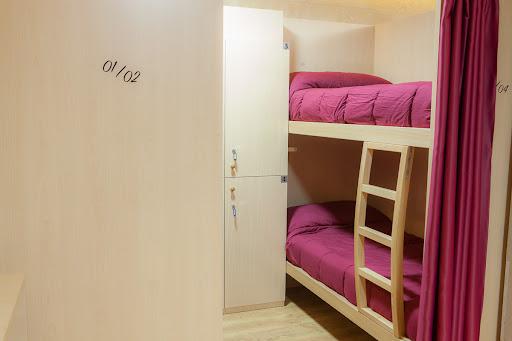
A newer category of modern hostels bridges traditional albergues and hotels. These pilgrim-oriented hostels feature upgraded amenities: pod-style beds with privacy curtains and charging stations, better soundproofing, design-conscious common spaces, and professional management. Prices range €15-30 per night. They appeal to pilgrims wanting social atmosphere without sacrificing sleep quality or basic privacy, making them popular with first-timers uncertain about traditional dormitory living.
3. Hotels and Guesthouses: Private Comfort
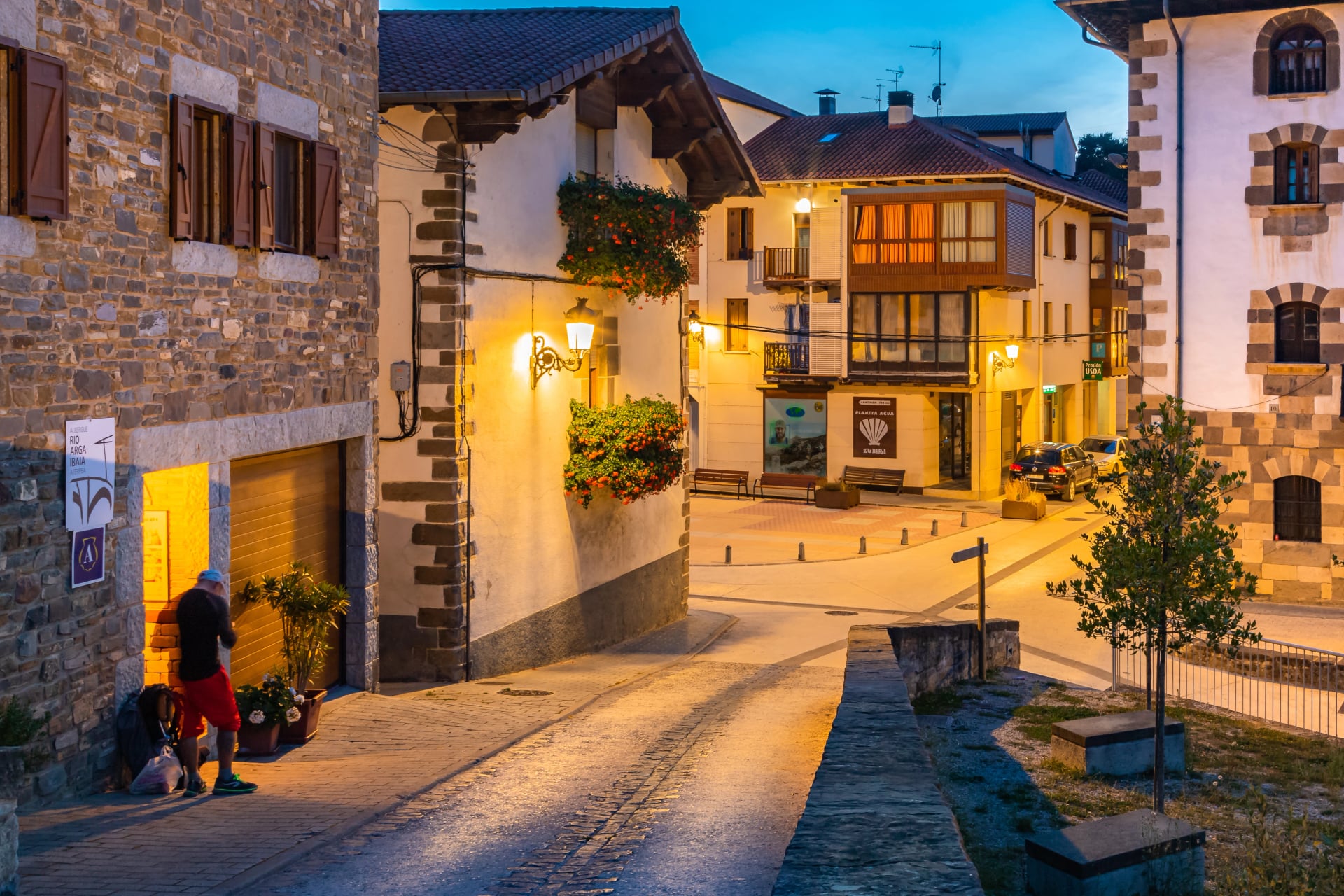
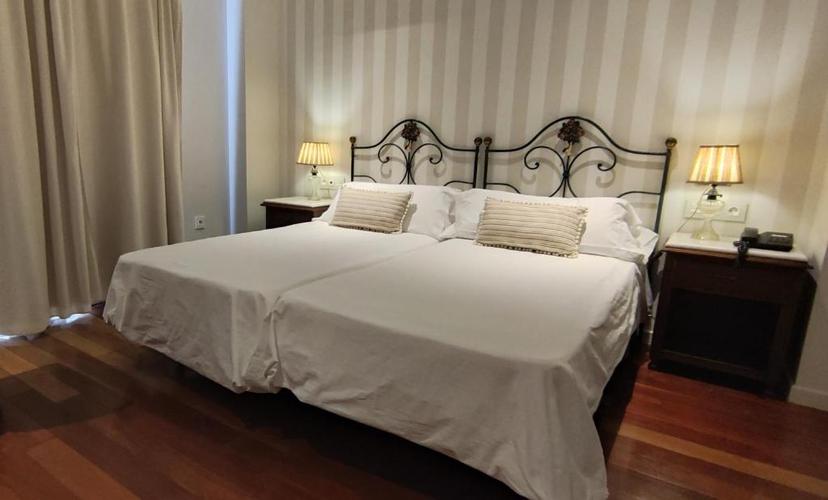
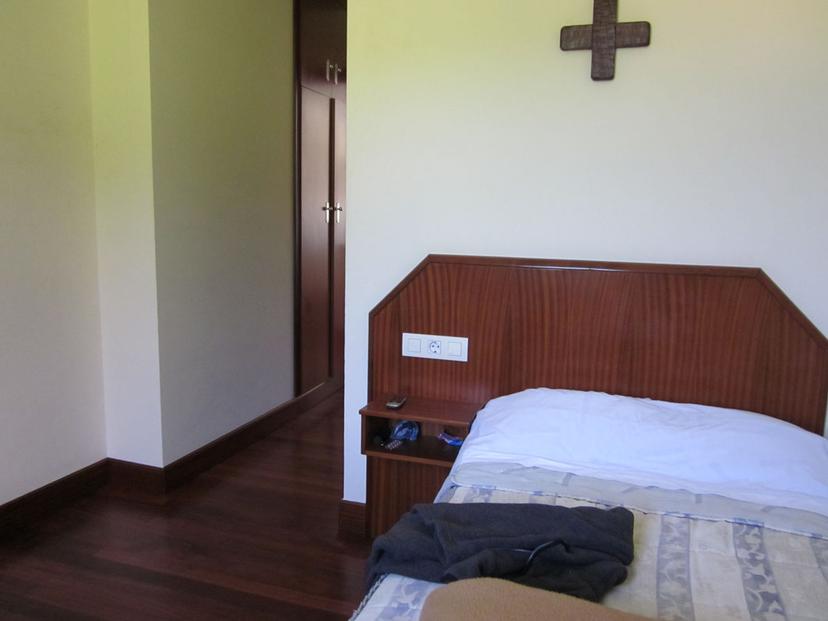
Hotels, pensiones, and guesthouses offer private rooms with en-suite bathrooms, ranging from €40-100+ per night. Many establishments offer "pilgrim rates"—discounted prices for credential-holding walkers—and provide services like luggage storage, laundry, and early breakfast. Hotels work well for rest days in major cities, recovering from injuries, celebrating milestones, or simply needing quality sleep after several nights in snoring-filled dorms. There's no shame in mixing accommodation types—many pilgrims stay primarily in albergues but schedule hotel nights every week for recovery.
What Makes Accommodation Truly Special
Beyond basic categories, certain accommodations achieve legendary status through exceptional hospitality, unique historical settings, strong communal atmosphere, or that intangible "Camino magic" impossible to quantify. The stays highlighted in this guide share common threads: hosts who genuinely care about pilgrims, settings that connect you to centuries of tradition, or communal experiences that forge lasting bonds with fellow walkers.
For comprehensive information on route planning, stages, and what to expect on different Camino paths, explore our detailed route guide covering all major pilgrimage routes.
Camino Francés Accommodations
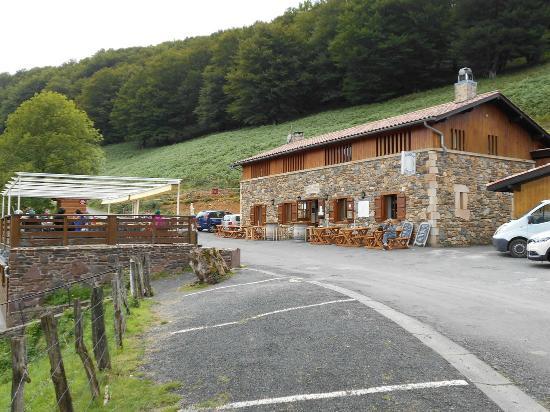
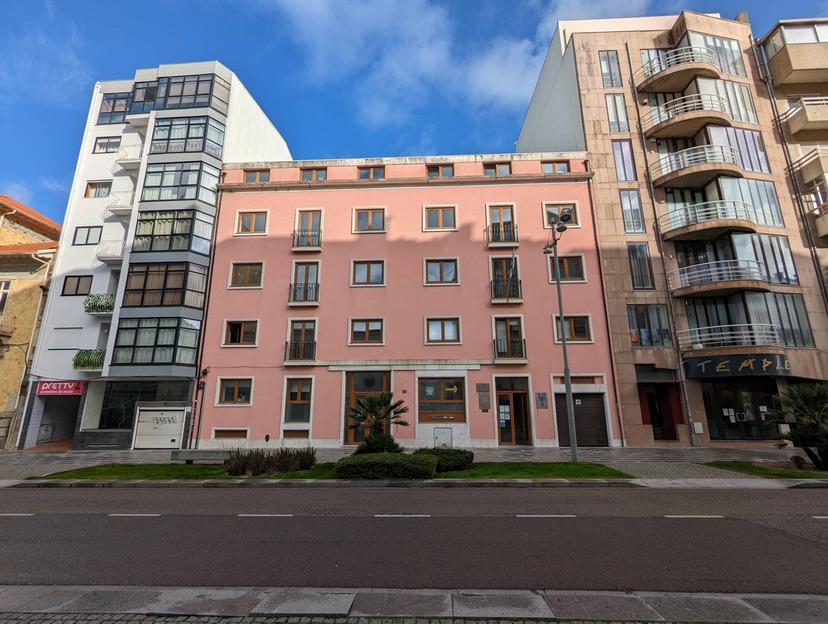
The Camino Francés boasts the most developed accommodation infrastructure of any route, with options ranging from simple municipal albergues to luxury hotels in every town. This 790-kilometer route from the French Pyrenees to Santiago sees roughly 60% of all annual pilgrims, creating vibrant social atmosphere but also meaning popular places book out quickly in peak season. The following accommodations represent legendary stops and hidden gems along the Francés.
These Francés highlights represent just a fraction of available options—hundreds of excellent albergues, hostels, and hotels line this popular route. For pilgrims preferring pre-arranged self-guided packages with pre-booked accommodation that eliminate daily booking stress, our team at Camino de Santiago tours can secure reservations at these legendary spots and other quality establishments along your chosen route.
Accommodation on Sarria to Santiago
The final 100 kilometers from Sarria to Santiago sees the heaviest pilgrim traffic of any Camino section, as this distance qualifies for Compostela certification. The crowds mean booking ahead becomes essential May through October, but exceptional accommodations still exist among the busy infrastructure. These three standouts offer quality and character despite the congestion.
Despite the crowds that define the last 100 kilometers, thoughtfully chosen accommodations like these preserve authentic Camino experience. Consider booking 2-3 days ahead during May-September to secure spots at the best places rather than settling for whatever has space remaining.
Camino Portugués Accommodation
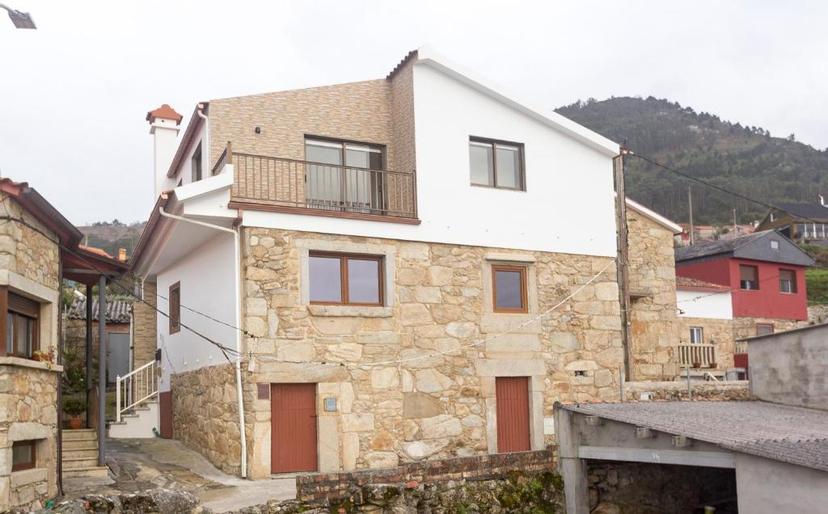
The Coastal variant of the Camino Portugués has exploded in popularity over the past decade, combining Atlantic Ocean scenery with excellent Portuguese and Galician hospitality. The route sees significantly fewer pilgrims than the Francés, creating a more intimate atmosphere while maintaining reliable infrastructure. These coastal accommodations stand out for their combination of seaside locations, warm welcomes, and strong sense of community.
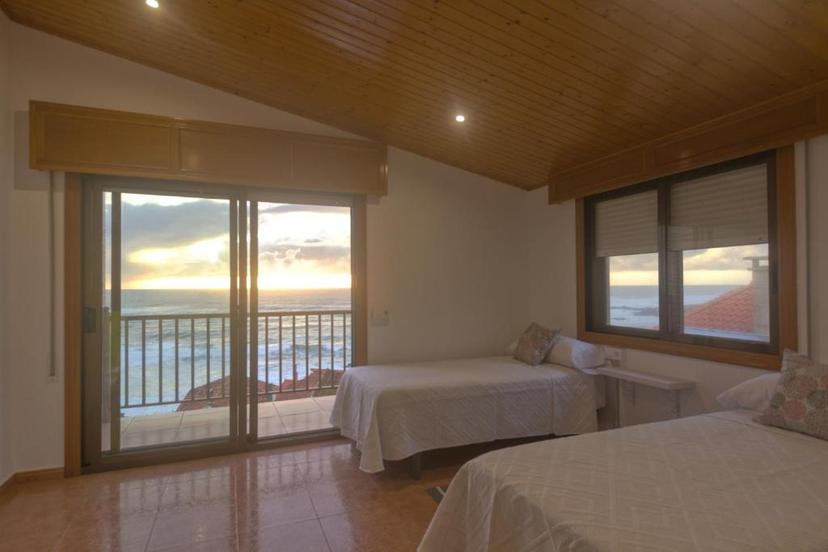
Portuguese and Galician hospitality truly shines on the coastal route, with many accommodations offering spectacular Atlantic views alongside warm welcomes. For optimal coastal walking conditions including temperature ranges and rainfall patterns by month, consult our detailed weather planning guide to time your pilgrimage perfectly.
Camino del Norte Accommodation
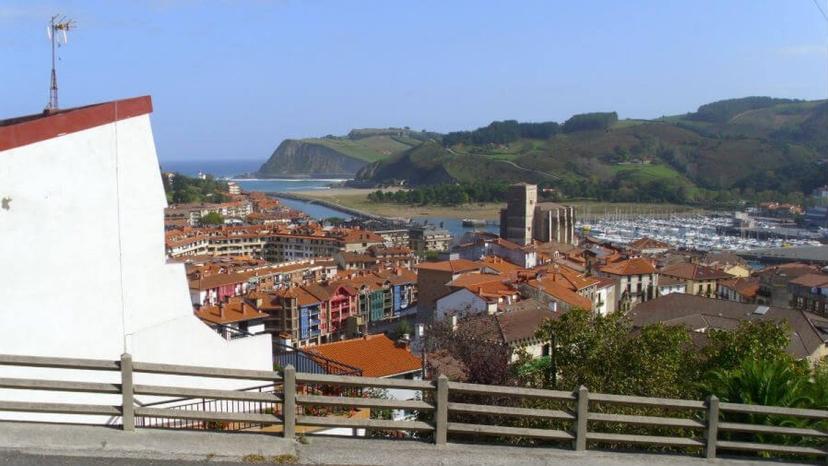
The Camino del Norte follows Spain's northern coastline through Basque Country, Cantabria, and Asturias—a challenging route with constant elevation changes but exceptional scenery and legendary hospitality. Fewer pilgrims tackle the Norte compared to the Francés, creating opportunities for deeper connections with fellow walkers and hosts. These accommodations have achieved almost mythical status among Norte veterans.
The Norte's exceptional hospitality makes the route's challenging terrain worthwhile. These legendary stops create lifelong memories and foster deep friendships impossible to form in more commercial settings.
Accommodation on Camino Primitivo
The Camino Primitivo through Asturian and Galician mountains represents the pilgrimage's original route—challenging, remote, and profoundly rewarding. Limited accommodations mean smaller numbers of pilgrims creating intimate communities each night. The donativo spirit remains strong on the Primitivo, with many of Spain's most genuine hospitaleros choosing this route specifically for its authentic atmosphere.
Primitivo accommodations reward tough mountain walking with exceptional warmth and hospitality. Book ahead even in shoulder seasons as capacity remains limited along this remote route.
Matching Accommodation to Your Needs
With thousands of accommodation options across various Camino routes, selecting where to stay each night involves balancing budget, comfort preferences, social desires, and the type of experience you're seeking. This framework helps navigate decisions throughout your pilgrimage.
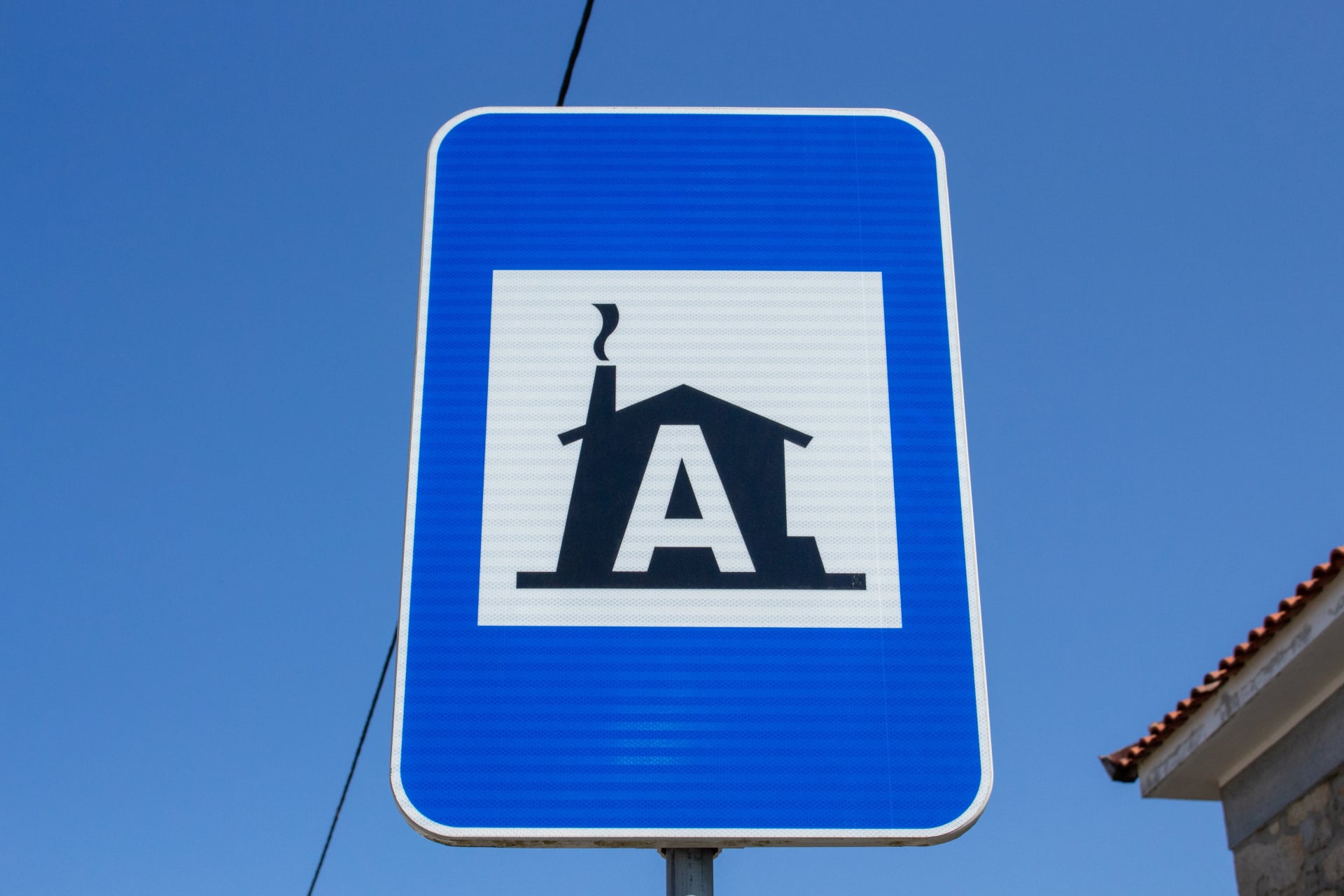
Budget Considerations
~€8-15 per night*
Municipal and donativo albergues provide the most budget-friendly options while delivering authentic pilgrim experience. These fill fastest and offer zero frills—basic bunks, shared bathrooms, minimal amenities—but place you directly in pilgrim culture. The communal atmosphere and diverse international crowd create the Camino's social foundation. Expect early bedtimes, morning snorers, and facilities that range from spotless to worn depending on management.
~€15-30 per night*
Private albergues and modern hostels offer meaningful upgrades while maintaining pilgrim community. Better mattresses, smaller dorm rooms (6-12 beds instead of 40+), improved soundproofing, and thoughtful design features like pod beds with curtains provide real comfort improvements. Many include breakfast or offer excellent communal dinners. This mid-range sweet spot appeals to pilgrims wanting social atmosphere without sacrificing sleep quality.
~€40-80+ per night*
Hotels, pensiones, and guesthouses deliver private rooms, en-suite bathrooms, and genuine rest. Schedule these strategically for recovery every 5-7 days, rest days in cities worth exploring, or when injuries require proper sleep. Many establishments offer "pilgrim rates"—discounted prices for credential holders—making comfort more affordable than expected. There's absolutely no shame in mixing accommodation types to preserve your body and sanity.
Mix and match approach: Most experienced pilgrims combine accommodation types rather than choosing one exclusively. Perhaps mostly albergues with weekly hotel nights, or alternating between budget and mid-range options, or splurging on special locations (monasteries, coastal hotels) while staying basic elsewhere. Honor both your budget and your genuine comfort needs.
* These prices are approximate and subject to change depending on the weather, season, holiday seasons and many more ext
Social Preferences and Personality
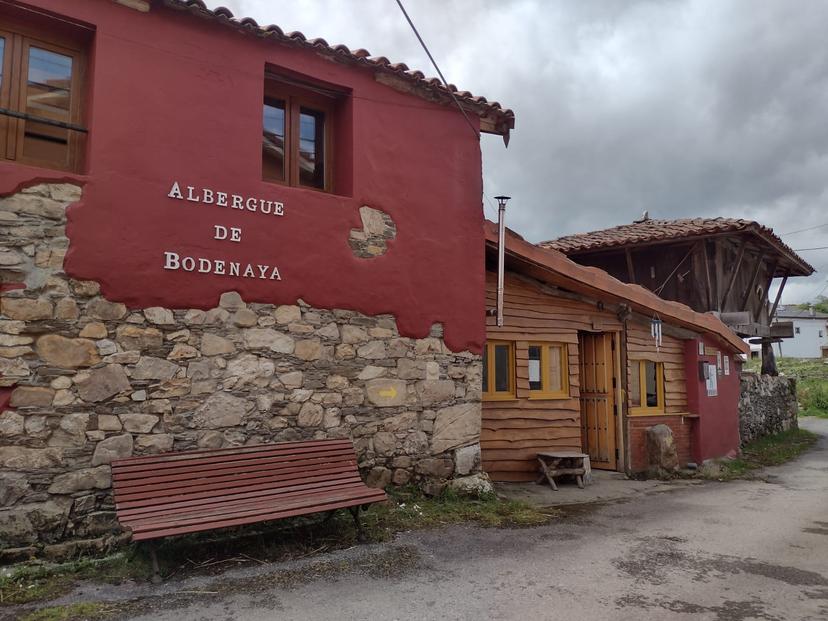
Seeking community and interaction: Donativo albergues with communal meals (Grañón, Bodenaya, Güemes, Pociña de Muñiz) create the deepest bonds with fellow pilgrims. Shared meal preparation, evening reflections, and intimate settings with limited beds foster genuine friendships. These accommodations attract pilgrims who prioritize connection over comfort, creating nightly families that often stay in touch for years.
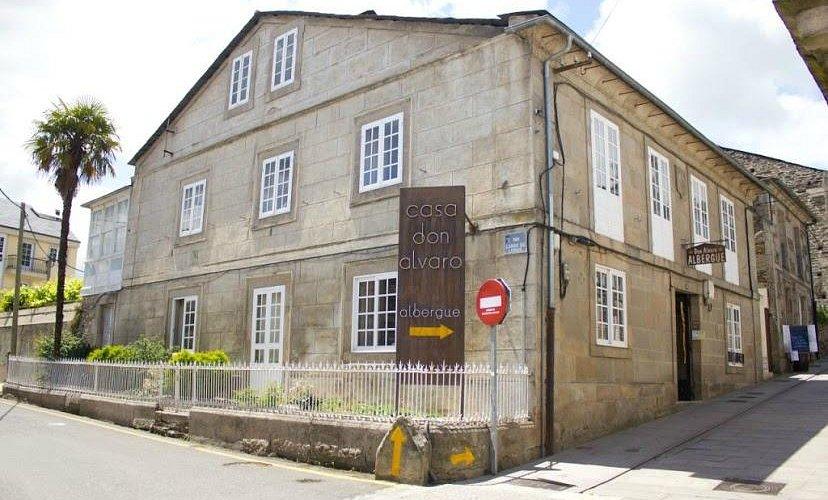
Balanced approach: Private albergues with both common areas and quieter spaces (Don Álvaro, En El Camino, La Casita de Aba) let you control your social engagement. Join communal dinners when you want company, retreat to private corners when you need solitude. This flexibility works well for introverts who enjoy people in measured doses or those whose social energy fluctuates day to day.
Privacy and quiet essential: Modern hostels with pod beds and curtains (Agora, Acolá) or small hotels provide protection from snorers, early risers rustling plastic bags, and nighttime headlamp-wielding bathroom seekers. Light sleepers, those with anxiety about shared spaces, or pilgrims who simply sleep poorly in dormitories should budget for accommodations offering genuine privacy and quiet. Quality sleep matters more than authentic "suffering"—the Camino provides enough physical challenge without adding sleep deprivation.
Sleep Quality and Health Needs
Light sleepers face genuine challenges in large municipal albergues where 60+ people share space. Snoring, sleep apnea machines, early risers packing bags, late arrivals, bathroom trips with headlamps—dormitories assault sensitive sleepers from all angles. Smaller private albergues, modern hostels with better design, or hotels become essential rather than luxury for those who truly need decent sleep. Chronic sleep deprivation leads to injuries, illness, and misery—prioritize rest.
Schedule hotel nights strategically: every 5-7 days for full recovery, in major cities worth exploring (León, Burgos, Porto, Santiago), or when dealing with blisters, tendinitis, or other issues requiring proper rest. Your body thanks you, and you'll actually enjoy the Camino rather than just surviving it.
If you're concerned about physical preparation and whether your fitness level suits your chosen route, review our comprehensive training guidance covering building endurance, preventing injuries, and arriving Camino-ready.
Special Experiences You're Seeking
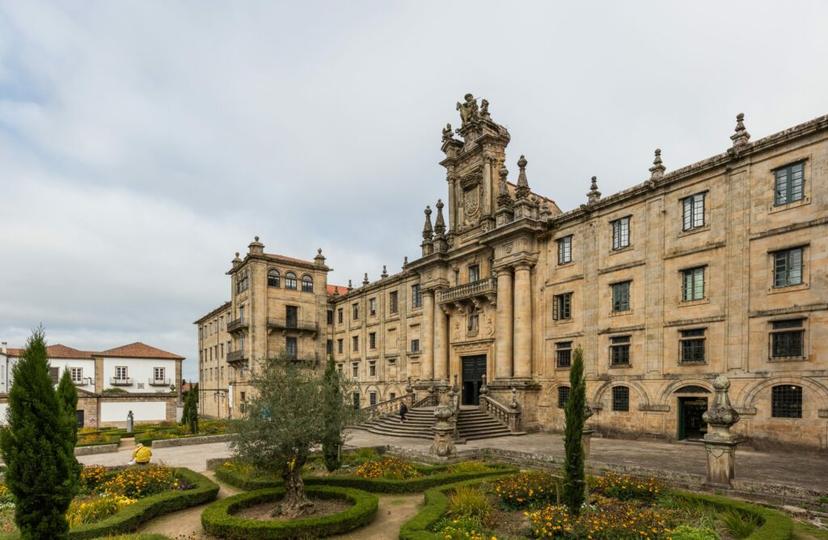
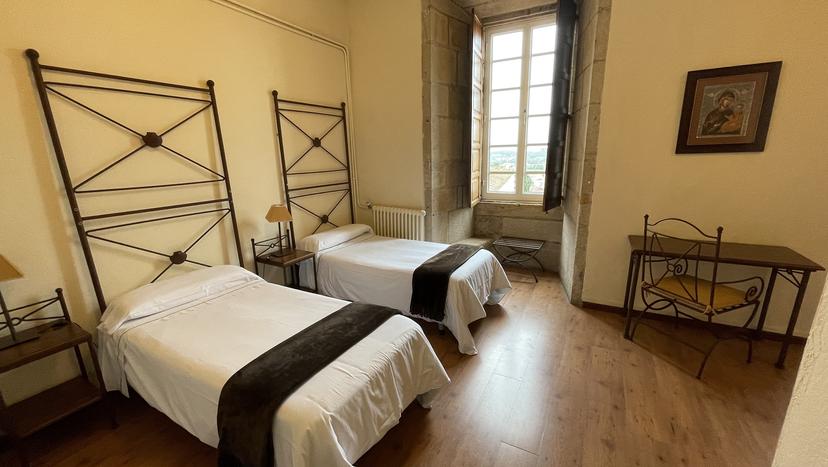
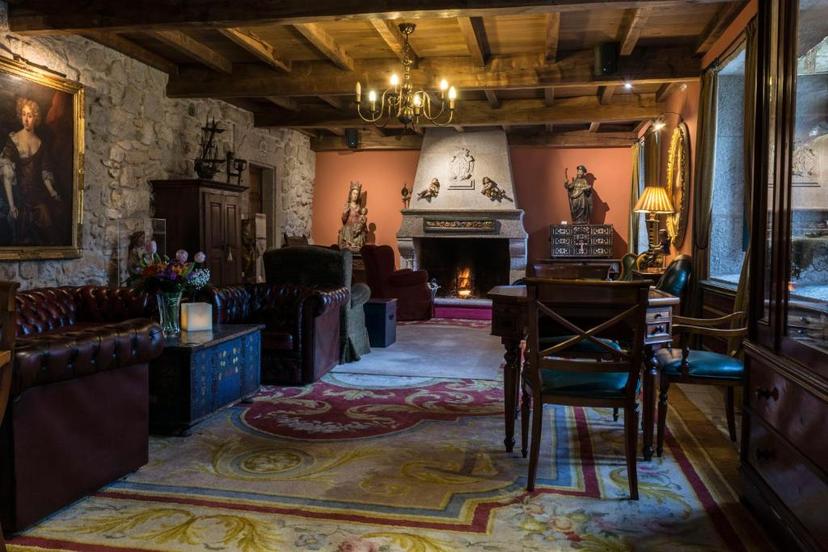
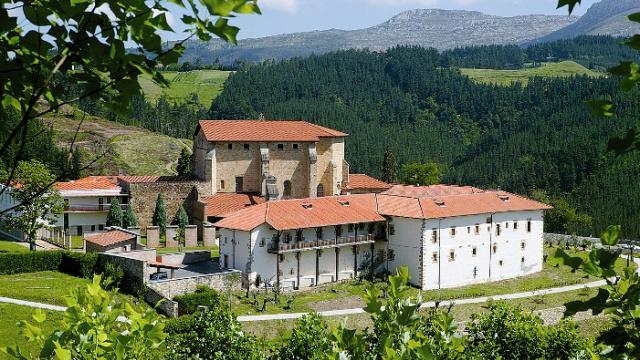
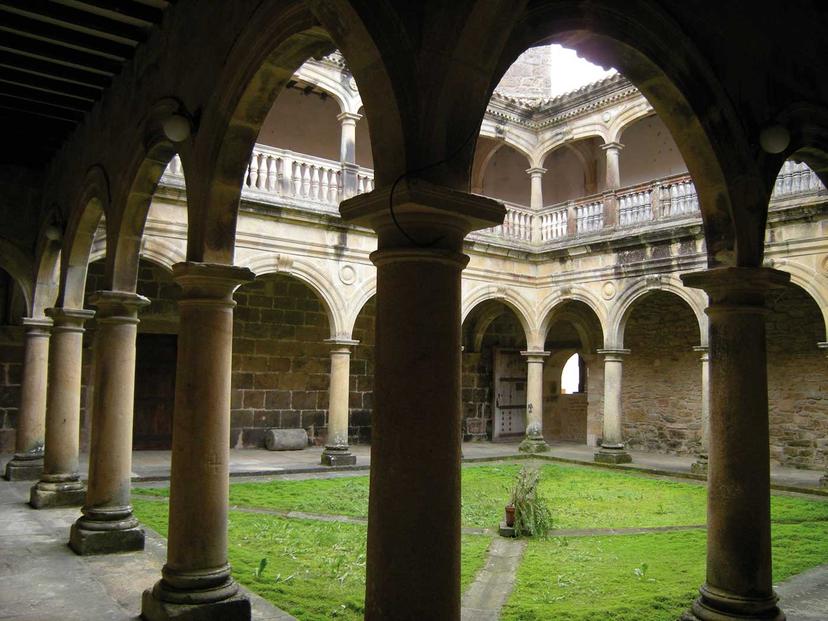
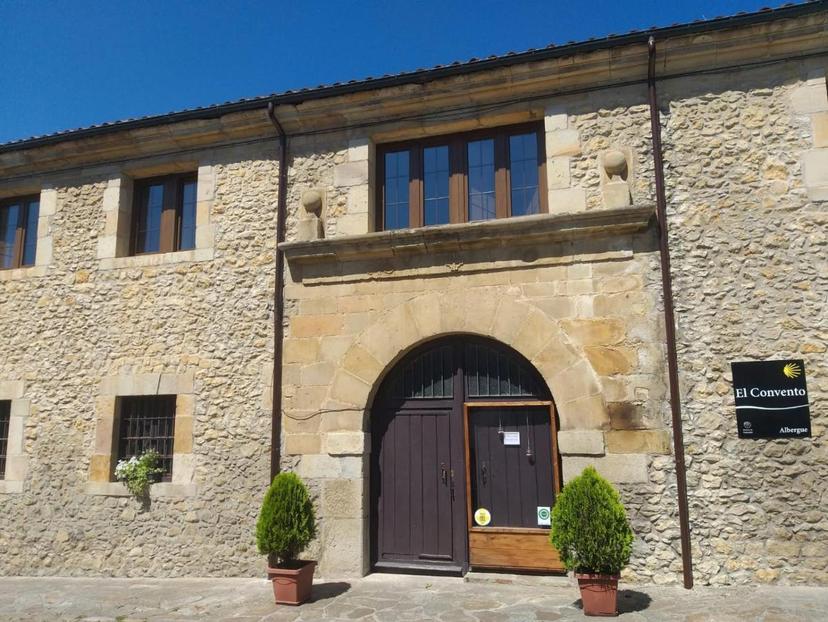
History and culture enthusiasts: Monastery and convent stays (San Martín Pinario, Zenarruza, Convento de San Benito, San José) immerse you in centuries of religious history and architectural heritage. Sleeping in converted monastic cells, attending vespers services, and exploring ancient cloisters creates tangible connection to pilgrimage history impossible in modern buildings.
Cultural and culinary immersion: Family-run accommodations with communal meals (Pociña de Muñiz, Casita de Aba, Güemes) introduce authentic local food, conversation with Spaniards and Portuguese, and genuine cultural exchange. These hosts often share regional history, recommend local attractions, and treat pilgrims like honored guests rather than customers.
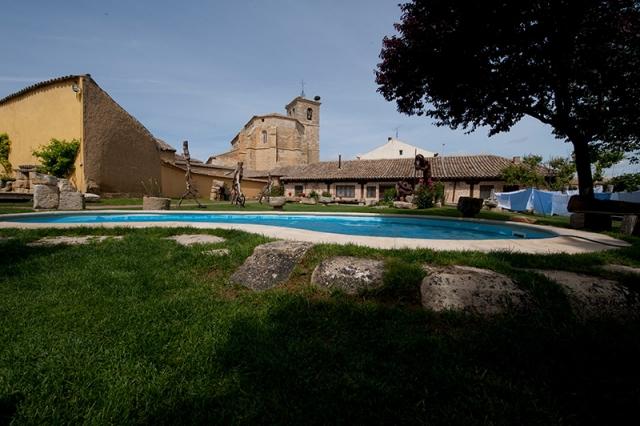
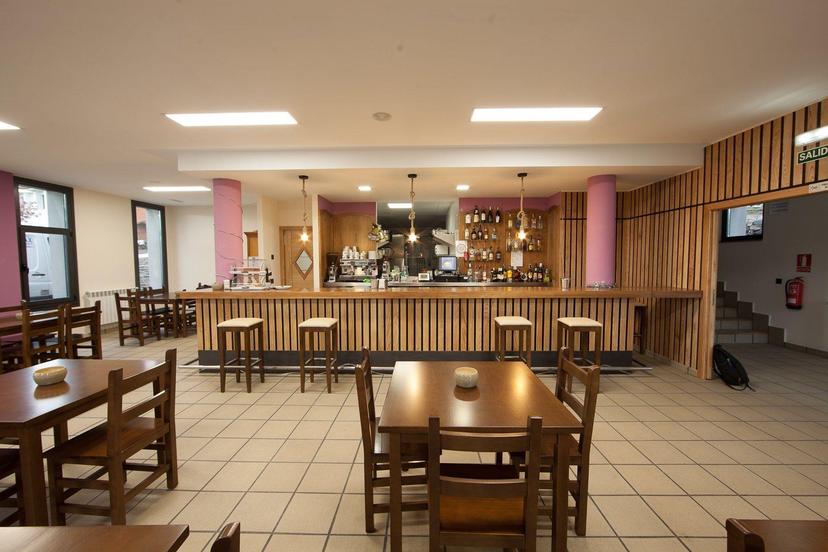
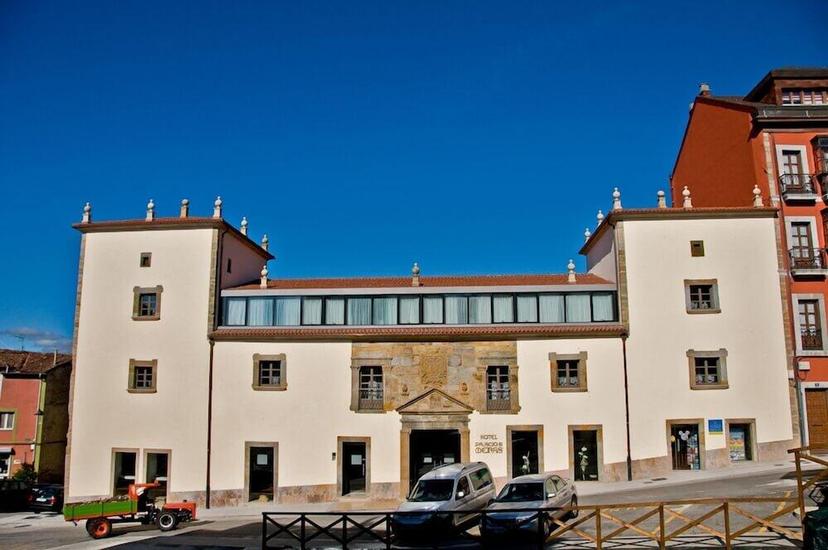
Comfort seekers: Upgraded albergues and hotels (Palacio de Merás, San Antón with its pool, Hotel San Benito) provide modern amenities, excellent facilities, and comfort that makes the Camino sustainable for those who don't romanticize suffering. Comfortable doesn't mean disconnected—many luxury options still attract pilgrims and maintain communal spirit.
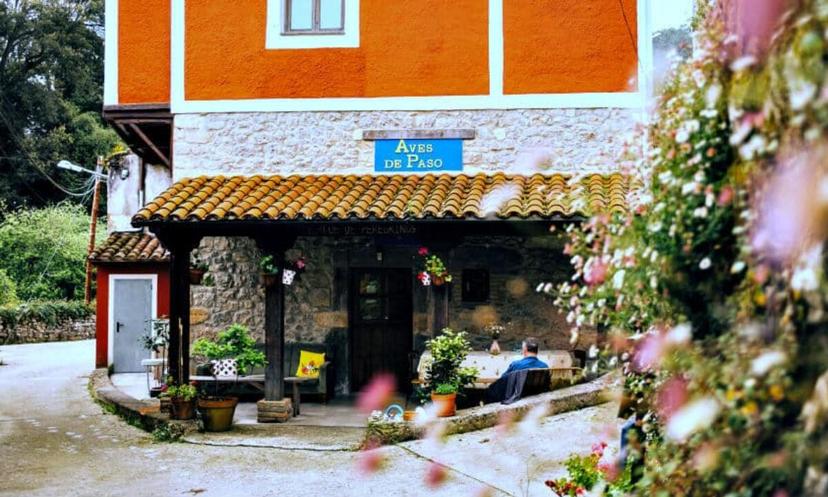
Traditional pilgrims: Donativo and parroquial albergues (Grañón, Bodenaya, Aves de Paso) preserve the Camino's original spirit of hospitality, simplicity, and community. These places operate on trust, volunteers give time freely, and the atmosphere emphasizes spiritual journey over tourist convenience. For pilgrims seeking authentic medieval pilgrimage experience, prioritize these traditional refuges.
Practical Logistics
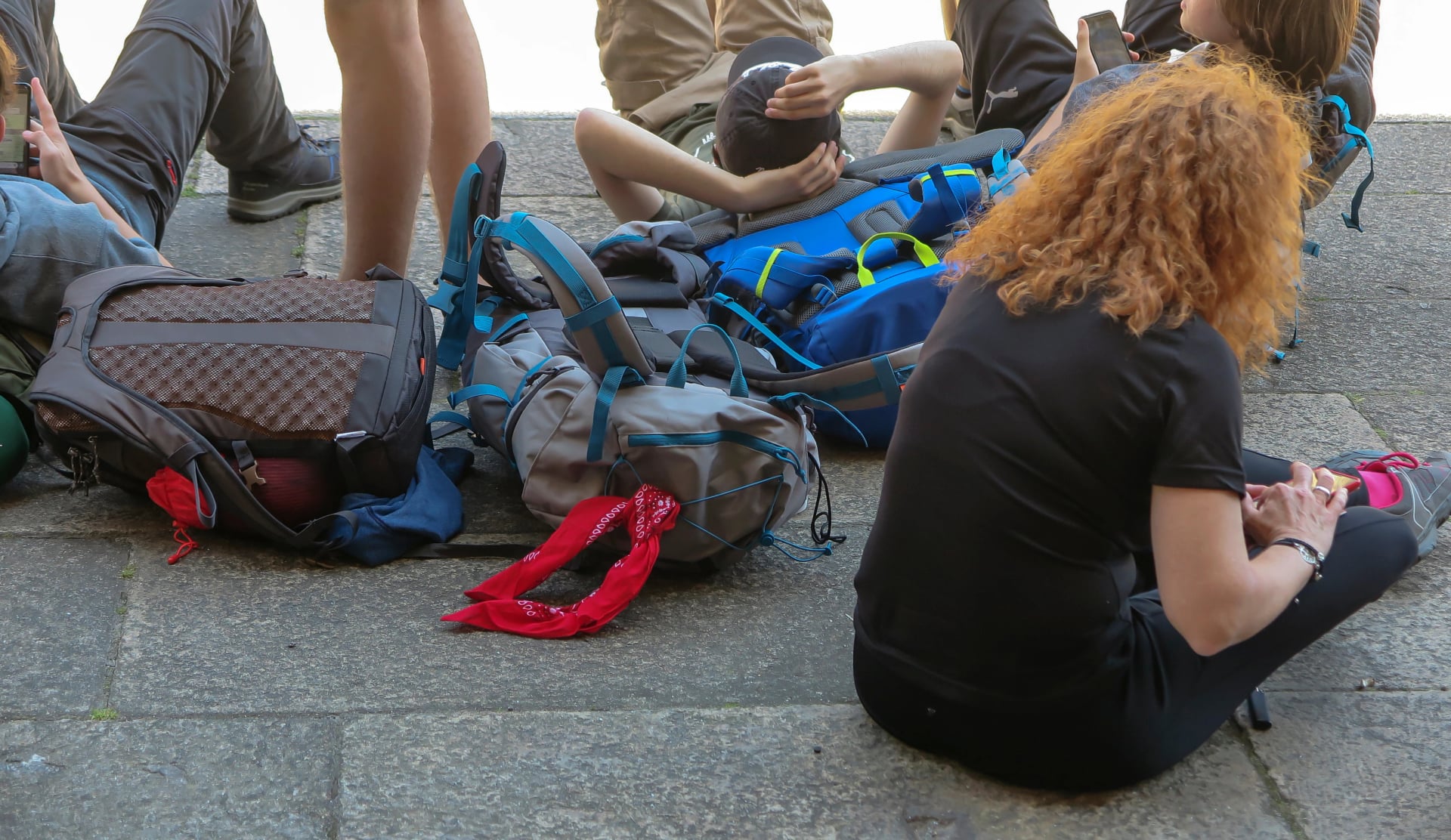
Carrying your pack: If using daily luggage transfer services, you're limited to accommodations on transfer company routes—typically larger towns and popular private albergues. This eliminates some small village donativos and remote locations. Carrying your own pack provides complete freedom to stay anywhere, including legendary off-route gems requiring short detours.
Solo travelers: Albergues provide instant community—you're never truly alone when surrounded by fellow pilgrims in dormitories and common areas. Hotels can feel isolating for solo travelers who crave human connection. However, some personalities need alone time to recharge. Know yourself and plan accordingly.
Couples: Many albergues offer affordable private rooms (matrimonios) at €30-50—still far cheaper than hotels while maintaining pilgrim atmosphere. This works perfectly for couples wanting privacy without isolation. Some couples alternate between shared dorms (budget-saving, meeting people) and private rooms (intimacy, better sleep).
For questions about specific accommodation availability along your chosen route, challenges booking from overseas, or recommendations matching your particular needs, reach out to our team for personalized assistance based on decades of Camino experience.
Booking Strategy and Practical Tips
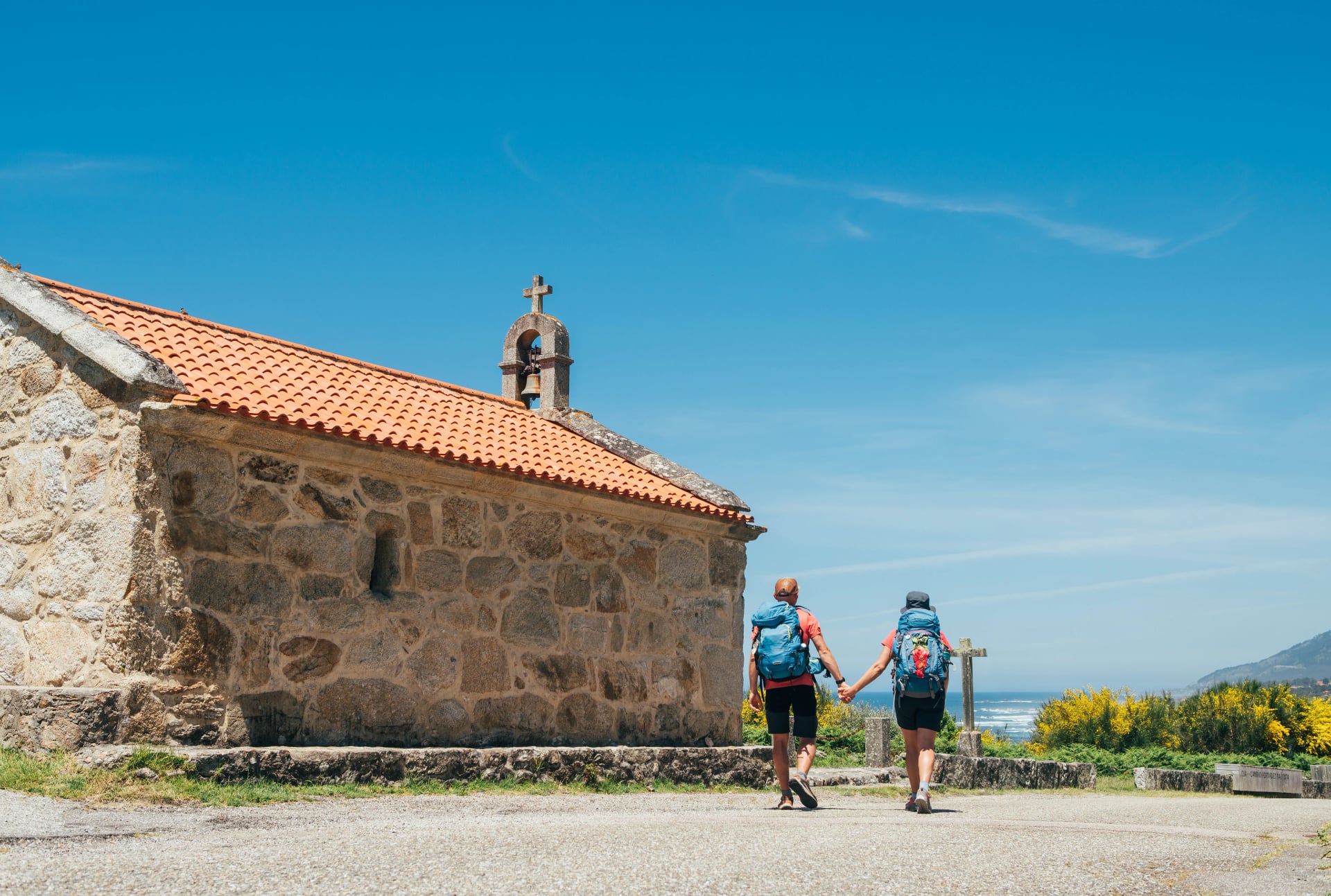
Successfully navigating Camino accommodation requires understanding seasonal patterns, booking conventions, and the unwritten rules governing different types of establishments. These strategies help secure beds without stress.
When to Book Ahead
April-October on Camino Francés
Book 2-5 days ahead at minimum, with popular accommodations like Orisson and Grañón requiring reservations months in advance (often filling by February for summer spots). The final 100 kilometers sees heaviest traffic—book 3-5 days ahead or risk scrambling for available beds. If you have zero flexibility and must stay in specific towns, booking a full week ahead provides security during peak season.
Camino Portugués Coastal and Camino Inglés
Book 1-2 days ahead during summer (June-August), same-day usually fine in shoulder seasons (April-May, September-October). These routes see significantly fewer pilgrims than the Francés, though capacity is also lower. Popular spots like La Cala still fill on busy days.
Camino del Norte and Camino Primitivo
Usually book day-of or day-before except for legendary accommodations (Güemes, Bodenaya) where calling that morning is wise. The smaller pilgrim numbers generally mean availability, though these routes also have less total capacity. Winter walking sees almost no crowds.
Winter months (November-March)
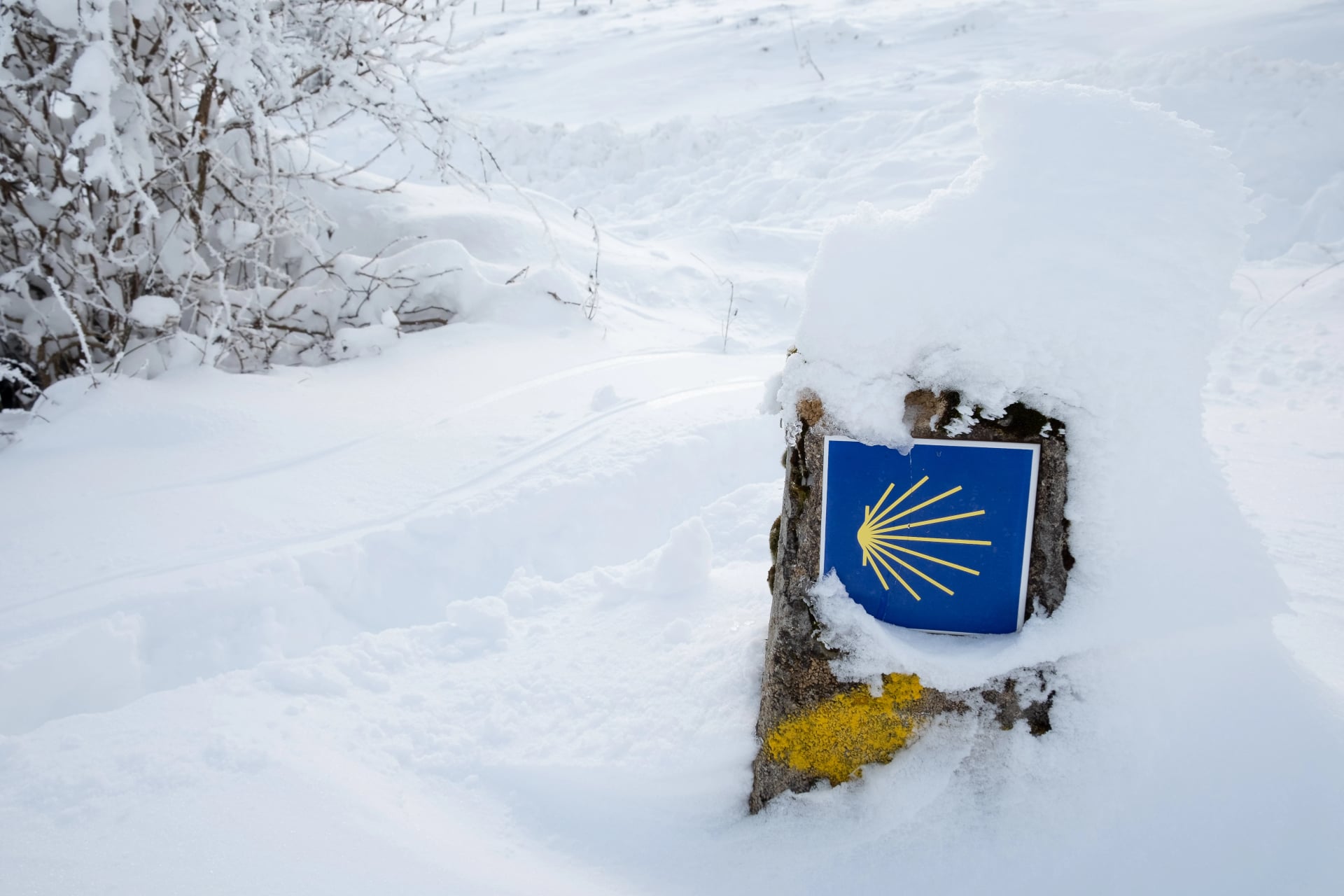
Most accommodations close, but those remaining open require no advance booking except approaching Santiago. Albergue density drops by 60-70%, so verify open options before starting. Many private albergues and hotels stay open year-round in major towns. For detailed guidance on winter accommodation availability and route planning during cold months, see our comprehensive winter walking guide covering seasonal challenges and strategies.
Municipal Albergue Rules
Municipal albergues operate under specific conventions that surprise first-time pilgrims:
Strictly first-come, first-served: No advance reservations accepted. Arrive when doors open (typically 1-3pm) to secure beds.
Credential required: Must show valid pilgrim passport to check in.
One night maximum: Can't stay consecutive nights at same municipal. This rule prevents people camping out in cheap accommodations.
Walking pilgrims priority: Those walking get beds before cyclists if capacity is limited.
Early checkout: Most require departure by 8am, some even 7am.
Basic facilities: Expect functional but minimal—bunks, shared bathrooms, sometimes kitchen. Cleanliness and comfort vary wildly depending on local management.

Donativo Albergue Etiquette
Donation-based accommodations require conscientiousness to remain sustainable:
Leave appropriate donation: While no fixed price, typical donations run €8-15. Leave what you genuinely can afford, but don't abuse generosity—these places operate on thin margins.
Participate in community: Help with meal preparation, join communal dinners, engage with other pilgrims. The donation covers more than just bed—you're participating in shared experience.
Respect the philosophy: Donativo operates on trust and honor system. Some pilgrims are genuinely broke and leave €3-5; others can afford €20 and should leave it. The system balances out when everyone contributes honestly.
What to Expect and Bring
Successful albergue stays require minimal gear and realistic expectations:
Essential items:
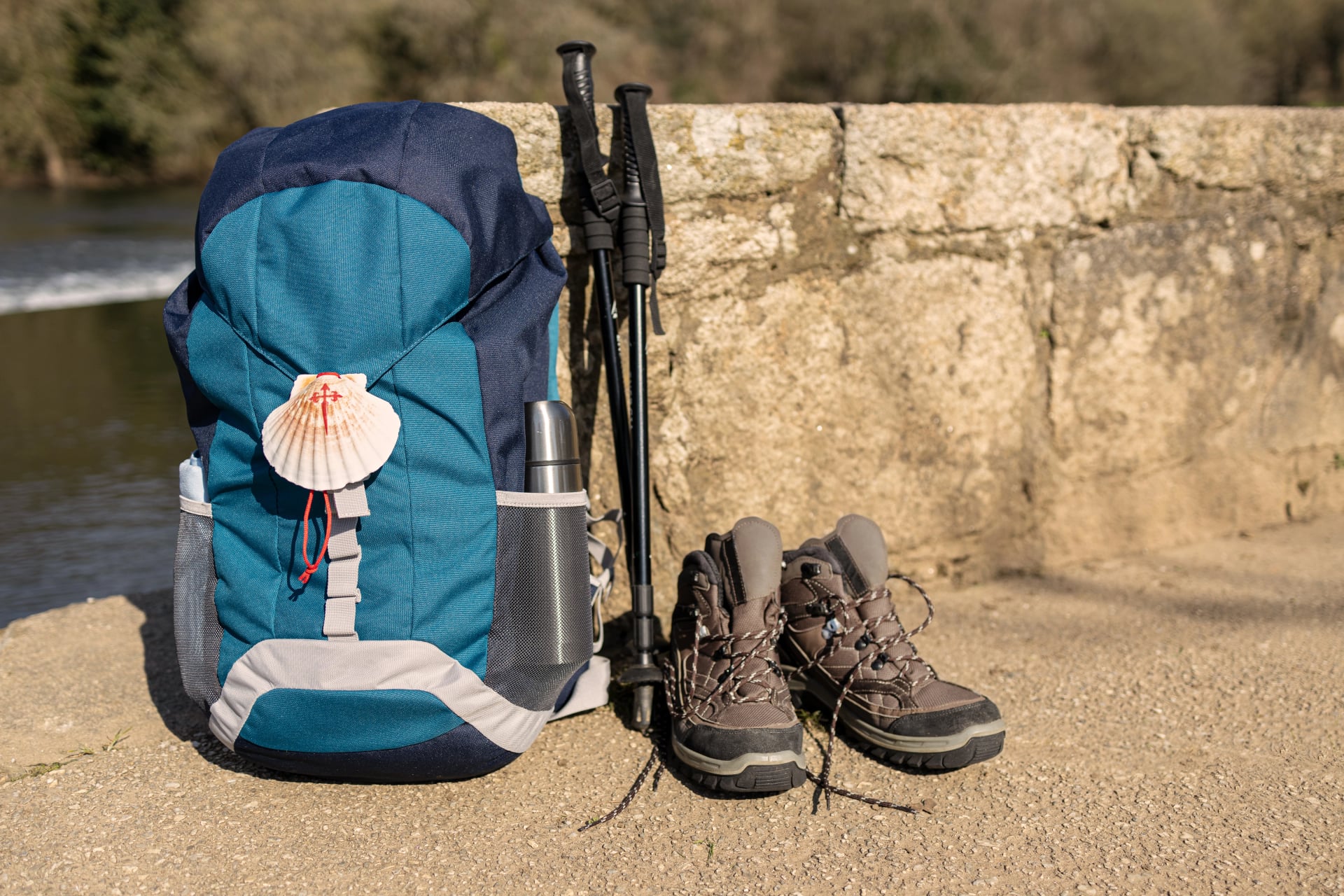
Sleeping bag liner (required at most albergues, some won't let you in without one)
Earplugs (absolute necessity for dormitory sleeping with 20-60 snorers)
Headlamp or small flashlight (navigating dark dorms for midnight bathroom trips)
Flip-flops or shower shoes (communal bathroom hygiene)
Small padlock (securing valuables in provided lockers)
Clothesline and pins (for hand-washing and drying clothes)
Cultural norms:
Quiet hours typically run 10pm-7am—respect them strictly
Pack your bag the night before to avoid morning rustling when others sleep
Don't spread belongings throughout the entire room; keep stuff contained to your bunk area
Clean up after yourself in kitchens and bathrooms
Remove muddy boots before entering sleeping areas
Thank hospitaleros and volunteers—their work makes the Camino possible
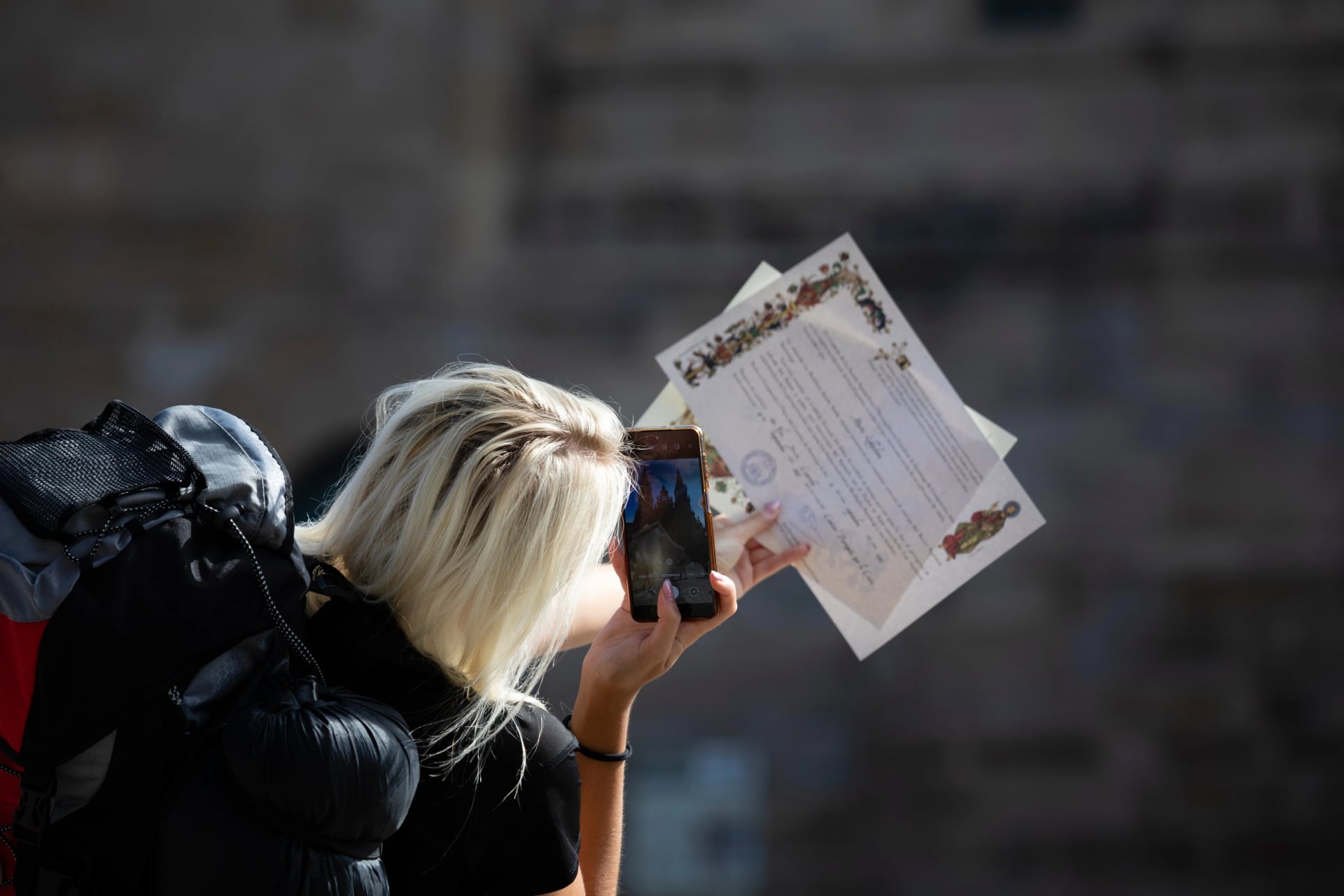
When you begin your Camino and present your credential at the first albergue, you'll notice staff stamp it with the establishment's unique sello (stamp). These stamps accumulate throughout your pilgrimage, providing colorful proof of your journey when requesting the Compostela certificate in Santiago.
For complete information on obtaining your credential before starting, collecting stamps along the route, and the certification process, review our detailed passports and certificates guide covering all administrative aspects of modern pilgrimage.
Red Flags to Avoid
Not all accommodations maintain acceptable standards. Warning signs include:
Bedbug reports: Check recent online reviews (within past 2-3 months) on Gronze or other Camino apps. Bedbugs spread quickly between accommodations via pilgrim backpacks, creating periodic outbreaks. Inspect mattress seams upon arrival—small dark spots or actual bugs mean immediately leaving and finding alternative lodging.
Severe overcrowding: Some municipals exceed stated capacity during peak season, cramming extra mattresses on floors or in hallways. If an albergue claims 40 beds but you see 60 people, expect miserable sleeping conditions, overwhelmed bathrooms, and potential safety issues.
Poor maintenance and hygiene: Filthy bathrooms, broken facilities, mold, or vermin indicate bad management. Don't accept substandard conditions out of exhaustion—walk another hour to a better option if feasible, or splurge on a hotel if necessary.
Useful Booking Resources
Gronze: The most comprehensive Spanish-language accommodation database. Lists virtually every albergue with photos, prices, contact information, and user reviews. Limited English but navigable with translation apps.
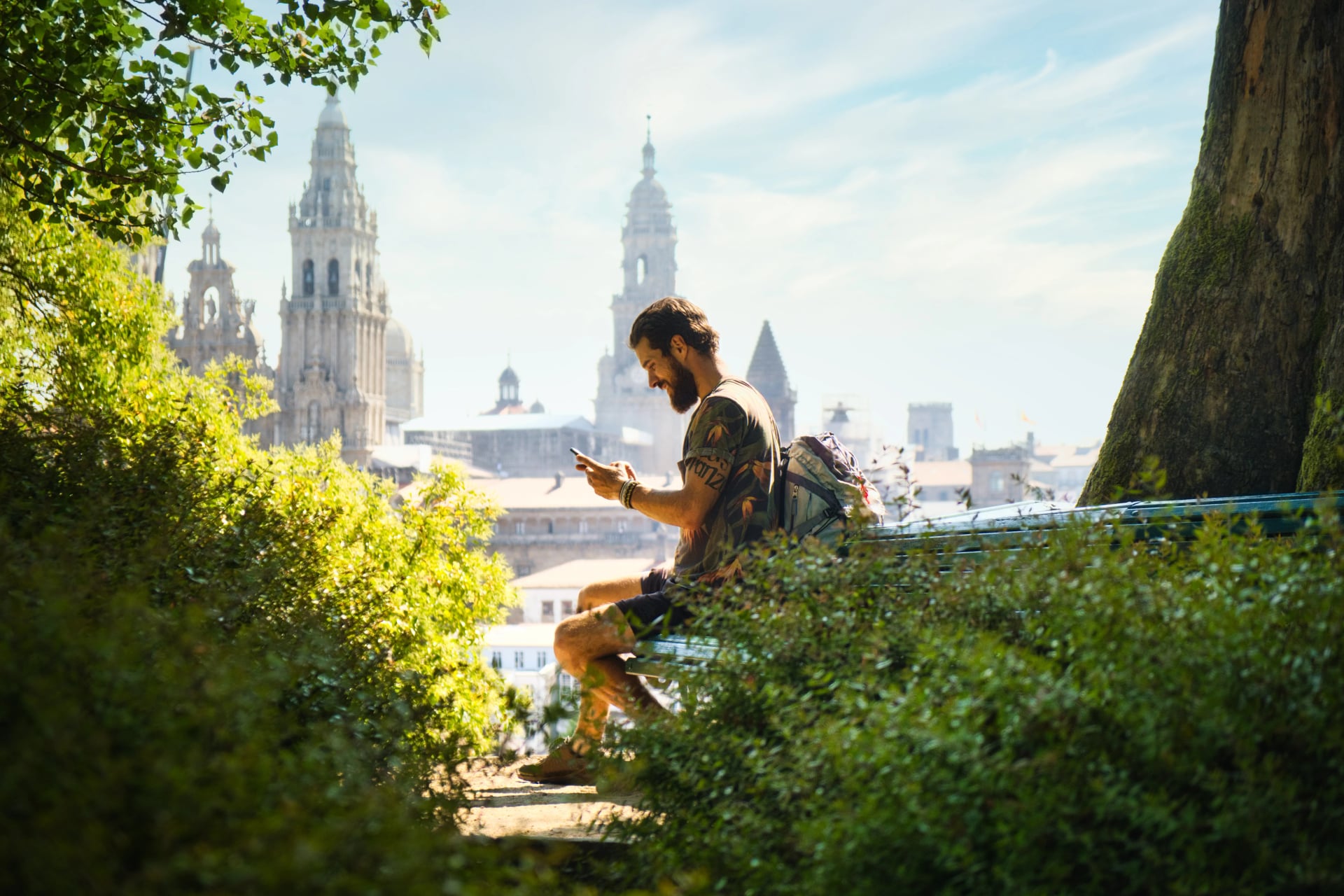
Camino apps: Buen Camino, Wise Pilgrim, and Camino Ninja apps provide offline accommodation listings, booking capabilities for some properties, and recent pilgrim reviews. Download before starting.
Guidebooks from our team: When booking a tour with us you receive a detailed guidebook to lead you from start to finish with a comprehensive packing list, places to rest, places to eat and much-much more. Inquire about our tours.
Fellow pilgrims: The best recommendations come from pilgrims a day or two ahead. Ask people you meet, "Where did you stay last night? Would you recommend it?" This real-time intelligence beats guidebooks published a year ago.
Guidance from Pilgrim Offices
Along every major Camino route, you'll encounter official pilgrim offices providing invaluable assistance beyond just stamping credentials. These offices offer accommodation information, current trail conditions, and answers to logistical questions.
The knowledgeable staff can direct you to recently opened albergues, warn about temporary closures, and provide phone numbers for booking ahead. For comprehensive information about pilgrim office locations, services offered, and how to make the most of these helpful resources, see our complete pilgrim offices guide covering every major route.
Making the Most of Your Camino Stays
Where you sleep shapes your pilgrimage experience far beyond just physical rest. Approaching accommodation as opportunity for connection, cultural immersion, and community building transforms lodging from logistics into meaningful experience.
Albergue Etiquette and Community Building
Respect quiet hours religiously: Nothing breeds resentment faster than loud conversations after 10pm or rustling plastic bags at 5am. The pilgrim community polices itself—be the considerate walker, not the oblivious jerk everyone complains about.
Participate in communal meals when offered: These shared dinners create bonds impossible to form otherwise. Even if you're tired or introverted, make the effort to sit with others, share food and wine, exchange stories. The people you meet at dinner tables often become lifelong friends and walking companions.
Introduce yourself genuinely: Learn names, ask about people's Camino motivations and home countries, share something real about yourself. Superficial small talk feels hollow after a few days—pilgrims crave meaningful connection and authentic exchange.
Offer to help: Assist with meal preparation or cleanup in communal kitchens, help struggling pilgrims with heavy packs, offer first-aid supplies or blister treatment knowledge, share food or local recommendations. The Camino runs on mutual support—contribute to the culture of generosity.
Write in guest books: Many albergues maintain journals where pilgrims leave notes, drawings, advice, and encouragement for future walkers. These books become archives of pilgrim wisdom and touching expressions of gratitude. Take a moment to contribute your own message.
Thank hospitaleros and volunteers: These people give their time, energy, and often money to maintain Camino hospitality. A sincere "gracias" and genuine appreciation matter more than you'd think. Some volunteers are former pilgrims paying forward the kindness they received; others are locals preserving their village's pilgrim tradition. All deserve recognition and gratitude.
Leave donations at donativos even on tight budgets: If you're genuinely broke and can only afford €3, leave it with sincere thanks. If you're comfortably middle-class and can spare €15-20, do so knowing you're subsidizing the broke university student sleeping in the next bunk. The system works because most pilgrims contribute honestly and generously.
Building Lasting Connections
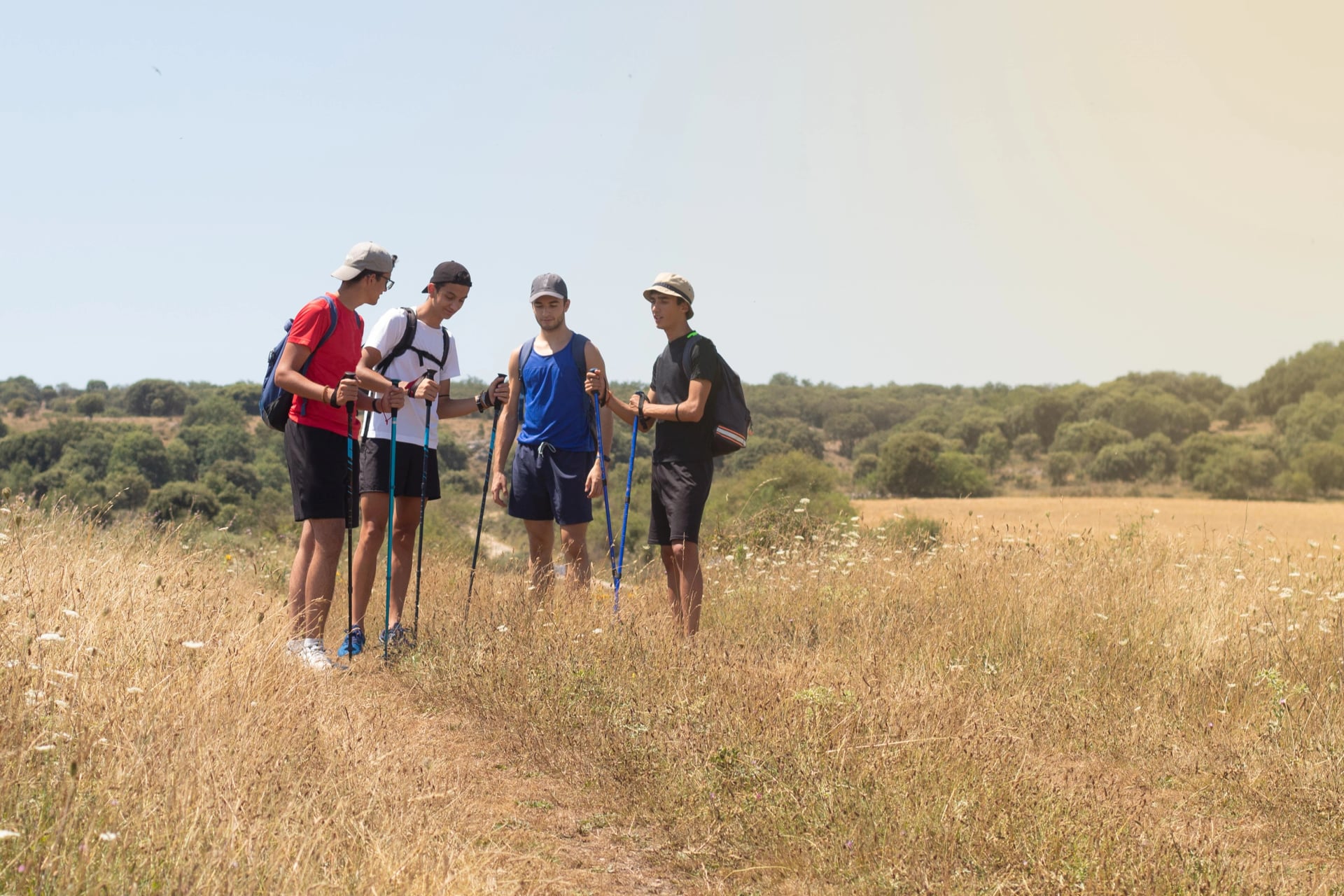
The Camino's magic lies not in the walking but in the people you meet along the way. Accommodation creates the context for these connections:
Share meals and wine freely: Spanish culture revolves around communal eating and drinking. Buy a bottle of Rioja at a local shop and share it with fellow pilgrims over dinner. Cooking together in albergue kitchens bonds people through collaborative effort and shared pleasure in simple meals.
Exchange contact information: At the end of your Camino, you'll wish you'd collected emails, phone numbers, or social media handles from meaningful connections. Don't assume you'll see them again in Santiago—capture contact information when you meet people you genuinely connect with.
Plan walking days together loosely: Some pilgrims become temporary Camino families, loosely coordinating their pace to ensure meeting at day's end. This provides companionship without the pressure of walking together constantly—everyone walks their own pace during the day, then reunites at the planned accommodation for evening community.
Create group chats: Many pilgrim groups form WhatsApp or Signal chats to stay in touch, share photos, and arrange future reunions. These digital connections often lead to real-world meetups months or years later when someone visits another person's country.
Strategic Rest Days
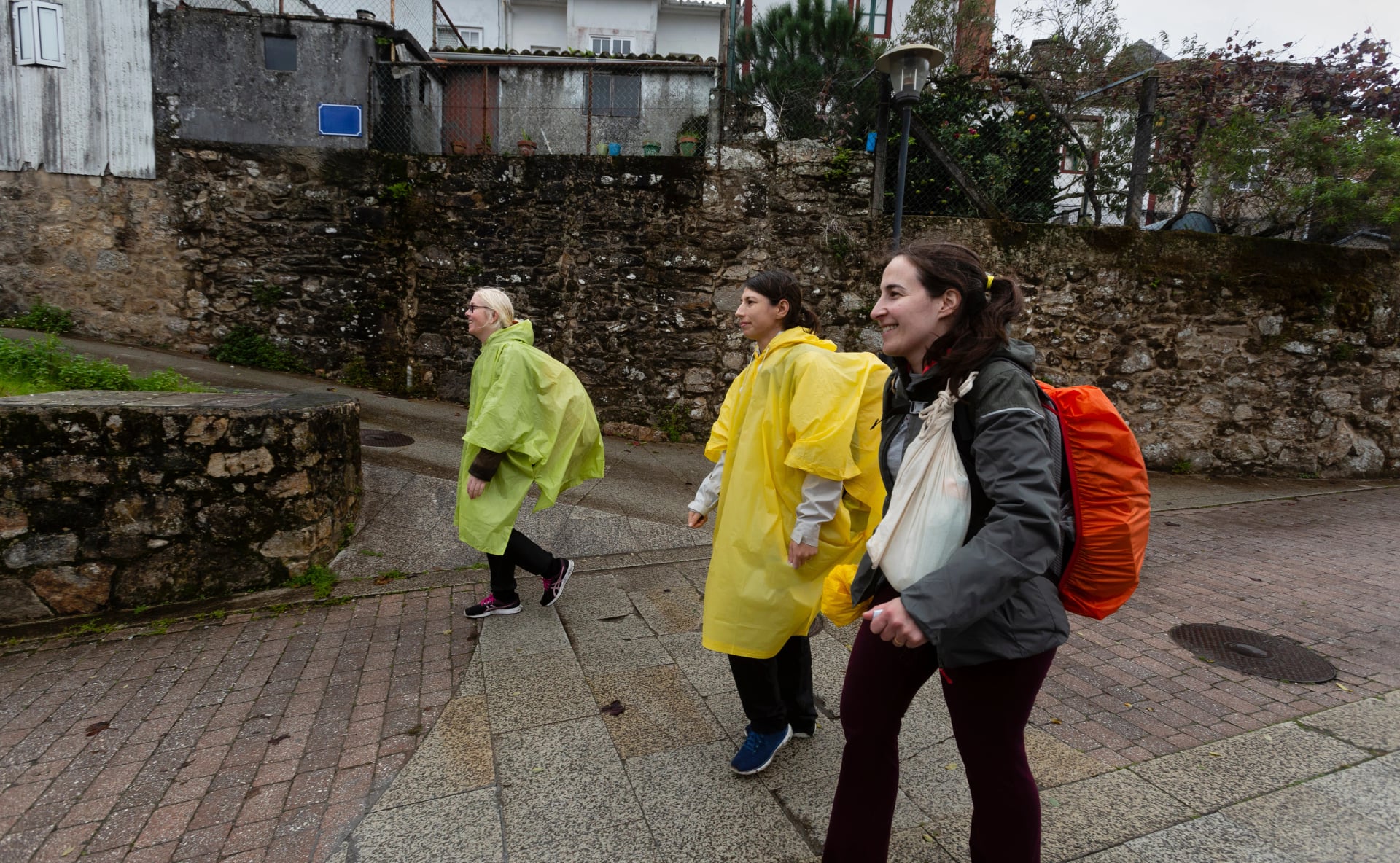
Schedule hotel nights in cities worth exploring: León's Gothic cathedral, Burgos's historic center, Porto's riverside district, Santiago's old town—these cities deserve more than arriving exhausted at 5pm and leaving at 7am the next morning. Book hotel rooms for rest days in major cities, sleep late, explore thoroughly, and use the break for laundry, gear repair, and mental recharging.
Use comfort strategically for recovery: If you're developing blisters, tendinitis, or exhaustion, a hotel night with proper bed, private bathroom, and good sleep can prevent minor issues from becoming Camino-ending injuries. View hotels as preventive medicine, not weakness.
Treat yourself at milestones: Crossing into Spain on the Portugués? Stay at Hotel San Benito in A Guarda. Finishing the Camino? Book San Martín Pinario's monastery in Santiago. Reaching halfway on the Francés? Splurge in León. These milestone celebrations create punctuation marks in your journey—moments to pause, reflect, and appreciate how far you've come.
Balance austerity with celebration: The Camino isn't about suffering for suffering's sake. Medieval pilgrims welcomed hospitality and comfort when offered; modern pilgrims should do the same. Balance simple donativo albergues with occasional comfort, creating a rhythm that sustains you physically and emotionally across weeks of walking. Incidentally, proper footwear prevents many comfort issues—blisters, foot pain, and injuries that might otherwise require recovery days. For comprehensive guidance on selecting, breaking in, and maintaining walking shoes or boots throughout your pilgrimage, see our complete footwear guide covering every aspect of Camino foot care.
Creating Lasting Memories
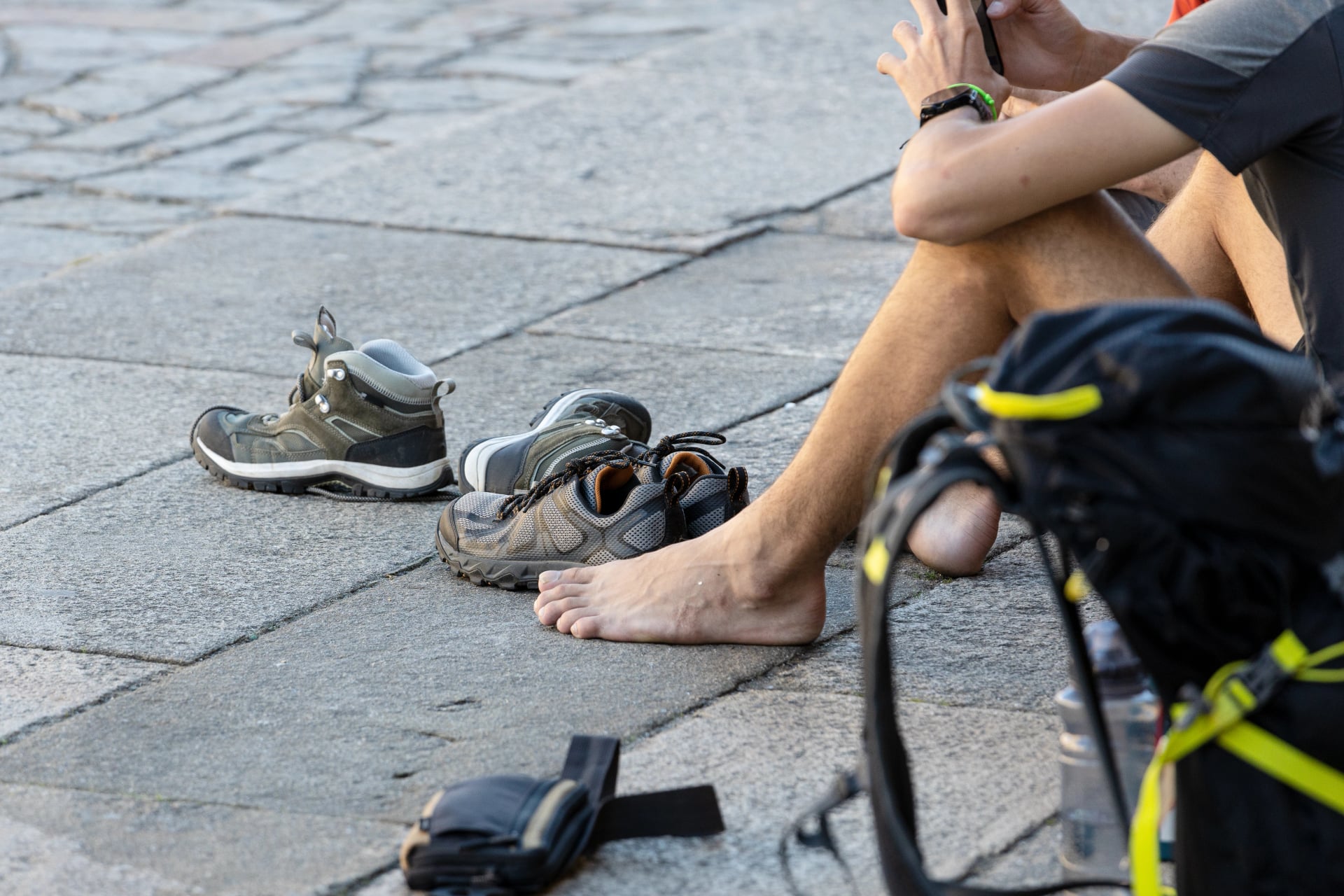
Years after the Camino, most pilgrims remember the people and shared moments in places they stayed more than Santiago itself—small acts of kindness, late-night conversations, and the odd misery of a bad mattress. Communal donativo dinners turn simple food and shared stories into fast, genuine connection, while nights in monasteries and historic buildings make the route feel linked to centuries of pilgrims before you. The richest experience usually comes from mixing styles—community and solitude, rough and comfortable, budget stays and an occasional splurge—so each choice sharpens appreciation for the next.
Your Home on the Road
Ready to start planning your Camino accommodation strategy? Our team of specialists can help you find the right balance of shelter, community, and comfort for your unique journey to Santiago. Book a free consultation with our Camino experts. Buen Camino!


HASSLE-FREE
We handle itineraries, accommodations, and anything else you prefer not to deal with, so you can enjoy a carefree hike.
.svg)
TRIED & TESTED ADVENTURES
Only the best of Camino de Santiago, cherry-picked by our local team with an in-depth knowledge of the region.

SELF-GUIDED TRAVEL
Explore independently and with confidence while we keep everything running from behind the scenes.
.svg)
TRUSTED BY MANY
Since 2014, we have taken care of thousands of happy customers, making it our mission to put your satisfaction first.